Somoza Tried to Pay the Victims Back. The Justice Department Stopped Him.
Defendant spent 327 days in solitary, while the FBI handed his computers away
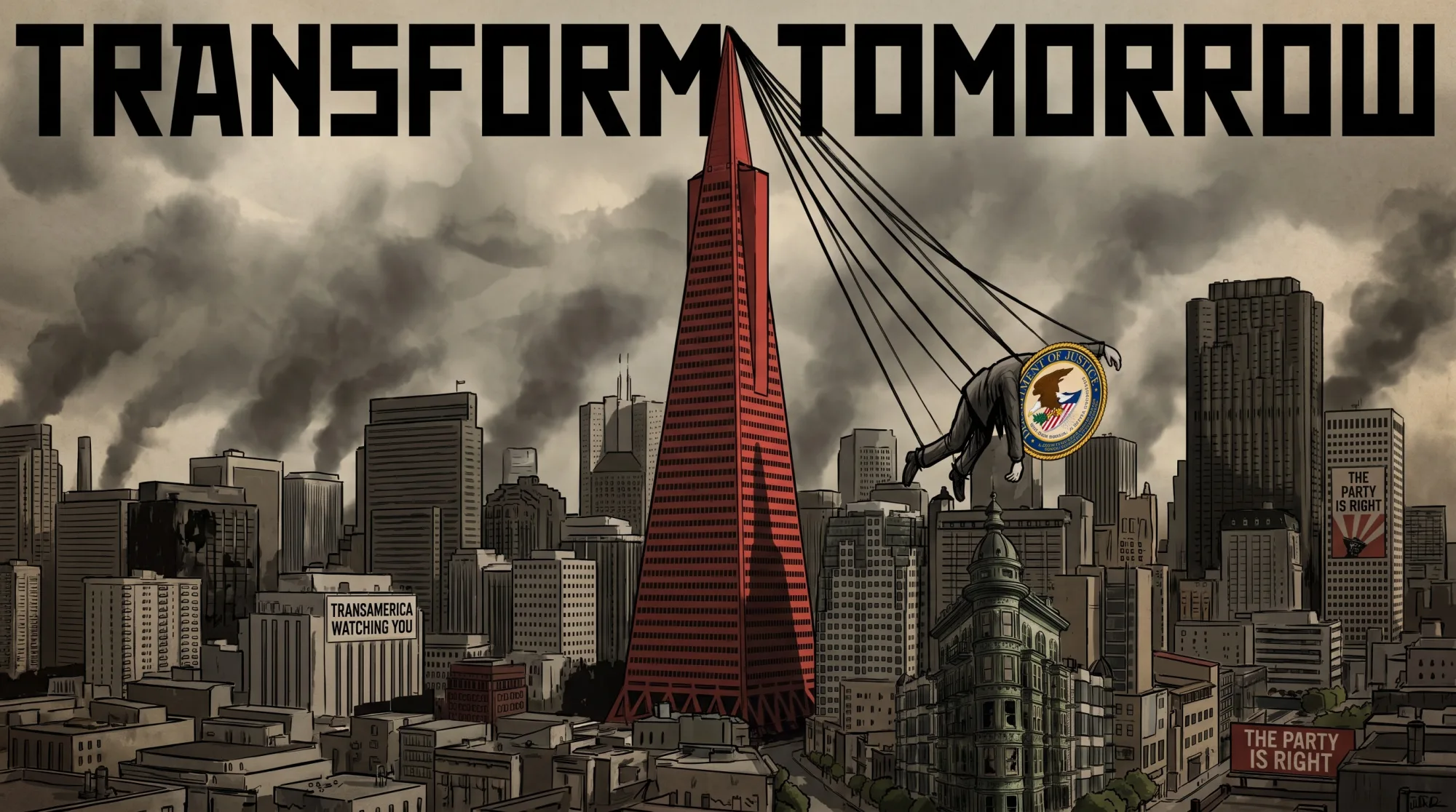
IN THE LAST PART
To wit: SOMOZA OUTSMARTED TRANSAMERICA. THE DOJ MADE HIM PAY FOR IT.
In 2003, Rev. J. Benjamin Hardwick went to Curtis Somoza.
He wanted burial insurance for poor people in his South Los Angeles church.
Somoza spent 600 hours building a mortality model. He thought Transamerica's numbers were wrong. Somoza found more than 50 investors who would fund the policies for a return on their investment.
Transamerica expected 1.6 deaths in the first year among about 1,200 mostly Black insureds.
Somoza expected 8.3.
By his account, the first death came in 48 hours. Five died in five months. None was over 50.
Before Transamerica stopped accepting new insureds from the church, the program had insured some 2,500 poor people, most of them Black.
The poor got free insurance. The church got paid. The families got paid. Twenty years later, the living policies are still in force.
The investors would have got paid too, but for what on the surface looks like bad faith by Transamerica.
When Transamerica found out Somoza had outsmarted it, the company did not pay the claims on schedule.
It invoked the contestability period, placed about $3.6 million with a federal court, and left the claimants to litigate over the money.
The resulting delay meant investors were not paid when expected.
The federal government then stepped in and treated that delay as evidence of Somoza's fraud.
The Justice Department shut the program down and counted what the investors had not been paid as their loss.
Then it called Somoza's investors his victims.
That inversion is where this installment begins.
2005: THE BANKRUPTCY
The life insurance plan with Reverend Hardwick's church was not Curt Somoza's only business endeavor. He was a tech man, a venture capitalist, an adventurer in new technology and new ideas. He won big sometimes. Sometimes he lost.
In 2005, Somoza was illiquid. He had just spent $1.4 million on lawyers fighting a civil case over another venture.
On October 5, 2005, one of his tech companies, Convoii, Inc., filed for Chapter 7 bankruptcy.
Then things got worse.
ARREST AND SEIZURE
At 7 am on May 16, 2006, the FBI came to Somoza's Beverly Hills home and arrested him on fraud charges that included the church life insurance plan.
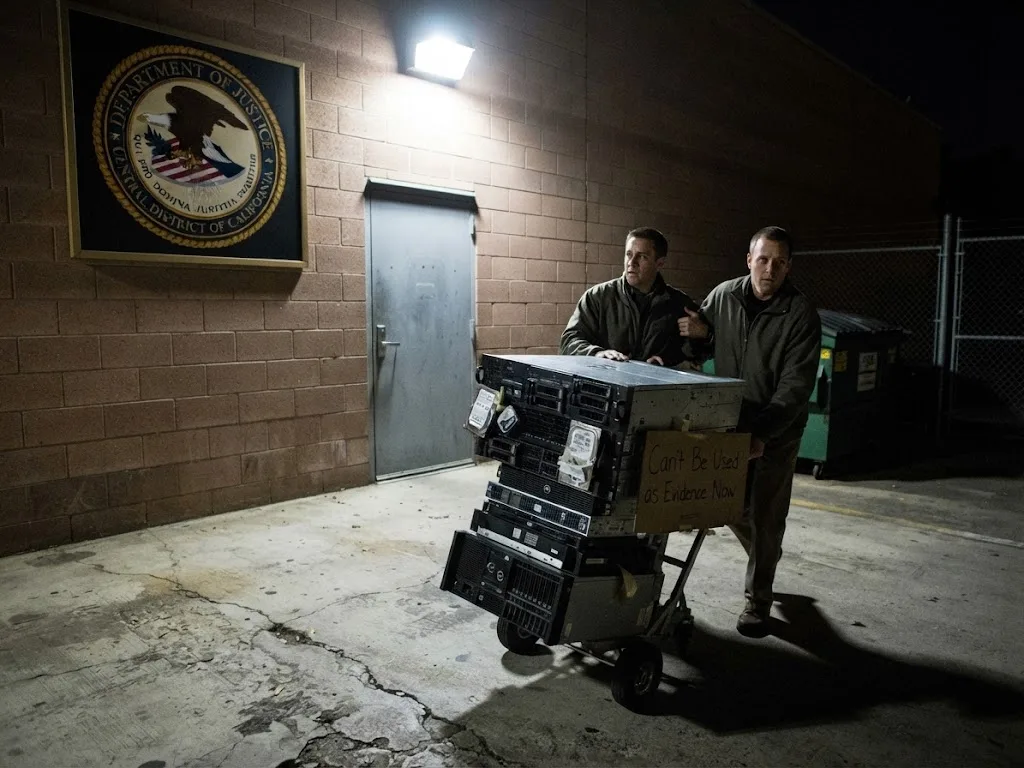
FBI agents took his computers, recording serial numbers and model numbers.
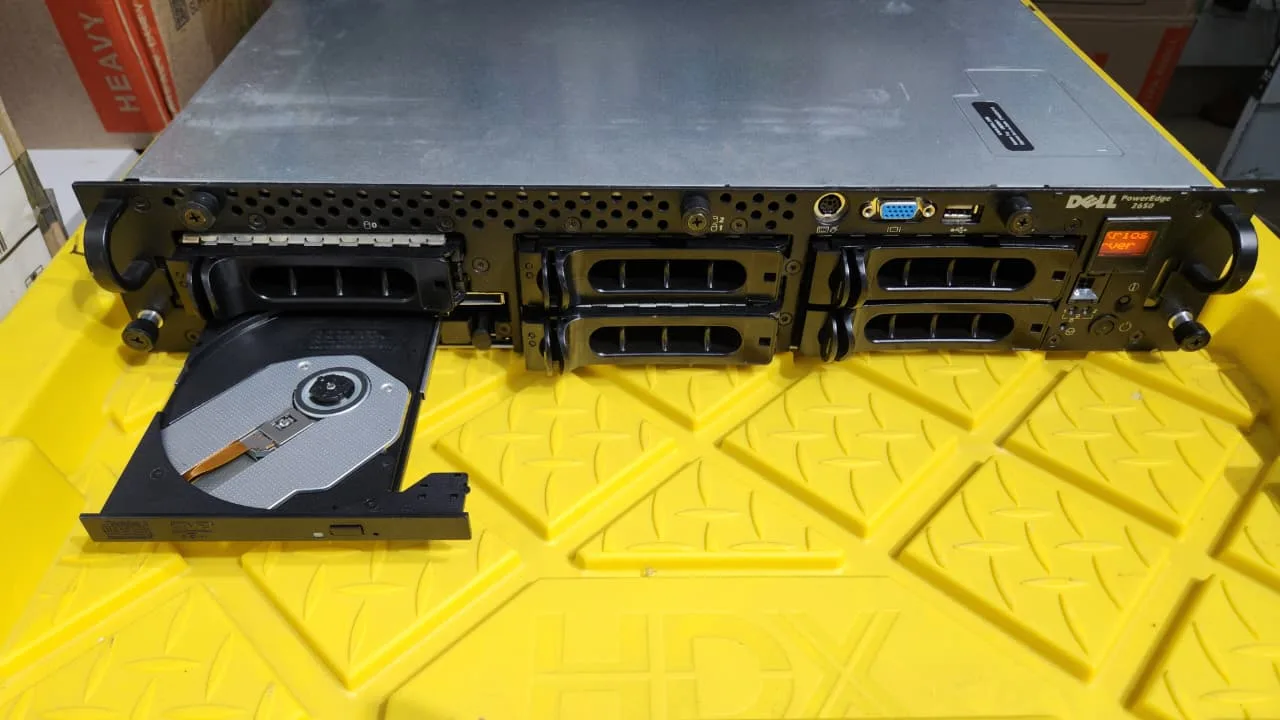
They took Sun Microsystems servers, Dell servers and workstations, a disk array, a tape library, and a cryptographic device. Agents even took a cable and his battery backup.
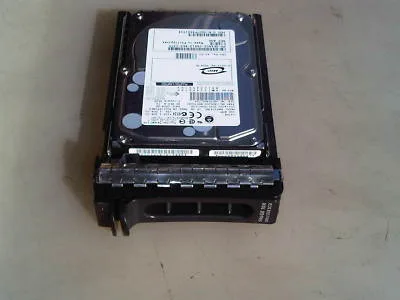
Inside the computers were 14 small removable hard drives. The agents pulled them out, tagged each one, and wrote down every serial number. They took those too.
Somoza spent two weeks in custody. Then he posted bond and went on home confinement.
THE SALE
His alleged crime was defrauding the investors who financed the group policies. The policies remained in force.
His victims, according to the government, were the investors, so in November 2006, Somoza went looking for a buyer. If Somoza could sell the group policies, the investors could get their money back.
He found a group of investors, according to Somoza, who offered $35 million. With the sale, the original investors would get their money back with a slight profit.
The policies would remain in force. The church and the insured would still reap the benefits of the group life insurance.
There would be no victims.
TAKE HIM OFF THE STREET
In the spring of 2007, Somoza's sale of the life insurance pool was about to close.
About a week before the scheduled closing, the government moved to revoke Somoza's bond and put him in jail. They said Somoza had violated his release conditions by soliciting investors.
He was prohibited from raising funds, and prosecutors said that was what he had done.
Somoza said he was not raising money. He was selling an existing asset.
The judge sided with the government and revoked the bond. The sale did not close.
Prosecutors could now argue that the investors' money was really gone. Whatever the government's motive, the practical result was that the proposed repayment disappeared with the sale.
He was days away from a sale that would have repaid everyone. With Somoza in jail, the deal fell apart.
THEY PUT HIM IN THE HOLE
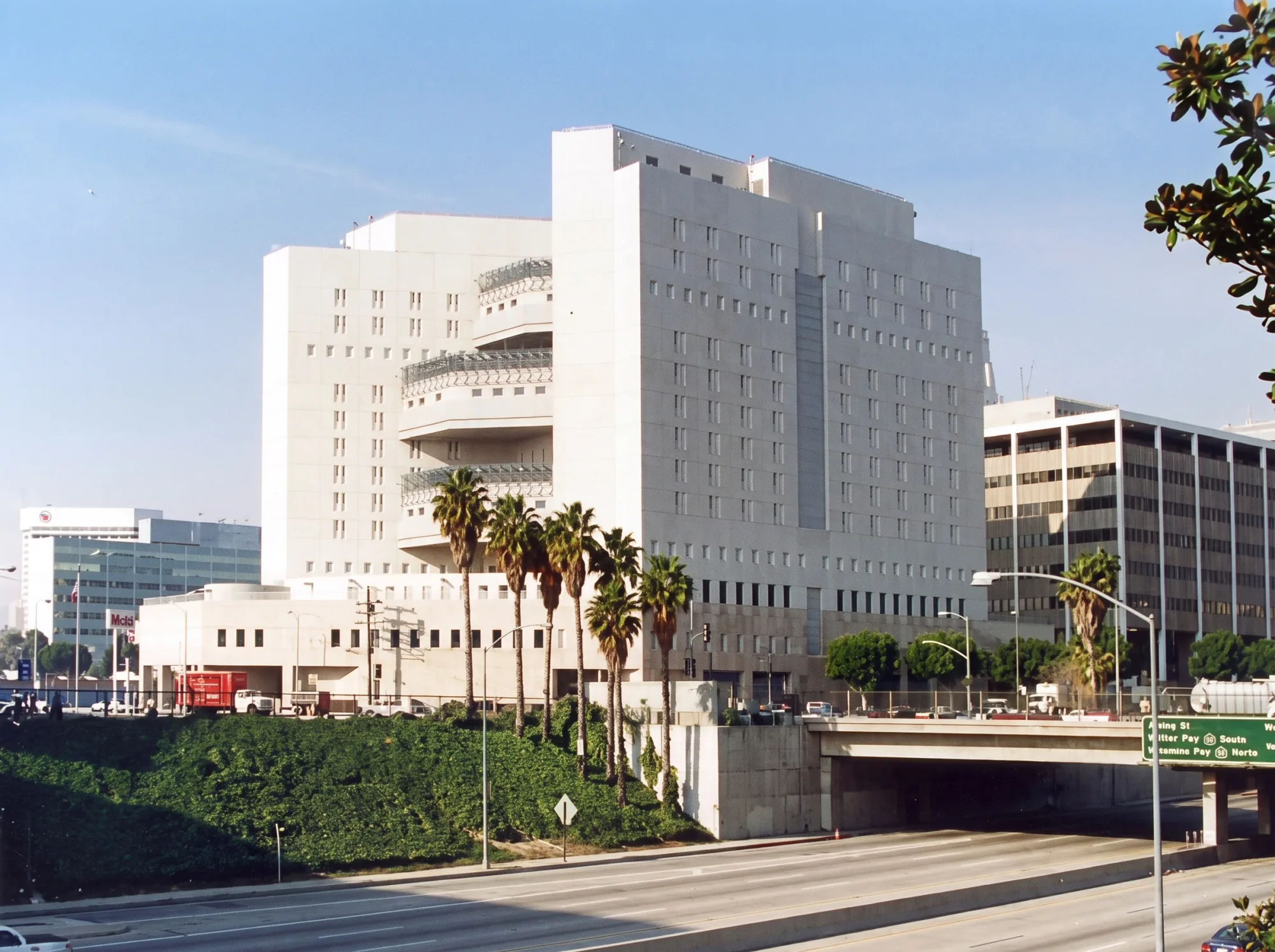
At the Metropolitan Detention Center, they didn't put him in general population, where he could have regular access to telephones. He might have saved the deal and ended the loss for any investor.
MDC Los Angeles placed him in the Special Housing Unit — the hole. He went in that April of 2007.
Federal detainees generally get there in two ways. One is discipline, which requires an incident report and a hearing. The other is administrative detention, which requires a written order signed by a lieutenant or the warden's designee and periodic review. Both produce paperwork.
Somoza says he was never charged with an infraction and never given a reason. To date, no one at MDC or the Bureau of Prisons has produced a document showing otherwise.
In the SHU, his telephone access dropped to one call per week.
He says he stayed there 327 days.
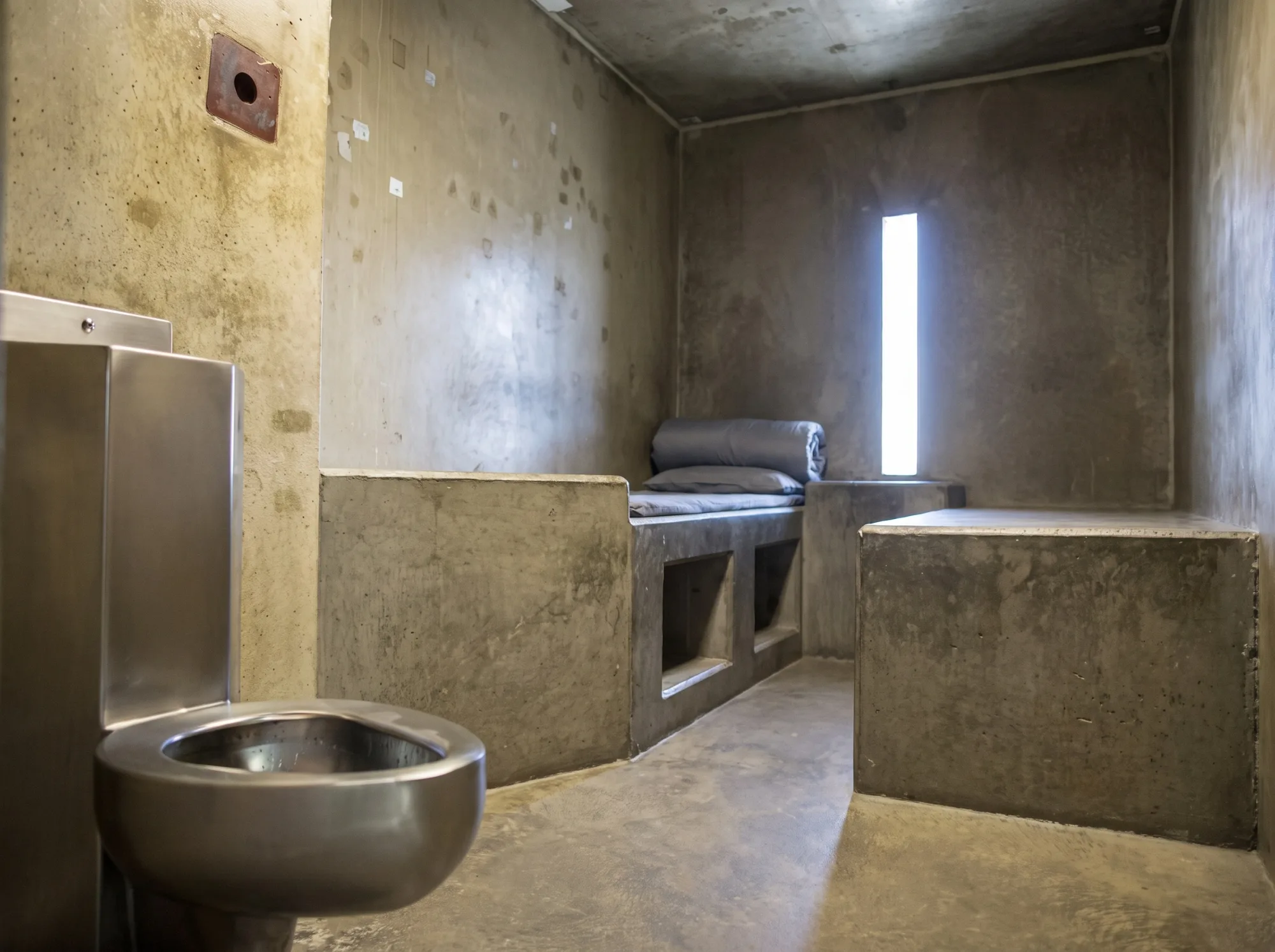
WHAT THE HOLE COSTS
In the hole, you cannot close a $35 million deal. You cannot pick up the phone and call the buyer. You cannot sign the papers. Your lawyer cannot reach you when he needs an answer.
Your lawyer cannot reach you to prepare your defense either.
The SHU is one of the harshest, most painful forms of human punishment. It limits contact with the outside world to a degree that is remarkably isolating. Human rights organizations have called it a form of torture.
Those 327 days ran through the months he should have been preparing for trial.
We cannot know the motive, but suffice it to say that the Metropolitan Detention Center in Los Angeles is run by the Bureau of Prisons, a division of the Department of Justice, the same department as the prosecutors seeking his conviction.
That does not establish why he was placed in the SHU. It merely shows who controlled the institution where he was held. The same people who wanted him to lose at trial.
WHILE HE WAS IN THERE
On May 15, 2007 — while Somoza sat in the SHU — the FBI handed his computers to the Convoii bankruptcy trustee. Somoza says those computers held the evidence of what really happened with Transamerica.
No one can say now whether he is right, and that is the injury.
The Justice Department had already taken the action that caused the sale that would have ended the investors' losses to implode.
The loss figure was the backbone of the government's case. It is what turned a disputed business deal into a 25-year sentence. Then they put him in the hole. And while he was in there, the computer evidence went out the door.
YES, THIS IS AMERICA
If you think this is fair play, you don't need to read the rest of this series.
This is the story of Curtis Somoza, a man whose crime, according to the case I will lay out, began with a business model that outperformed Transamerica's assumptions.
Transamerica is the one that didn't pay. The government called the unpaid investors Somoza's victims. And when he moved to end their loss, it locked him up, and the deal died.
Whatever the government's purpose, that sequence is documented: the proposed sale was approaching closing, his bond was revoked, and the sale did not close.
In our next part, we will see how they handled the computer evidence that might have shown it was Transamerica, not Somoza, who violated the deal — an indirect and very effective way of putting evidence permanently beyond a defendant's reach, without anyone ever having to destroy it.
And to be clear: this is not Somoza destroying evidence. This is our government.
And if this is ture, then the Department of Justice created all the victims, not Somoza.
SOMOZA'S PUNISHMENT
Before you read further, you should know how this ended. Somoza lost. He was sentenced to 25 years. He went into custody in April 2007 and remained in federal custody until 2020, when the Bureau of Prisons transferred him to home confinement. President Biden commuted the remainder of his confinement in December 2024. His supervised release and his restitution obligation remain in force to this day.
In our next part, we come to the crux of the Justice Department's conduct or misconduct in question. How computer evidence seized from Somoza's home, held in the evidence room of the FBI, left that evidence room and went into the hands of a bankruptcy trustee, and from there a private buyer — while the criminal case was pending, and over a written objection from his lawyer. With those computers went, Somoza says, the vital evidence that would have proven his innocence.
We cannot say, because the computers are gone, that it would have exonerated Somoza. That is the point.
No one can say what was on them, and no one ever will.
What we can show, from the government's own documents and its own admissions, is that computers seized from Somoza's house left the FBI's custody, that they were handed to a private party in the middle of his prosecution, and that the government's explanations for how it happened do not agree with one another.
He never got to examine them. He pleaded guilty during jury selection, and by then the machines had been gone for seventeen months.
ARTVOICE ART