
By Frank Parlato
(This is Part 2 of a series. Read Part 1 here.)
The federal bribery case against Oakland’s former mayor rests entirely on one man: cooperating witness Mario Juarez. His testimony bought him immunity. This is his history.
The Witness
He became a cooperating witness in a case alleging $170,000 in bribes were paid. Mario Roberto Juarez (called CoConpsirator #1) is mentioned 76 times in the indictment.
To understand why this matters, you need to understand who Mario Roberto Juarez is. He is present in every meeting prosecutors describe. He appears in every text message they quote and every discussion about payments and terms. He is the whole, the sole source for anything in the case against David and Andy Duong, and former Mayor Sheng Thao and her boyfriend, Andre Jones.
The government has pinned their hopes on his good word alone. There are no secret recordings, no confessions.
Mario Roberto Jaurez is the government’s case. And he has a track record, too, by which a jury may measure his word. It is a long, well-documented history of doing business in the Oakland area. He is no stranger to litigation, both civil and criminal.
Alameda County Superior Court records list 33 civil lawsuits involving Juarez between 1992 and 2024. In many of these cases, Juarez enters a business relationship. Money changes hands – with the flow always going to Jaurez as loans, investments, or advance payment for services.
The people who pay him later sue him, claiming the promised work was not delivered. Juarez responds with allegations of his own. Many of the cases end in judgments, which are worthless since he does not pay them. Some he discharges by bankruptcy.
The Biodiesel Project (2008)
In 2008, Mauro and Hilda Bucio loaned Juarez $210,000 for a biodiesel fuel project. When the Bucios demanded repayment, Juarez sought a restraining order against him, alleging Bucio had threatened him, pointing fingers “as if he were going to shoot.”
The Bucios obtained a judgment of $338,040 against Juarez, which he never paid.
The Landlord Dispute
In 2010, Juarez’s landlord sued him for fraud and trespassing. The landlord alleged that Juarez had illegally constructed a high-end residence within commercial property and failed to pay rent.
During the litigation, the landlord’s attorney, Sandra Raye Mitchell, filed a declaration stating that Juarez had pushed her, struck her in the face, and torn her clothing.
Juarez responded by seeking a restraining order against Mitchell, alleging that she had assaulted him by punching him in the head.
To explain her injuries, Juarez claimed that Mitchell had ripped her own clothes and struck herself while yelling into her phone that Juarez had attacked her.
A judge issued an injunction against Juarez. The landlord obtained a judgment against him for $268,000 for unpaid rent and damages.
The City of Oakland Contract
In 2002, the City of Oakland hired Juarez to collect unpaid city debts. Under the contract, Juarez would retain forty-nine percent of the amount he collected.
By 2004, city attorneys alleged that Juarez failed to accurately report amounts collected and kept more than his share.
City attorney John Russo filed suit. The complaint alleged that Jaurez destroyed his records. Juarez settled the case in 2007, paying the City $31,942.
The Real Estate License Surrender
In December 2012, Juarez was hired as a leasing agent for a commercial landlord. His task was to find a tenant and collect the first month’s rent and a security deposit. The rent was $3,500 per month. The security deposit was seven thousand dollars.
Juarez would keep the first month’s rent as his commission.
He found a tenant who planned to cultivate cannabis in the building. Juarez created two lease agreements. One version, provided to the landlord, listed a rent of $3,500 and a security deposit of $7,000. The second version, signed by the tenant, listed the same rent, but a security deposit of $21,000, and a broker commission of $10,000. The tenant paid thirty-one thousand dollars.
Juarez gave the landlord seven thousand dollars. He kept the remainder.
The California Department of Real Estate investigated the transaction. In 2015, Juarez surrendered his real estate license.
The Alameda County District Attorney charged him with felony grand theft and forgery. The forgery charge was dismissed. The grand theft charge was reduced to a misdemeanor. Juarez entered a no-contest plea and received deferred entry of judgment.
His criminal record remained clean. Two years later, he donated $5,000 to District Attorney Nancy O’Malley’s reelection campaign.
The Duongs and Juarez
In May 2024, after the Duongs cut off further funding, Juarez contacted federal authorities. He alleged that the Duongs bribed Oakland’s mayor.

He is the cooperating witness named throughout the indictment. The federal indictment alleges that the first installment of a bribery scheme occurred before the November 2022 mayoral election, when $75,000 was allegedly paid to fund negative mailers attacking Sheng Thao’s opponents.
In late October 2022, just days before Oakland’s mayoral election, Mario Juarez hired Butterfly Direct Marketing to print and mail 120,000 negative campaign mailers targeting Sheng Thao’s primary opponents, Loren Taylor and Ignacio De La Fuente.
The costs of printing, postage, and distribution were advanced by Samari Johnson, the owner of Butterfly Direct Marketing, on the basis of Juarez’s assurances that payment would follow. On October 17, 2022, Juarez issued checks totaling $53,000.

Bouncing Alleged Bribe Checks
Before the checks cleared, Juarez transferred more than $30,000 from his business account to a bank account he shared with his teenage daughter, which he identified as her high school account. After the transfer, Juarez left $215 in his business account.
The checks to the printer were returned unpaid.
Johnson filed a criminal complaint.
On January 23, 2024, the Alameda County District Attorney charged Mario Juarez with felony bad-check fraud.
The federal indictment against Thao, Jones, and the Duongs alleges that the first installment of the bribe involved $75,000 for campaign mailers.
The federal indictment states:
“On or about October 17, 2022, a $75,000 check from [Recycling Company] was deposited into Co-Conspirator 1’s bank account to pay for the mailers.”
This may be technically accurate. But the indictment doesn’t mention what happened next. It doesn’t mention the $30,000 transfer to his daughter’s account. It doesn’t mention the bounced checks. It doesn’t mention that no one ever paid the printer.
Duong paid Jaurez close to one million dollars to build 50 homeless housing units. Jaurez took the money for 50 units but only built two units. He kept the rest.

FBI Absolves Juarez
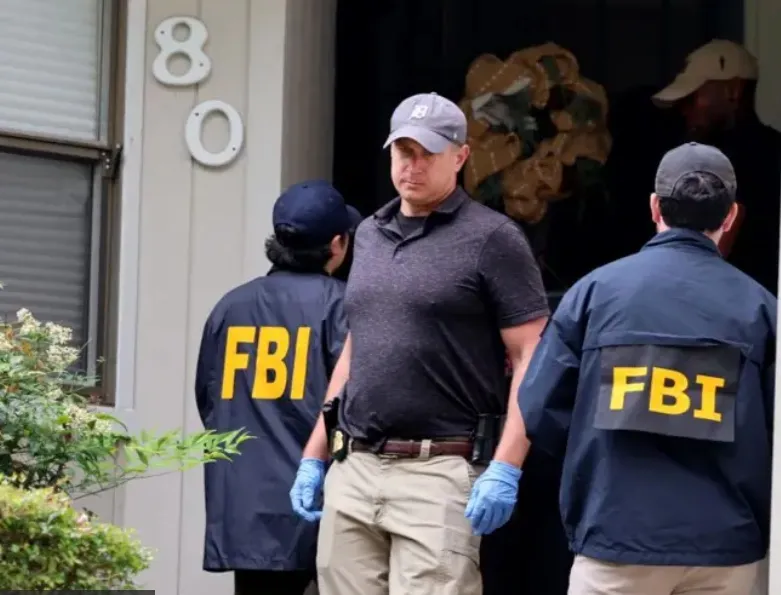
After his fight over money with the Duongs, Juarez went to the federal authorities. This was his old gambit. Usually, judges and prosecutors did not believe his stories and he wound up with judgments. This time, he finally found someone who wanted to believe his story. The FBI.

Juarez said the money he received was to bribe the mayor for himself and Duongs. He said the mailers were part of the bribe.
After the federal indictment of Thao and the Duongs, the Alameda County District Attorney moved to dismiss the felony fraud charges against Juarez. Samari Johnson submitted a letter to the court asking the judge not to dismiss the case against Juarez.
“This case is of significant importance to me and my small business,” Johnson wrote. “Dismissing the case would allow a criminal to avoid accountability for his actions.”
The judge dismissed the case.
Johnson later said the business continued to suffer from the $53,000 loss. Johnson said Juarez made violent threats after the police report was filed.
After the dismissal, Juarez issued a public statement.
“It is not just a legal victory,” he wrote. “It is a victory for truth, fairness, and the resilience of the human spirit against corruption and abuse of power.”
The man who bounced $53,000 in checks declared victory over corruption.
Not only did Juarez avoid paying back the printer and potentially serving time, but he was also under investigation for mortgage fraud, an investigation that ended with his cooperation. All told, the crimes Juarez avoided by cooperating totaled $5.3 million—thirty-one times larger than the total alleged bribes of $170,000, including an alleged $75,000 that was supposedly paid to the printer for mailers.
The bounced-check mailer campaign remains the first alleged bribe in the case.
Jaurez remains the federal government’s key witness.
In our next post in this series, we will examine the rest of the alleged bribe.