
How a $1.6 billion telescope program turned ‘city-killer’ asteroids into this week’s scariest headline
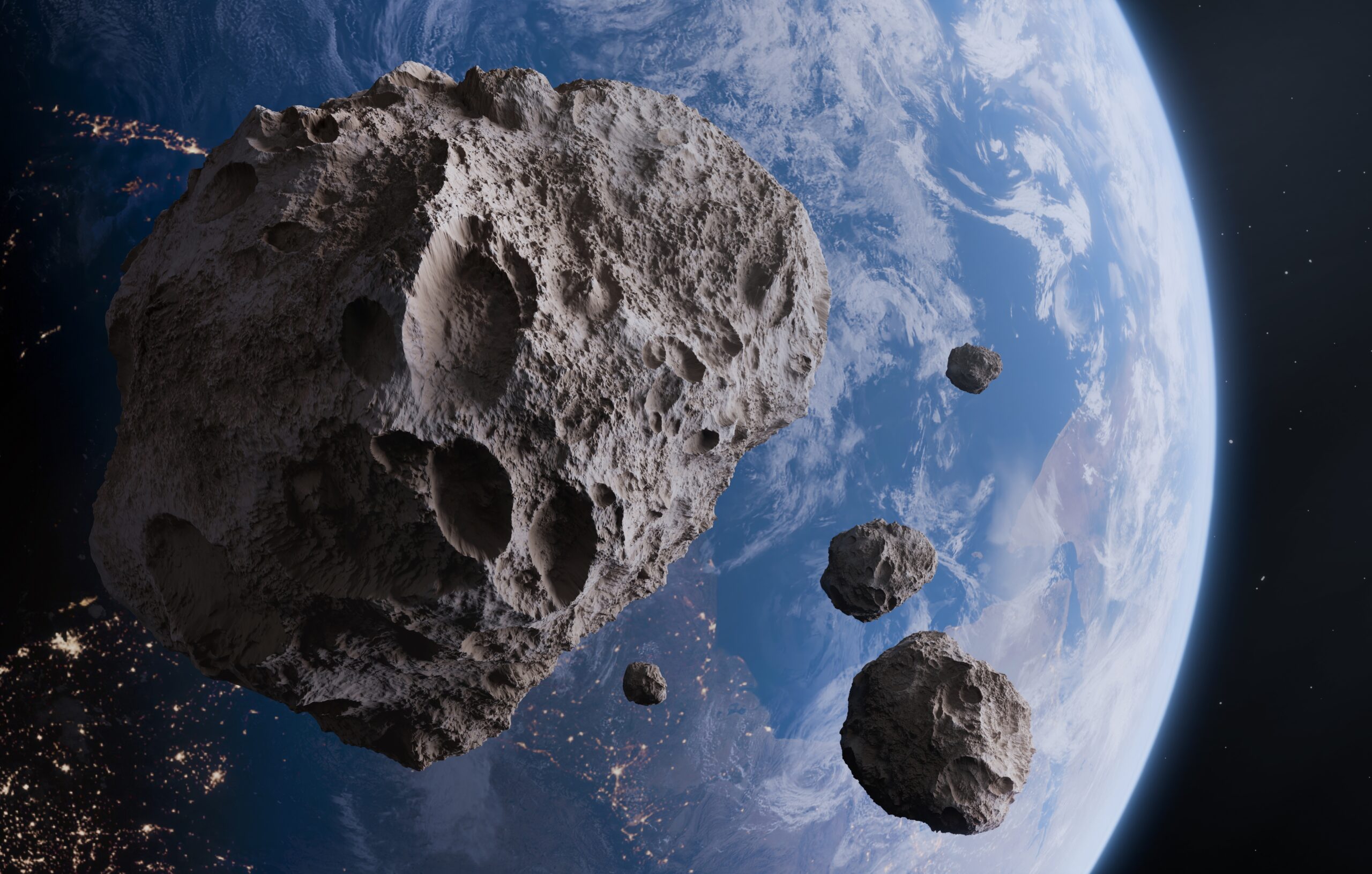
If you woke up this morning and checked the news, you might think Earth is suddenly under siege. “NASA scientist warns there’s no way to stop thousands of city-killing asteroids,” wrote the New York Post. Similar headlines blanketed Google News, each one quoting NASA planetary defense officer Kelly Fast and her latest “confession” about what “keeps me up at night.”
The asteroids she’s talking about have been out there for 4.6 billion years. They were there last Tuesday. They were there during the Obama administration. They were there when your grandmother was born, and even long before. Nothing changed about the asteroid threat between last week and this week.
What changed is the budget calendar.
The Near-Death Experience
To understand why NASA scientists are suddenly giving terrifying quotes to reporters across the media landscape, you need to understand what happened over the past year.
In May 2025, the White House proposed a 25% cut to NASA’s overall budget, which goes down as the largest single-year reduction in the agency’s history. The Science Mission Directorate, which houses planetary defense, was targeted for a staggering 47% cut. The Planetary Society, a major space advocacy organization, called the cuts an “existential threat.”
Among the programs on the chopping block: the Near-Earth Object Surveyor, a space-based infrared telescope designed to find exactly the kind of asteroids Fast is now warning about. That telescope, the centerpiece of NASA’s plan to locate those 25,000 untracked “city killers,” had already ballooned from a $1 billion project to $1.6 billion and been delayed from a 2026 launch to sometime in 2027 or 2028, according to a NASA Inspector General report published last year.
A massive grassroots campaign called “Save NASA Science” mobilized advocates from across the country. The Planetary Society led a lobbying blitz in Washington. Congress, in a rare bipartisan move, rejected the bulk of the proposed cuts in January 2026, restoring near-full funding. The NEO Surveyor got its $300 million. NASA science survived.
Barely.
The Next Round
Here’s where the timing gets interesting.
The FY2027 budget request from the Trump administration is expected to drop in February or March 2026 — meaning any day now. NASA Administrator Jared Isaacman is expected to testify before the House and Senate Appropriations Committees about the new proposals.
And so, right on cue, Kelly Fast appeared at the American Association for the Advancement of Science conference in Phoenix, Arizona — this week — to deliver quotable, alarming warnings about humanity’s defenselessness against undetected asteroids.
Planetary defense officials have been warning about funding gaps for years, and the AAAS conference is an annual event, but the emphasis this week was notably on preparedness gaps rather than new scientific discoveries.
Nancy Chabot, who led the 2022 DART asteroid deflection mission for Johns Hopkins, chimed in with the perfect complement: “We don’t have another DART just lying around.”
Translation: fund us to build one.
Chabot went further, saying space agencies “lack the funding to keep planetary defenses on standby.” She added: “We could be prepared for this threat. We could be in very good shape. We need to take those steps to do it.”
That reads less like a research update and more like a funding appeal, delivered through the media instead of a congressional hearing room.
What the Post Didn’t Tell You About “City Killer” Asteroids
The New York Post, in its characteristic fashion, ran the asteroid scare as straight news. So did dozens of other outlets. Asteroids trending on Google News. City killers. Humanity defenseless. Not one of these stories mentioned the budget fight.
Not one mentioned that NASA science was nearly gutted eight months ago.
Not one mentioned that the FY2027 request is imminent, and these scientists have every institutional incentive to keep the fear alive so Congress doesn’t try to slash their funding again.
Not one mentioned the NEO Surveyor’s cost overruns or the Inspector General’s findings about “inadequate management structure and resources” within the planetary defense program.
The media, credulous as ever, served as NASA’s unpaid public relations department, converting budget advocacy into apocalyptic headlines.
The Asteroids Are Real — The Panic Is Convenient
Let me be clear: the asteroid threat is real. There are indeed thousands of untracked objects that could cause serious regional damage. The science on this is sound and has been for decades.
But the 25,000 untracked asteroids that were out there last month are the same 25,000 untracked asteroids out there today. Nothing about the threat changed this week. The only thing that changed is that NASA needs Congress to keep writing checks, and scary headlines are the most effective lobbying tool ever invented.
The real story isn’t in the sky. It’s in the budget. A $1.6 billion telescope program that’s over budget and behind schedule needs continued political support. A planetary defense office that nearly got defunded needs to make sure it doesn’t happen again. And a handful of scientists who’ve learned that the media will print anything with the word “asteroid” in it are playing the game with skill.
Follow the money. It’s never failed me yet.
The next time you see a headline about asteroids keeping NASA scientists up at night, ask yourself: when is the next budget vote? You’ll find your answer.