US Phase 2 Trial Begins for Syncromune’s Dr. Jason Williams Prostate Cancer Therapy
May 2, 2026
Featured·Health
By Frank Parlato
He Took It to Mexico. Now It’s Back in the U.S.
A Phase 2 clinical trial has begun enrolling patients in the United States for an experimental immunotherapy designed to treat metastatic prostate cancer, according to its developer, Syncromune, Inc.
The trial would test an idea both simple and unsettling: freeze part of the tumor, then poison it from within by injecting four immune-activating drugs into it. The rationale is that freezing a tumor section ruptures cancer cells, releasing antigens that alert the immune system to the presence of cancer. Injecting immune-activating drugs directly into this disrupted area is intended to jump-start and amplify the immune response, encouraging the body to attack not only the treated tumor, but also any cancer elsewhere in the body. In theory, the two actions together may create a synergistic effect, turning an immunologically “cold” tumor into a highly visible target for destruction.
The drugs do not travel through the bloodstream. They go straight into the tumor.
The U.S. Food and Drug Administration granted the therapy Fast Track designation in July 2024, a status intended to expedite the development of drugs that address serious conditions and unmet medical needs.
The announcement didn’t make headlines, but it should have.
Somewhere in America, a man sits in a chair and hears words he does not want to hear.
Metastatic.
And now, there is this small, almost improbable thing: a trial beginning.
If it works, it could change the way metastatic prostate cancer is treated. Not managed — treated.
They call it SYNC-T Therapy SV-102.
The Trial
The Phase 2 trial, known as LEGION-100, is enrolling patients at the Michigan Institute of Urology, the University of Pittsburgh Medical Center, the University of Arizona Cancer Center, and the Lankenau Institute for Medical Research outside Philadelphia.
The study is registered on ClinicalTrials.gov under the identifier NCT06533644.
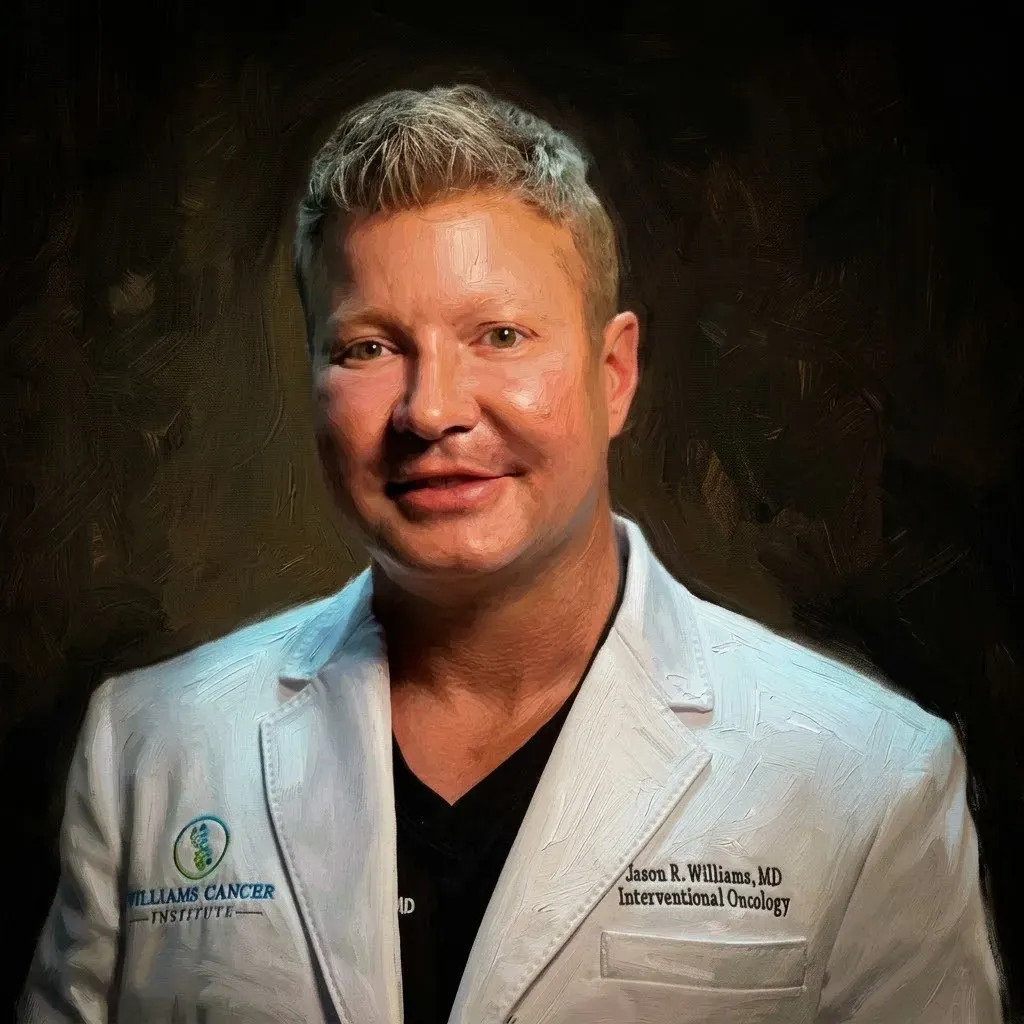
The Phase 1 trial that led to the larger-scale Phase 2 was led by Dr. Jason Williams, whom the patent identifies as a co-inventor of the therapy.
Dr. Williams enrolled 15 men with metastatic prostate cancer that had progressed despite standard hormone therapy, a stage of the disease in which treatment options are limited, and prognosis is typically poor.
The 15 were selected not because they were likely to be cured. The cancer had spread, and the defenses—hormone therapy had stopped working.
The Results
Following Dr. Williams’ treatment with SYNC-T Therapy SV-102, tumors shrank in 13 of the 15 participants. In 8 patients, no detectable cancer remained. More than half of the men experienced complete resolution of bone metastases on imaging.
No patients developed the severe immune-related side effects commonly associated with the regimen’s drugs.
The findings were presented at the American Society of Clinical Oncology Annual Meeting and published in the Journal of Clinical Oncology.
These are not marginal effects. They are outcomes that far exceed what is typically expected at this stage of the disease.
That’s when people start paying attention. Because when something like this happens, you tell others. Carefully. Almost quietly.
Time, in medicine, is measured differently.
Here, it was counted in months — 14.2 on average before the disease advanced again. At 17.2 months of follow-up, survival was 80 percent.
Eighty-Seven
Standard immunotherapies for metastatic prostate cancer have historically produced response rates in the low single digits. The disease is widely considered immunologically “cold,” meaning it does not respond well to immune-stimulating treatments.
Objective response rates to anti-PD-1 therapies alone have typically ranged from 3 to 5 percent, with only modest improvements when combined with anti-CTLA-4 agents.
By contrast, the 87 percent response rate reported in the SYNC-T Phase 1 trial represents an increase of roughly an order of magnitude over existing immunotherapy regimens.
Such a result does not confirm success, but it does require explanation.
The kind of number that makes people lean forward—and start asking whether it’s real.
Normally, three men out of a hundred respond. Five, if things go a little better. And then, suddenly, there is this other number. Eighty-seven.
How It Works
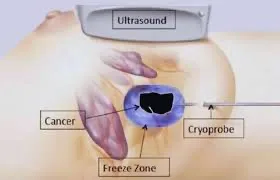
(Above) AI-generated illustration depicting cryoablation under ultrasound guidance
(Below)The four agents combined in the SYNC-T regimen: a TLR9 agonist, an anti-CD40 antibody, an anti-PD-1 antibody, and an anti-CTLA-4 antibody. AI-generated illustration.
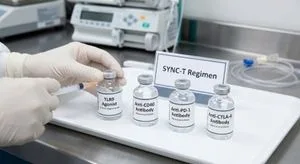
The SYNC-T regimen combines four immunotherapeutic agents: a TLR9 agonist, an anti-CD40 antibody, an anti-PD-1 antibody, and an anti-CTLA-4 antibody.
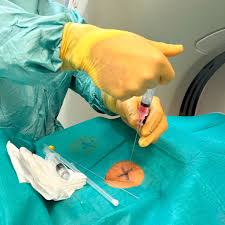
The drugs are delivered directly into the tumor via needle following partial cryoablation, a process that freezes a portion of the tumor to disrupt its structure.
Syncromune holds the intellectual property for the platform under U.S. patent application US20230404642A1, titled “Method for the treatment of cancer via tumor cell lysis and intratumoral administration of combinations of immunotherapeutic ingredients.”
The treatment that Williams developed is administered in a single outpatient session under image guidance.
Using ultrasound or CT imaging, a physician inserts a cryoprobe into the tumor and freezes a region approximately 14 millimeters in diameter.
The freezing process causes tumor cells to rupture, releasing antigens into the surrounding tissue.
According to the patent, the anti-PD-1 antibody dose ranges from 3 to 100 milligrams, compared with approximately 200 milligrams for a standard intravenous infusion of Keytruda.
At the Society of Urological Oncology 26th Annual Meeting, the numbers were refined. Thirteen men had come into the trial with cancer already settled in their bones — a place it is not easily persuaded to leave.
In seven of them, it did.
The Inventor
The patent underlying SYNC-T lists five inventors. The first is Charles J. Link Jr., founder of NewLink Genetics and executive chairman of Syncromune.
The second is Jason R. Williams, the American physician who conducted the First Phase, and who operates the Williams Cancer Institute in Cabo San Lucas, Mexico.
That Mexican detail is significant. Because when something big comes from outside the US system, questions tend to follow.
Dr. Williams has performed image-guided tumor ablation combined with intratumoral immunotherapy injections since the early 2000s and filed his first patent on the technique in 2003.
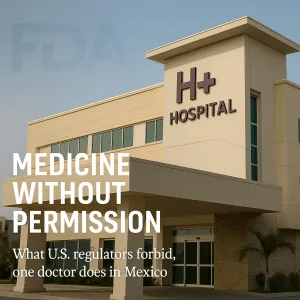
He relocated his cancer practice to Mexico, citing U.S. regulatory limits on the use of untested drug combinations.
In the United States, physicians are prohibited from injecting experimental combinations of drugs into tumors outside the structure of a U.S. Food and Drug Administration-approved clinical trial.
He moved his practice to Mexico, where the rules were different—and where he could keep doing the work.
Dr. Williams is board-certified in radiology by the American Board of Radiology and has served as an adjunct associate professor of interventional oncology at Case Western Reserve University since April 2017.
He is also the author of the book, The Immunotherapy Revolution: The Best New Hope for Saving Cancer Patients’ Lives, published in 2019.
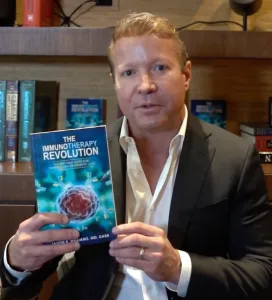
Dr Jason Williams author of The Immunotherapy Revolution
At the Williams Cancer Institute in Cabo San Lucas, Mexico, where he treats patients from the United States and abroad, Dr. Williams has applied similar protocols to a range of solid tumors, including breast, pancreatic, and head and neck cancers.
The Williams Cancer Institute presented data at the Society for Immunotherapy of Cancer 2025 meeting on the use of pulsed electric field ablation combined with intratumoral immunotherapy in head and neck squamous cell carcinoma.
According to his publications, Dr. Williams has performed thousands of ablation procedures, including multiple “first-in-human” applications of specific drug-and-device combinations.
The Phase 1 Trial
The Phase 1 clinical trial of SYNC-T was sponsored by the Williams Cancer Foundation, a nonprofit operated by Dr. Williams from his clinic.
The study is registered on ClinicalTrials.gov as NCT05544227. Williams also served as the trial’s principal investigator, recruiting patients from his own practice, and is listed as an author of the published results.
Dr. Williams served as the sponsor, investigator, and treating physician.
The trial began in Mexico, where Dr. Williams was already doing the work and where it was not illegal.
The Company
Syncromune, which is conducting the Phase 2 using Dr. Williams’s protocol, is a privately held biotechnology company based in Fort Lauderdale, Florida.
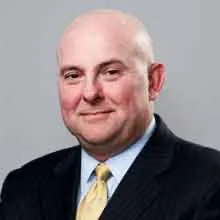
Eamonn Hobbs
Its president and chief executive, Eamonn Hobbs, co-founded AngioDynamics in 1988 and led it to a 2004 initial public offering. Charles J. Link Jr., founder of NewLink Genetics, is also listed as a co-founder.
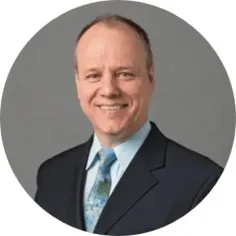
Charles J Link Jr
Yet in its formal presentation — on the page listing those in charge — one name is missing. One name you might expect to see—and don’t.
Dr. Williams isn’t on the leadership page. In a story like this, omissions tend to matter.
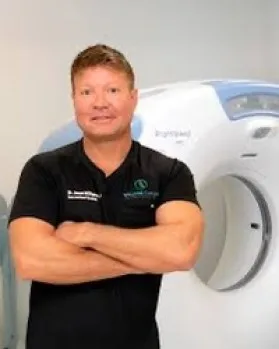
Dr Jason Williams
Asked about his role, Dr. Williams said Eamonn Hobbs and Charles J. Link Jr. approached him in 2019 to form the company after concluding that he was the originator of the protocol.
Yet, recognition does not always settle where it is first given.
This assertion addresses authorship. It does not, by itself, explain representation within the company’s current structure.
In a story like this, claims are where things start—not where they end.
When you look at the company, you might still wonder how such things are remembered versus how they are written down.
What Is at Stake
Prostate cancer kills approximately 35,000 men each year in the United States, with about 200,000 new diagnoses annually. Castration-resistant disease typically develops within 18 to 24 months of initiating hormone therapy and remains incurable.
If the Phase 2 trial of Dr. Williams’s protocol confirms earlier findings, SYNC-T Therapy SV-102 could represent a significant advance in the treatment of metastatic prostate cancer.
In Mexico, Dr. Williams continues his work by his own account, producing results similar to those reported in the Phase 1 trial.
In America, a company called Syncromune — headed by two businessmen, driven by the need to raise capital to take Dr. Williams’s protocol to the next level — works against what he calls the FDA’s restrictive measures.
Where is the physician who originated the protocol?
Dr. Williams, who developed the technique and continues to treat patients using it, is not listed on Syncromune’s leadership page.
Such arrangements are not uncommon in the commercialization of medical innovations.
But neither is it insignificant.
Could You Patent the Sun?
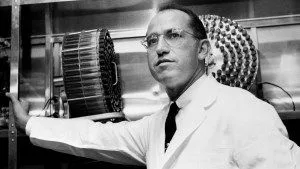
Dr Jonas Salk
When Jonas Salk was asked who held the patent on the polio vaccine, he replied, “Could you patent the sun?”
The vaccine had been developed at the University of Pittsburgh with funding from the March of Dimes. Salk declined to patent the discovery, arguing that its benefits should be broadly shared.
The pharmaceutical companies that manufactured the vaccine — Eli Lilly, Parke-Davis, and Wyeth — generated substantial profits from its production.
Salk did not.
Photograph 51
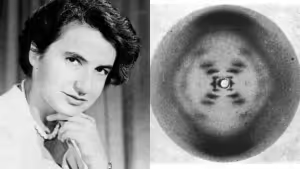
Rosalind Franklin
Rosalind Franklin’s X-ray diffraction image provided critical empirical evidence for determining the structure of DNA. James Watson and Francis Crick used the image, reportedly without her knowledge, to develop their model and shared the 1962 Nobel Prize with Maurice Wilkins.
Franklin had died in 1958 and was therefore ineligible for the award, which is not given posthumously.
The structure was hers. The prize was theirs.
The Caveat
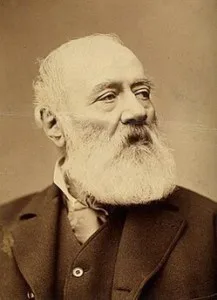
Antonio Meucci
Antonio Meucci filed a patent caveat for the telephone in 1871 but was unable to afford its renewal.
In 1876, Alexander Graham Bell was granted the patent. Bell Telephone Company went on to become one of the most valuable corporations in American history.
In 2002, the United States Congress passed a resolution recognizing Meucci’s contributions. He had been dead since 1889.
The Royalty
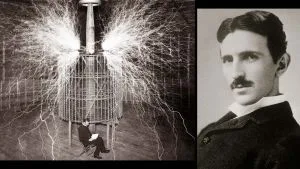
Tesla
Nikola Tesla licensed his alternating-current patents to George Westinghouse in 1888 under a royalty agreement of $2.50 per horsepower of generating capacity sold.
In 1891, amid financial pressure from bankers, Westinghouse asked Tesla to release the company from the royalty obligations. Tesla tore up the contract and accepted a lump-sum payment in its place.
The AC grid he developed went on to power the modern world. Tesla died in 1943, in debt, in a New York hotel room.
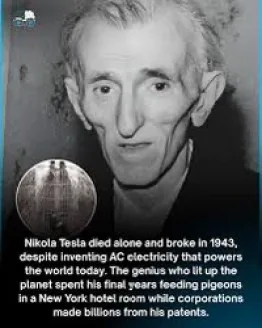
Tesla
The Pattern
These are not, in the end, stories of theft.
They are stories of arrangement. Of roles assigned, sometimes invisibly. The work, painstaking and uncertain, belongs to one kind of person. The machinery required to carry it outward belongs to another.
Dr. Williams originated the protocol now advancing to Phase 2 with Syncromune and is listed as one of five inventors on the underlying patent.
He does not appear on the company’s leadership page.
Whether that asymmetry resolves the way it did for Salk, Franklin, Meucci, and Tesla is a question the next phase of this story will answer.
The Trade
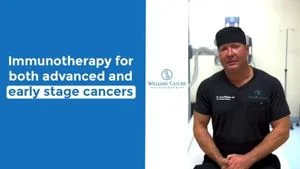
In an interview, Dr. Williams said he had spent more than two decades developing the approach, treating patients, and refining the protocol.
He said that even if others advanced the method without crediting him, he would accept that outcome if it meant the therapy reached more patients.
“You cannot patent the sun,” he said. “You cannot let greed get in the way of saving lives.”
The Question That Follows
Whether the Phase 2 trial confirms the Phase 1 results remains the central question. If it does, the protocol developed by Dr. Williams could represent a meaningful advance in the treatment of metastatic prostate cancer.
Who is remembered for it is the question that follows.
We will investigate further.
Additional information about the LEGION-100 trial is available at legion100trial.com. Patients diagnosed with metastatic prostate cancer or their referring physicians can inquire about eligibility and enrollment by visiting the trial website or contacting participating study centers directly using the contact information provided online.