Peter Max, The Psychedelic Pop Artist Who Defined The Look Of The 1960s, Has Died At 88
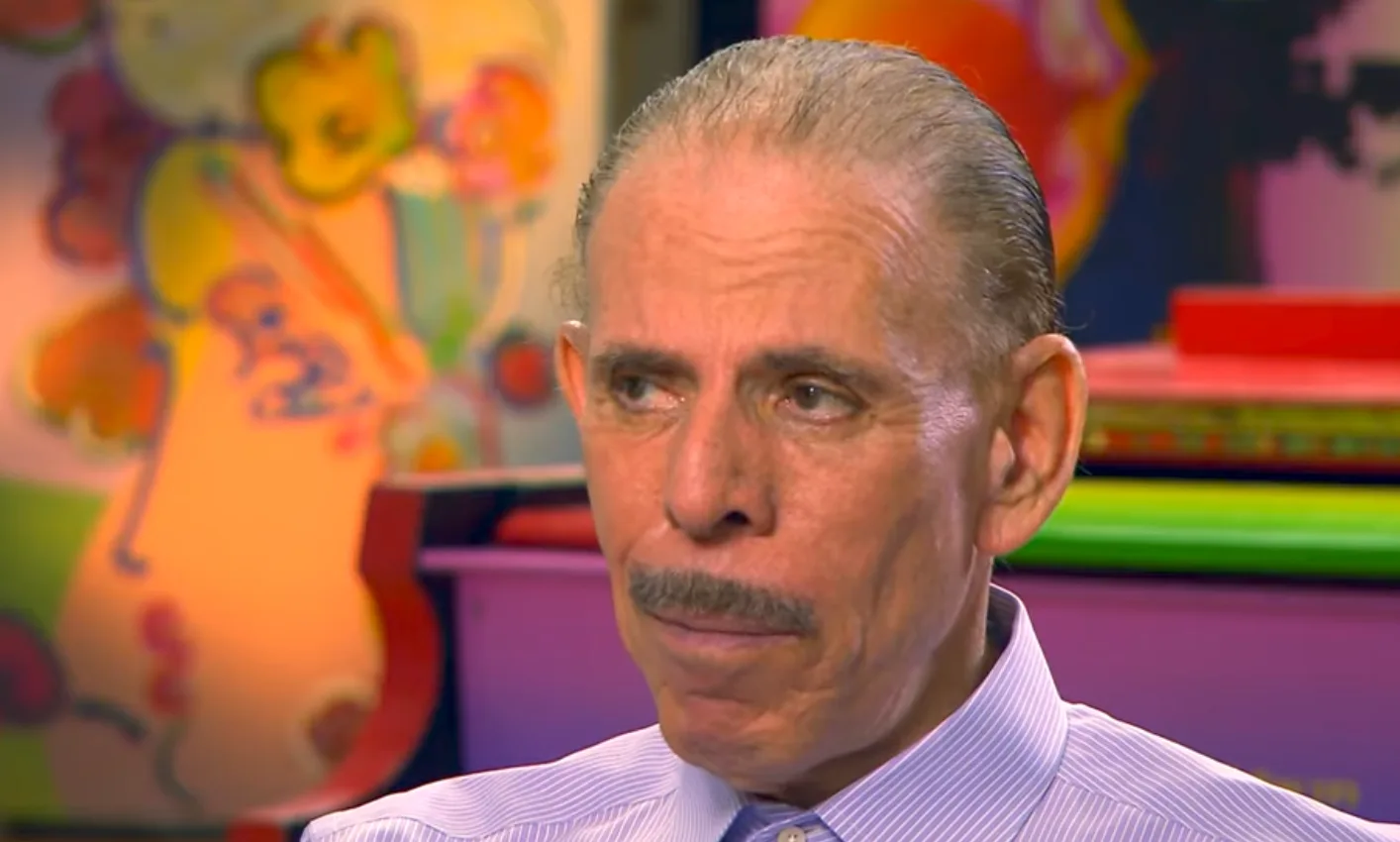
Peter Max died Monday September 14 at a hospital in Manhattan. He was 88. His son Adam Max confirmed the death Wednesday. He had long suffered from dementia. No other cause was given.
Born Peter Max Finkelstein in Berlin in 1937 to a Jewish family that fled Nazi Germany and spent a decade in Shanghai before emigrating to New York, Max became one of the most recognizable artists of the 20th century, and certainly one of the most commercially successful.
His swirly, Day-Glo posters of flowers, butterflies, rainbows, stars and cosmic imagery defined the visual aesthetic of the 1960s flower power movement and sold by the millions, decorating dorm rooms and record shops across America.
He was a teetotaler and a vegetarian who expanded his consciousness through yoga rather than drugs, a useful clarification given that his art looked exactly like what people expected drug-fueled psychedelia to look like. "Just as The Beatles had the music, I had the images," he told Crain's New York Business in 2007.
His licensing empire was enormous, his designs appeared on postage stamps, a Boeing 777, a Norwegian Cruise Line ship, sheets, glassware and shower curtains. He was the official artist for the Olympics, Super Bowl, Indianapolis 500, World Cup and World Series.
The federal government installed his psychedelic border crossing signs at more than 100 entry points in 1978 under Jimmy Carter. He painted portraits of five US presidents.
He was 88 years old. The 1960s looked like him.