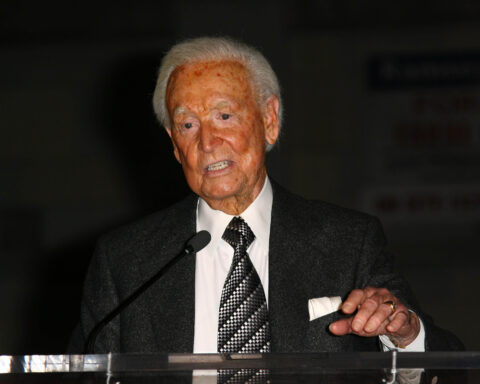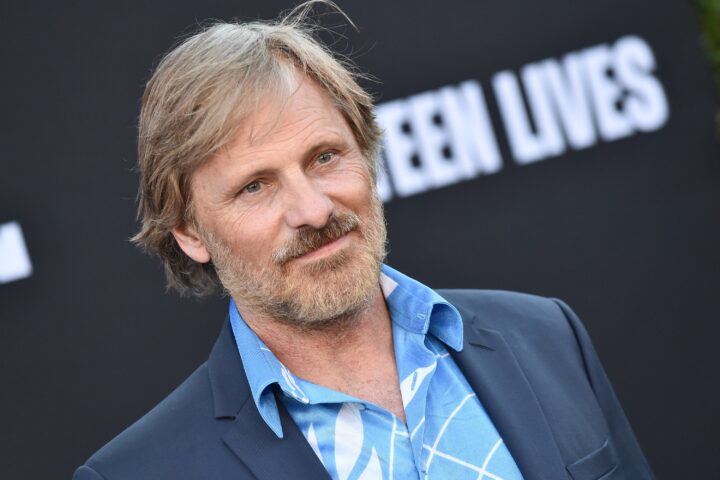

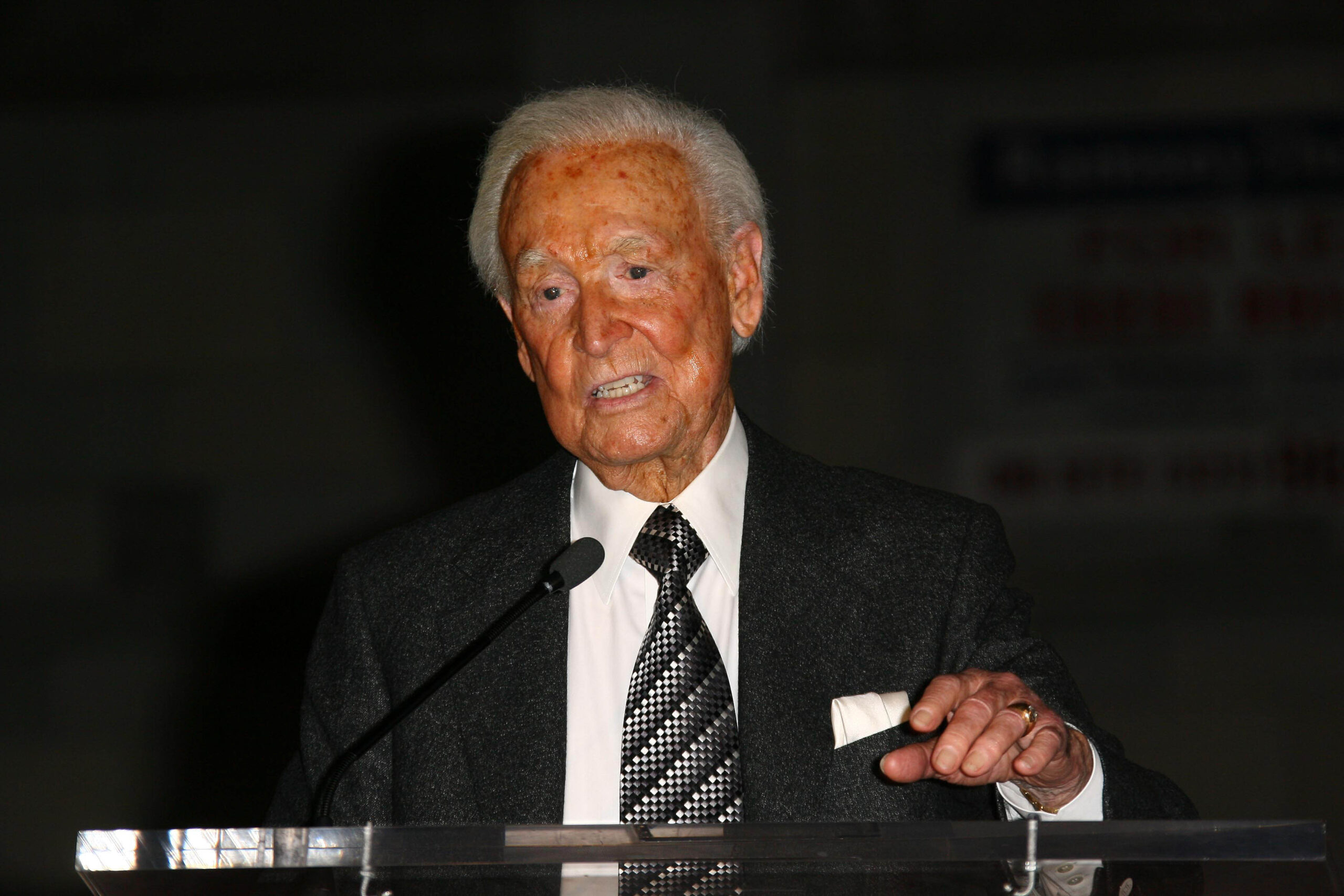
Roger Dobkowitz produced The Price Is Right for 36 years. He worked on more than 4,600 episodes. He sat in that building with Bob Barker through five presidents, three decades of daytime television dominance, and every controversy that ever emerged around the show.
He watched it all. He is 80 years old.
When E!’s documentary series Dirty Rotten Scandals ran two episodes about The Price Is Right in March 2026, episodes featuring former models accusing Barker of sexual harassment, racism, and workplace retaliation. Dobkowitz initially decided to say nothing.
Then he changed his mind.
On March 29, Dobkowitz posted a lengthy statement to his Facebook page. He called the documentary an “obvious hit piece.” He said he hoped it would “quietly disappear into the bottom of a TV equivalent of a waste basket.”
He described people who bring up decades-old allegations as potentially lacking the “capacity to reason maturely.”
He made the argument that has hovered around this story since the documentary premiered, the one nobody else with Barker’s name attached to theirs had said plainly until now: the accused is dead, and dead people cannot defend themselves.
“The adjective ‘brave’ should never be used in reference to a person attacking a dead person,” Dobkowitz wrote.
Bob Barker died in August 2023 at age 99, of complications from Alzheimer’s disease. He denied all allegations of wrongdoing throughout his life. He is not here to answer the documentary.
What Does The Documentary Say?
Dirty Rotten Scandals is a six-part E! series that premiered March 18, 2026. Two of its six episodes focus on The Price Is Right.
The series draws heavily from original reporting by journalist David Kushner and features on-camera interviews with former models and staff who describe what they allege was a pervasive culture of harassment, discrimination, and retaliation during Barker’s 35-year tenure.
The central figure among the accusers is Holly Hallstrom, a Barker’s Beauty who appeared on the show from 1977 until she was fired in 1995.
Hallstrom’s story is the most legally documented of any in the documentary.
In 1994, fellow model Dian Parkinson filed an $8 million sexual harassment lawsuit against Barker, alleging he coerced her into sexual activity by threatening her job. Barker denied the allegations. Parkinson later dropped the suit.
When the Parkinson lawsuit was filed, Hallstrom says, Barker asked the models to publicly support him.
Hallstrom refused. She did not want to commit what she described as perjury.
Shortly after, she was told she was being let go, with the stated reason being weight gain caused by medication. Hallstrom has always maintained the real reason was her refusal to back Barker.
Barker then sued Hallstrom for defamation after she spoke to the media about her dismissal. Hallstrom countersued.
The legal battle lasted years and, by her account, left her financially devastated, she describes living out of her car during parts of the litigation. She refused settlement offers that would have required her to sign a nondisclosure agreement.
Barker dropped his defamation suit in 2000, just days before it was set to go to trial.
Hallstrom subsequently sued him for malicious prosecution and received a multimillion-dollar settlement in 2005. The settlements are factual record.
In the documentary, Hallstrom describes Barker as “cruel and viciously vindictive” and says he sought to destroy employees who did not comply with his wishes.
She also recounts an alleged racist remark Barker made after learning that Parkinson had previously dated Black men, a comment the documentary quotes as claiming Black men were “the most diseased people on Earth.” Barker was not alive to respond to that characterization.
Kathleen Bradley, the first full-time Black model on The Price Is Right starting in 1990, describes a hostile environment both on set and in the broader culture around the show.
She says racial slurs were used in production meetings when the models were not present, and that a production rule allegedly limited two Black contestants per taping, with the letter “B” marked on contestant cards to indicate race.
A viral clip that circulated during the documentary’s premiere shows Barker appearing to pull away as a Black contestant approaches him for a hug on camera.
Barker’s supporters have disputed the framing of the clip. The context remains contested.
Claudia Jordan, who joined as a model in the 1990s, described persistent racism through that decade and into the 2000s. Former producer Barbara Hunter described being fondled in an elevator by a male staffer, reporting it, and nothing happening as a result.
What Has Barker’s Producer Said?
Dobkowitz’s counter to all of this comes down to several arguments, some more persuasive than others.
His most substantive point is also his most legally grounded one: the cases that went to court were settled, and most people, after settling, move on.
He argues that the compulsion to relitigate resolved disputes decades later reflects something other than a simple pursuit of truth. He does not dispute that settlements occurred, he questions why they are being treated as admissions of guilt when they were not adjudicated on the merits.
His most emotionally resonant point is the one about Barker being unable to respond. Whatever one believes about the allegations, the asymmetry is real. Hallstrom is alive and can speak. Barker is not.
His weakest argument is the one where he questions the timing and suggests the accusers may have personal vendettas, a characterization that applies the most uncharitable possible reading to people whose legal records, whatever their interpretation, are factual documents.
Hallstrom received a multimillion-dollar settlement. That is not a normal outcome for someone whose allegations were considered completely without merit.
Dobkowitz concluded his statement by teasing a possible memoir. “Someday, when I write my book,” he wrote, “my 36 years of observations with Bob, the models, and the staff will clear up lots of misconceptions and dismiss many wrongful accusations.”
He described the show as “a happy place, the envy of other shows. Staff rarely quit. The dozens of women who were in our repertoire of models came back year after year, happy to be on our show.”
Barker’s longtime representative Roger Neal, in a separate statement released when the documentary premiered, called Barker “beloved” and said he “was part of the fabric of American pop culture” and “the greatest MC in TV history.”
Why This Case Will Probably Go Unresolved
The thing about a documentary featuring interviews with people who experienced or witnessed something is that it tells one kind of story.
The thing about a 36-year producer writing a Facebook post is that it tells another. Neither fully resolves what happened in that building between 1972 and 2007.
What is settled is that Dian Parkinson filed a lawsuit. That Holly Hallstrom was fired, and that the legal battle over what happened cost both sides years and significant money.
That Hallstrom received a multimillion-dollar settlement. That Barker denied all allegations until his death. Dobkowitz, who was there for all of it, believes the documentary is wrong.
He is willing to say so publicly, even now, even knowing what Hallstrom told Page Six before the documentary aired: that anyone from Barker’s camp who speaks out would be making a very foolish mistake.
“If they opened up that door,” Hallstrom told Page Six, “we would just drive a truckload of court documents and testimonies backed with proof, evidence and videotape.”
Dobkowitz opened the door. The book, presumably, will tell us whether he had more to say than a Facebook post could hold.