
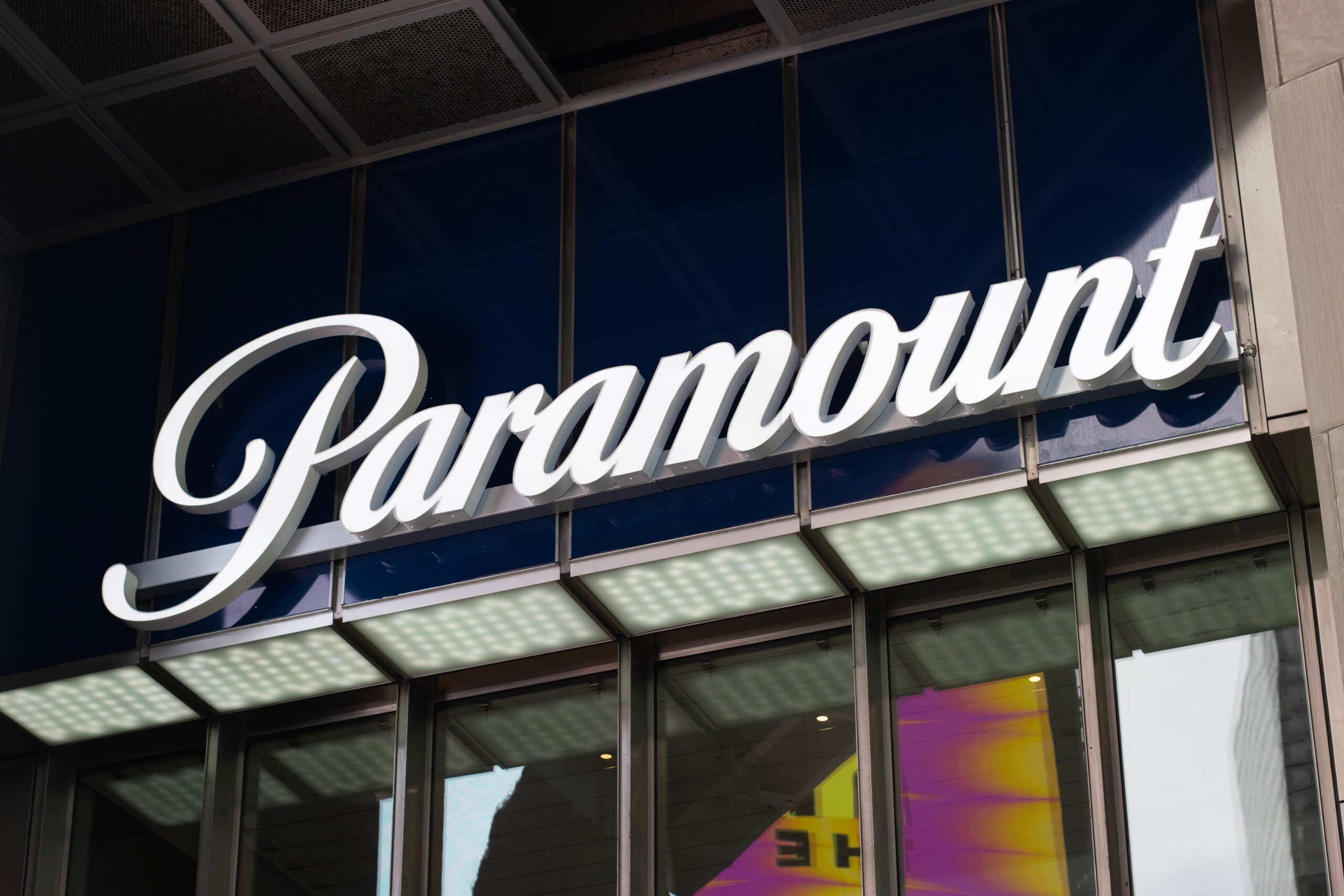
Paramount Skydance has secured nearly $24 billion in equity commitments from three Middle Eastern sovereign wealth funds to help finance its $111 billion acquisition of Warner Bros. Discovery, with the shareholder vote on the deal scheduled for April 23, sixteen days from today.
The three funds are Saudi Arabia’s Public Investment Fund, which has agreed to contribute approximately $10 billion. The Qatar Investment Authority, and Abu Dhabi’s L’imad Holding Company, which together account for the remaining $14 billion.
Deadline confirmed the commitments are signed. The Wall Street Journal first reported the agreements. Paramount Skydance declined to comment.
The Gulf backers will hold non-voting stakes below 25 percent in the newly merged entity, a structure designed specifically to keep the investment below thresholds that would trigger formal review by the Committee on Foreign Investment in the United States or the Federal Communications Commission.
Paramount executives do not expect the funds’ involvement to trigger either review.
What Entities Will Be Owned By Paramount Under This Deal?
The deal that closes with this financing behind it would create a media company of a scale that has not existed before.
Paramount Skydance already owns CBS, CBS News, Paramount Pictures, Paramount+, BET, Nickelodeon, MTV, Comedy Central, and Showtime.
Warner Bros. Discovery owns HBO, HBO Max, Warner Bros. Studios, DC Comics and its film and television library, CNN, TBS, TNT, HGTV, Discovery+, Animal Planet, Food Network, and one of the largest theatrical content libraries in history.
The combined company’s enterprise value, including debt, is projected to exceed $110 billion.
The equity value of the WBD acquisition alone is $81 billion, at $31 per share in all-cash consideration for Warner Bros. Discovery shareholders.
It is one of the largest media transactions ever completed.
David Ellison, 43, the CEO of Paramount Skydance, described the goal in a statement when the deal was signed,
“By bringing together these world-class studios, our complementary streaming platforms, and the extraordinary talent behind them, we will create even greater value for audiences, partners and shareholders.”
How The Financing Is Structured
The $24 billion from Gulf sovereign wealth funds represents one piece of a financing stack assembled to support one of the most expensive acquisitions in media history.
Paramount has separately secured $54 billion in debt commitments from a consortium led by Bank of America, Citigroup, and Apollo Global Management, which is currently being syndicated to additional banks and institutional investors.
Larry Ellison, David Ellison’s father, co-founder of Oracle and one of the wealthiest people in the world, has personally committed up to $46.7 billion toward the deal as a backstop.
That backstop is not a formality. The merger agreement with Warner Bros. Discovery required the Ellisons to guarantee the full equity amount, meaning if the Gulf financing or other equity sources fell short, Larry Ellison would cover the difference.
Paramount has confirmed that the equity syndication process will not affect the transaction’s timeline or certainty of close.
RedBird Capital Partners, the private equity firm led by Gerry Cardinale, is also among the deal’s backers.
How The Deal Was Worked Out
The path to this agreement was one of the more dramatic corporate battles in recent memory, involving a hostile takeover attempt, an activist investor insurgency, a direct conflict with Netflix, and a bidding war that ran from December 2025 through late February 2026.
It began in December 2025 when Netflix agreed to acquire Warner Bros. Discovery’s studio and streaming business, HBO, HBO Max, and the Warner Bros. film and television operations, in a cash-and-stock deal valued at approximately $72 billion.
Warner’s board embraced the Netflix proposal and scheduled a shareholder vote.
On December 8, 2025, Paramount Skydance launched a hostile all-cash tender offer for the entire Warner Bros. Discovery company at $30 per share, bypassing the board and appealing directly to shareholders.
The hostile bid valued the entire company at over $108 billion and was backed by $43.6 billion in equity from Larry Ellison and RedBird Capital Partners plus $54 billion in committed debt financing.
Warner’s board rejected the Paramount bid multiple times, calling it inferior and insufficient, and reaffirmed its support for the Netflix deal as recently as early February 2026.
The dynamic shifted when activist investor Ancora Holdings disclosed a roughly $200 million stake in Warner Bros. Discovery in February and publicly opposed the Netflix transaction, backing Paramount’s bid instead and threatening a proxy fight if the WBD board did not engage with Paramount.
On February 17, with Netflix granting a seven-day waiver to allow negotiations, WBD’s board agreed to engage with Paramount to seek clarity on its proposal.
Within that negotiating window, Paramount raised its offer to $31 per share.
On February 26, Netflix announced it would not match the revised bid, citing a commitment to long-term shareholder value and refusing to take on the additional leverage the higher price would have required.
By February 27, the merger agreement was signed.
Warner Bros. Discovery CEO David Zaslav said he was “very pleased with the outcome we achieved for WBD shareholders and the entertainment industry.”
Paramount paid a $2.8 billion termination fee to Netflix as part of the transition.
What Happens Next?
The WBD shareholder vote is April 23, 2026, at 10 a.m. Eastern. The WBD board has unanimously recommended shareholders vote in favor of the Paramount merger. The vote is widely expected to pass.
Regulatory clearance from the U.S. Department of Justice is still required.
Omeed Assefi, the acting head of the DOJ’s antitrust division, said publicly that the proposed deal will “absolutely not” be placed on a fast track for approval for political reasons, a comment directed at the Ellisons’ close relationship with President Trump, which David Ellison and his allies had cited as a potential advantage in the regulatory process.
European regulatory approval is also required. The deal targets a close by the end of the third quarter of 2026, with Paramount executives internally aiming for as early as the end of July.
Democrats in Congress have indicated they intend to scrutinize the transaction.
The combined company would control CNN, CBS News, and MSNBC, a concentration of news assets that critics have flagged as a media consolidation concern.
If the deal closes, David Ellison would lead a media company with few equals in scale.
The combination places under one roof the broadcast network CBS, the cable news operations of CNN, the prestige television brand of HBO, the theatrical studios of both Paramount Pictures and Warner Bros., the streaming services Paramount+ and HBO Max, and entertainment brands spanning DC Comics, Looney Tunes, Nickelodeon, HGTV, and Discovery.
The argument for the deal, as Ellison has made it, is that neither Paramount nor Warner Bros. Discovery is large enough on its own to compete against Netflix, Disney, and Amazon in the streaming era. Combined, the argument goes, they are.
The argument against it is the debt.
The $54 billion in debt commitments required to finance the acquisition represents a significant long-term burden on a company already navigating the transition from linear television to streaming, a transition that has been costly for every legacy media company that has attempted it.
The WBD shareholder vote is sixteen days away. The Gulf commitments are signed. The backstop is in place. The next milestone is April 23.