
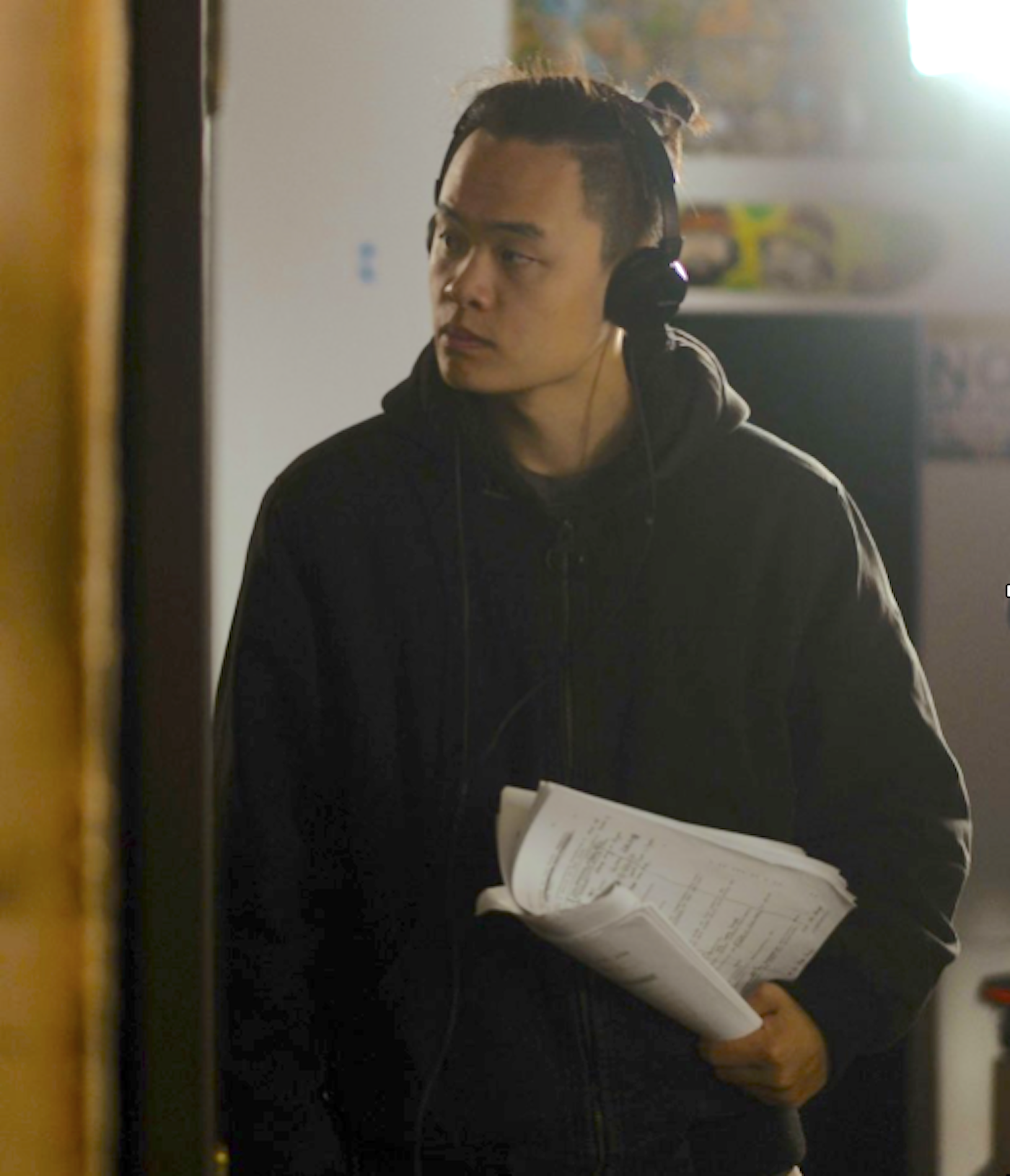
As mini dramas and vertical-screen series continue to expand across global platforms, their success raises a deeper creative question: why do these short, highly dramatic stories travel so quickly between cultures? For writer Jiayan He, the answer lies less in the format’s speed than in the emotional companionship it provides.
In China, short dramas became powerful in part because they gave audiences immediate access to fantasy, recognition, catharsis, and comfort. A viewer could enter a story within seconds and find betrayal, desire, protection, revenge, forgiveness, or romantic fulfillment delivered in concentrated form. Jiayan He believes those needs are not limited to one country or language. Across cultures, audiences want to feel chosen, protected, desired, believed, forgiven, or finally seen.
That belief shapes Jiayan He’s understanding of overseas mini drama. The story type may change — hidden identity, contract relationships, pregnancy drama, broken marriage, werewolf fantasy, revenge, Alpha romance, rom-com, or male-targeted fantasy action — but the emotional engine remains familiar. Viewers may arrive for the premise, but they keep watching because the story offers emotional release and companionship in a form that feels direct, accessible, and intimate.
His work draws from the intensity of Chinese short-drama structure, where humiliation, reversal, secret identity, sacrifice, and cathartic payoff often drive the narrative. For overseas audiences, those engines must be reshaped through natural English dialogue, clearer motivation, relationship tension, and performance rhythms suited to vertical-screen viewing. For He, bilingual writing is not only about translating words. It is about translating emotional rhythm.
This perspective also informs his openness to AI. He sees AI not as a replacement for writers or filmmakers, but as a creative tool that can help artists visualize faster, test ideas earlier, and approach stories that would be difficult to produce through traditional methods alone. In mini drama, where speed, clarity, and visual impact matter, AI can support worldbuilding, shot design, concept development, and more ambitious genre storytelling.
His current Dramabox project, The Forgotten Iron Wraith, reflects that direction. As an AI vertical drama, it allows He to explore a more visually expansive side of mini drama while still relying on the same fundamentals: strong scene rhythm and hooks that keep audiences watching.
At the center of He’s approach is the belief that technology can expand storytelling, but it cannot replace the reason people watch. A striking image is not enough. A scene still needs desire, conflict, and payoff. An episode still needs to leave the viewer with an unfinished feeling.
For He, the future of mini drama belongs to creators who understand both tools and emotion: writers who can use AI without losing human instinct, adapt Chinese dramatic intensity without losing cultural nuance, and write for the vertical screen without reducing stories to formulas. In that sense, mini drama is not simply short entertainment. It is a compact form of emotional companionship, built for the way audiences now watch, feel, and seek connection.