
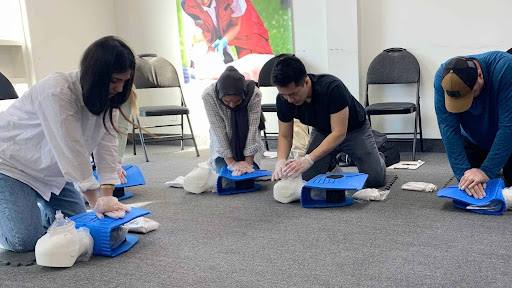
City life is fast-paced and unpredictable. This guide breaks down why busy professionals and families in urban centers need basic emergency skills, what to look for in certified training, and how to stay prepared for the unexpected every day.
City living is a rush. You grab your coffee, squeeze onto a crowded transit line, and weave through busy sidewalks just to get to work. It is easy to assume that because there are people everywhere, help is always just seconds away. But is it really?
The bystander effect is a very real psychological phenomenon. When someone collapses in a busy subway station or chokes at a packed restaurant, crowds often freeze up. That is exactly why taking Red Cross First Aid courses is so crucial for urban dwellers. It gives you the confidence to step up and take action when seconds matter most.
Why Are Emergencies Different in a City?
Urban environments present unique challenges that can complicate emergency response. Traffic congestion can severely delay ambulances during rush hour. Tall office buildings and complex condo layouts take time for paramedics to navigate. If a co-worker has a medical emergency on the 30th floor, you are the first responder until the professionals arrive off the elevator.
Having basic life-saving skills isn’t just about being a hero. It is about bridging the critical gap before medical help takes over. Those first five minutes are everything in a medical crisis. Knowing how to apply pressure to a wound or perform CPR can keep a person stable while the sirens try to cut through gridlock.
How Can Busy Families Fit Training Into Their Schedules?
We get it. Between soccer practices, late meetings, and endless grocery runs, nobody really wants to spend an entire weekend sitting in a classroom. Lack of time is the biggest excuse people use to avoid getting certified.
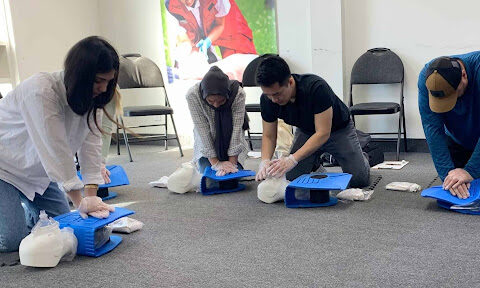
Thankfully, training formats have evolved to match our busy lives. Blended learning is the standard now for top-tier providers. You can complete the theoretical part of your training online, right from your couch, after the kids finally go to bed.
Then, you simply show up for a shorter, hands-on skills session in class. It cuts the physical classroom time in half. You can check out an example of how this modern scheduling works right here.
What Should You Look For in a Training Provider?
Not all certificates hold the same weight. You need a program that employers, schools, and safety boards actually recognize. Always look for frameworks built by established, reputable organizations like the Red Cross.
Courses approved by major provincial health and safety boards ensure you are learning the most up-to-date techniques. Whether you are learning CPR Level C for your family or Standard First Aid for your job, the science behind rescue breathing and chest compressions changes over time. You want to learn from instructors who actively practice what they preach.
What Basic Skills Matter Most for Daily City Life?
You probably won’t be performing wilderness rescues on your morning commute. But you might encounter someone suffering from severe heat exhaustion on a crowded streetcar in July. You might see a pedestrian take a bad fall on icy pavement during a harsh winter freeze.
Recognizing the early signs of a stroke and understanding basic wound care are incredibly practical skills. Furthermore, knowing how to use a public AED (Automated External Defibrillator) can literally save a life. Most major office buildings, transit hubs, and shopping centers have AEDs mounted on the walls. Do you know what they look like? More importantly, would you know how to turn one on?
If you are looking for first aid training near The Annex, the Bloor and Bathurst intersection, or other areas close to our facility, then you may reach out to Coast2Coast First Aid/CPR – Toronto in that area.
1. How long does it take to complete a standard first aid course? With traditional in-person classes, a Standard First Aid and CPR course usually takes two full days. However, with Blended Learning, you complete about half the coursework online at your own pace, requiring only one day in the classroom for hands-on skills testing.
2. Can I get fully certified just by taking an online course? No, a fully online course is not recognized for official workplace certification. First aid requires physical skills, like performing chest compressions and applying bandages correctly. You must complete an in-person component to be officially certified.
3. What is the main difference between CPR Level C and BLS? CPR Level C covers skills for adults, children, and infants, making it ideal for the general public, parents, and most non-medical workplaces. BLS (Basic Life Support) is a faster-paced, more advanced course designed specifically for healthcare professionals and first responders.
4. How often do I need to renew my first aid certification? In most jurisdictions, Standard First Aid and CPR certifications are valid for three years. Before your certificate expires, you can often take a shorter, one-day recertification course to update your skills and extend your credentials.
5. Are these courses recognized by my employer? Yes, as long as you choose a recognized training partner. Courses delivered under the Red Cross framework are WSIB/OHS approved, meaning they meet the strict workplace safety requirements demanded by employers across Canada.