
When you’re working on construction or industrial projects, you don’t always need thousands of identical parts. Many times, you just need a small batch of custom components that fit a specific job. That’s where low-volume metal manufacturing comes in. For contractors, this approach solves a simple problem: you get exactly what you need without paying for large-scale production you don’t use.
What low-volume metal manufacturing actually means
Low-volume manufacturing refers to producing a small number of metal parts instead of mass production. In most cases, it means anything from a single prototype up to a few thousand units, depending on the project and industry. It sits between one-off fabrication and large-scale production, and it focuses more on flexibility, customization, and fast changes than on unit cost efficiency.
If you want practical solutions for small-batch metal parts like drainage covers, pool components, or replacement castings, you can also explore options such as brass casting service through specialized providers.
In real projects, low-volume manufacturing is often used when you don’t need large quantities but still need strong, precise metal parts. It helps you get custom designs made without investing in expensive mass-production tooling, which makes it useful for contractors handling unique or project-specific requirements.
Why contractors rely on it
If you’re a contractor, you’ve probably faced situations where standard off-the-shelf parts just don’t fit. Maybe a drainage cover is the wrong size, or a replacement part for an older system is no longer manufactured. Low-volume production helps you match exact project dimensions, replace discontinued components, add custom branding or markings, and avoid over-ordering unnecessary stock. It’s practical, not theoretical. You get parts built for the job in front of you.
Common methods used in low-volume metal manufacturing
Several manufacturing methods support small-batch production. Each one has its strengths depending on the design and material.
Sand casting
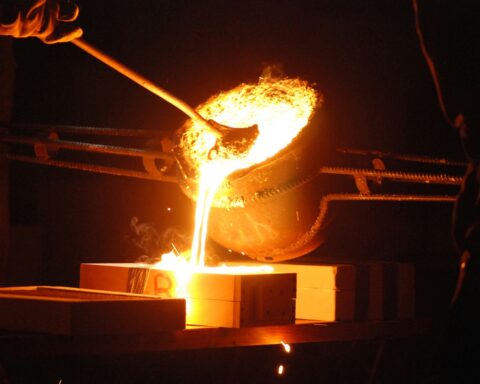
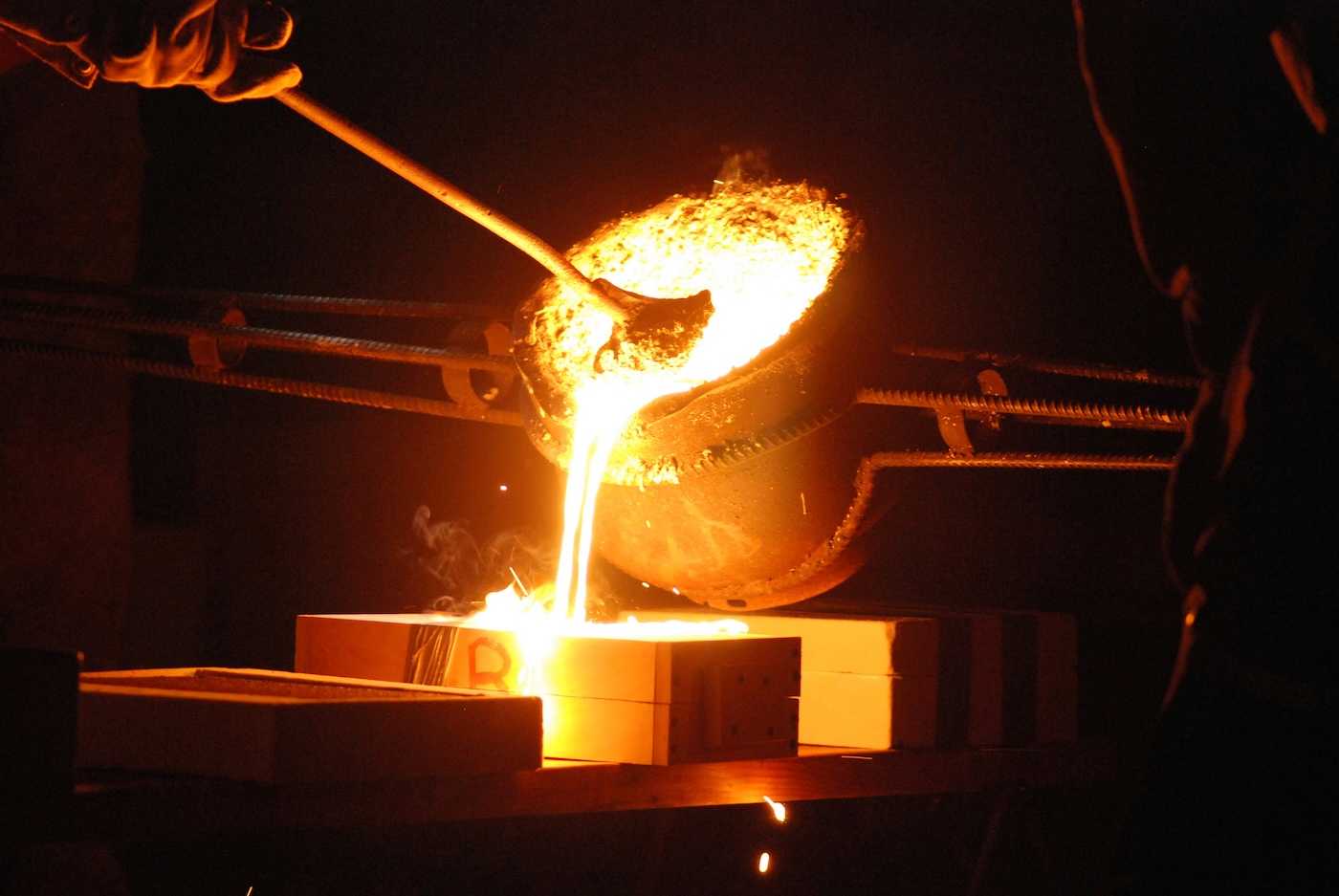
This is one of the most widely used methods for aluminum and brass parts. It’s cost-effective for small batches and works well for complex shapes.
CNC machining
Best for high precision parts. It removes material from a solid block and delivers tight tolerances, but costs can rise depending on complexity.
3D printing for patterns
Modern foundries often use 3D printing to create molds or patterns before casting metal. This reduces development time and allows quick design adjustments. In fact, research from the National Institute of Standards and Technology (NIST) shows that additive manufacturing can significantly improve prototyping speed and design flexibility in industrial production Additive Manufacturing Research.
Where custom casting fits in
For contractors working with infrastructure, drainage systems, or architectural metalwork, custom casting is often the most practical option. It allows you to produce items like drain grates, skimmer covers, scuppers and spouts, decorative architectural elements, and replacement industrial parts. These components often need to be both functional and durable, especially in outdoor environments where corrosion and load stress are constant.
Material choice matters more in small batches
In low-volume production, material selection is not just technical—it affects cost, durability, and lead time.
Aluminum is lightweight and corrosion resistant, good for architectural and drainage components, and easier to machine and cast.
Brass is strong and wear-resistant, often used in decorative or plumbing-related parts, but heavier and stable over time.
Bronze offers high resistance to corrosion, especially outdoors, with a long service life but higher cost.
Contractors usually choose based on environment, not appearance.
Benefits of low-volume manufacturing for contractors
This approach has become more important in modern construction because projects are more customized than ever. It reduces storage needs, limits material waste, speeds up replacement cycles, supports custom architectural designs, and allows flexibility during project changes. It also helps in renovation or repair work where original parts no longer exist.
Limitations you should keep in mind
Low-volume manufacturing is useful, but it’s not perfect. Costs per unit are higher than mass production, lead times can be longer for complex designs, economies of scale are limited, and there may be slight variation between batches depending on the process. Understanding these trade-offs helps you plan better and avoid delays on-site.
How contractors can work more efficiently with foundries
If you want better results from low-volume manufacturing, communication matters. You should provide clear CAD drawings or sketches, exact dimensions and tolerances, material requirements based on environment, load or stress expectations, and installation context. The more detail you give, the fewer revisions you’ll need later.
Final thoughts
Low-volume metal manufacturing gives contractors flexibility that mass production can’t. It lets you build exactly what your project needs without being locked into large production runs. Whether you’re replacing an old part or creating a custom architectural feature, the key is choosing the right process and material for the job. When done right, small-batch manufacturing becomes a practical tool rather than just a backup option.