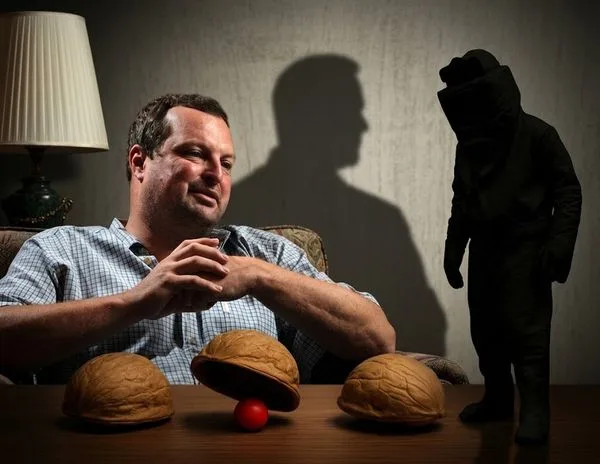
HUNG UP ON THE HUNG JURY: Clancy jury did exactly what a jury is for
12 ≠ 11, DUMMIES: That's what everyone's mad about.

By Winston Velvet
A catastrophe occurred in Plymouth County. Twelve citizens heard five weeks of evidence.
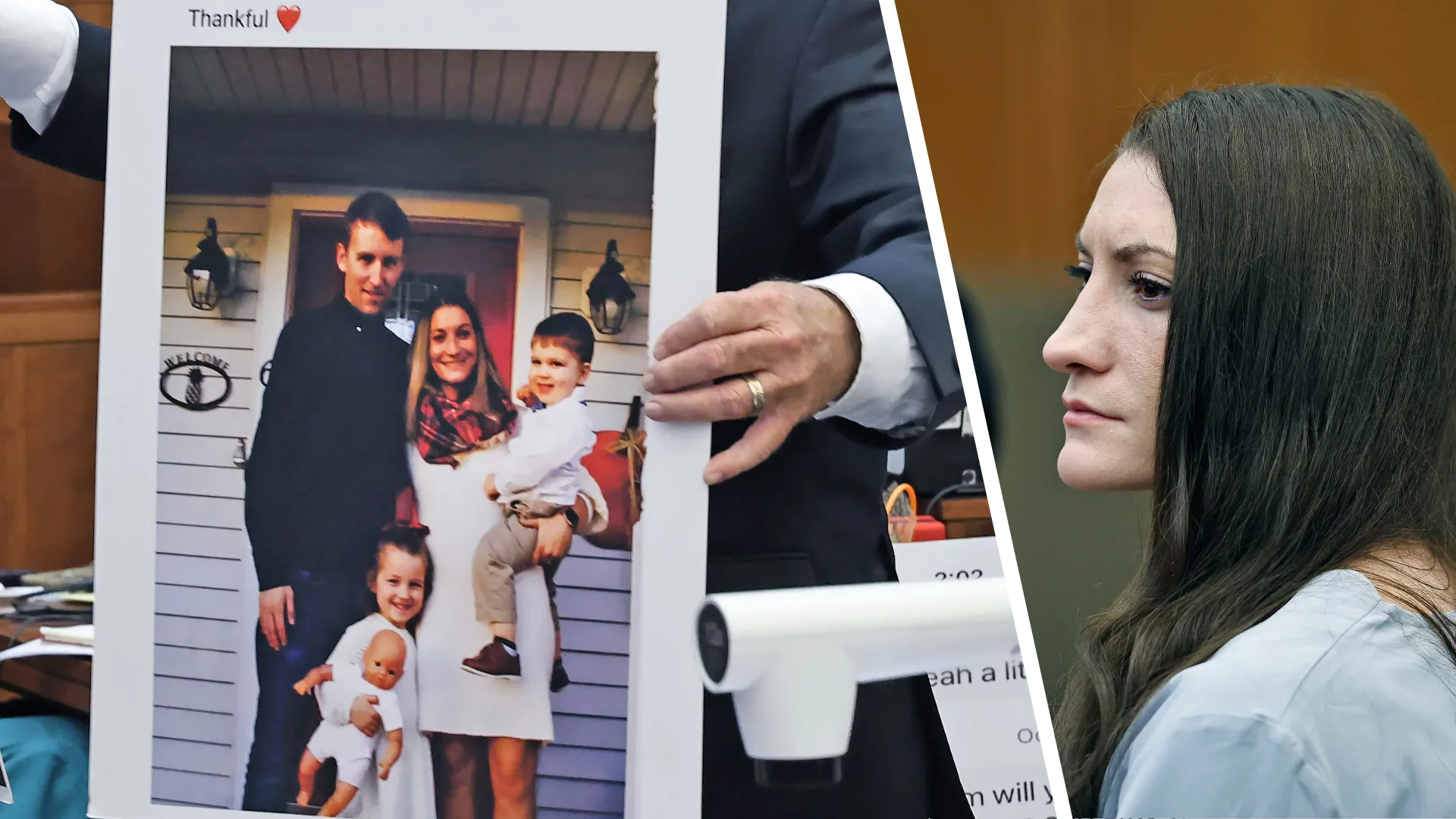
They listened to psychiatrists contradict each other. They were asked a question no human being can answer with certainty: what was inside Lindsay Clancy's mind on the night in January 2023 when she strangled Cora, 5, Dawson, 3, and Callan, 8 months, in the family home in Duxbury.
They deliberated for seven days.
Eleven said the Commonwealth had not proved criminal responsibility beyond a reasonable doubt. One said it had.
The judge asked them to sit together again and reconsider. They were 11-1. Then they reconsidered, and it was still 11-1.
That is the catastrophe. The jury deliberated. The jurors disagreed. The holdout held out. The judge followed the law. The result was a mistrial on September 4.
In other words, the system worked. Our system requires twelve people to agree.
Now some people, some very naive people who do not understand the jury system at all, are mad because twelve people didn't agree. The rule is not complicated. The state may take a citizen's liberty, or in this case decide the shape of the rest of her life, only if it persuades twelve people. Not a majority. Not a supermajority. Not eleven with the twelfth outvoted.
Eleven is a great many people. It is still not twelve.
Here's the complicated constitutional formula: 12 = 12. Eleven does not become twelve because eleven people are really annoyed.
UNANIMOUS MEANS TWELVE
The rule survived because people understood something about power. Most of a room can be wrong. Eleven people can be tired. Eleven can be impatient. Eleven can sincerely believe something that the twelfth cannot make himself believe.
That's why the last guy matters. If you can throw him out because everybody else wants to go home, then don't bother pretending you need twelve.
People love checks and balances until somebody actually checks something. Then suddenly he's "obstructing the process."
Michael Péguy Desronvil was the twelfth man. He says he believed the evidence showed Clancy knew what she was doing.
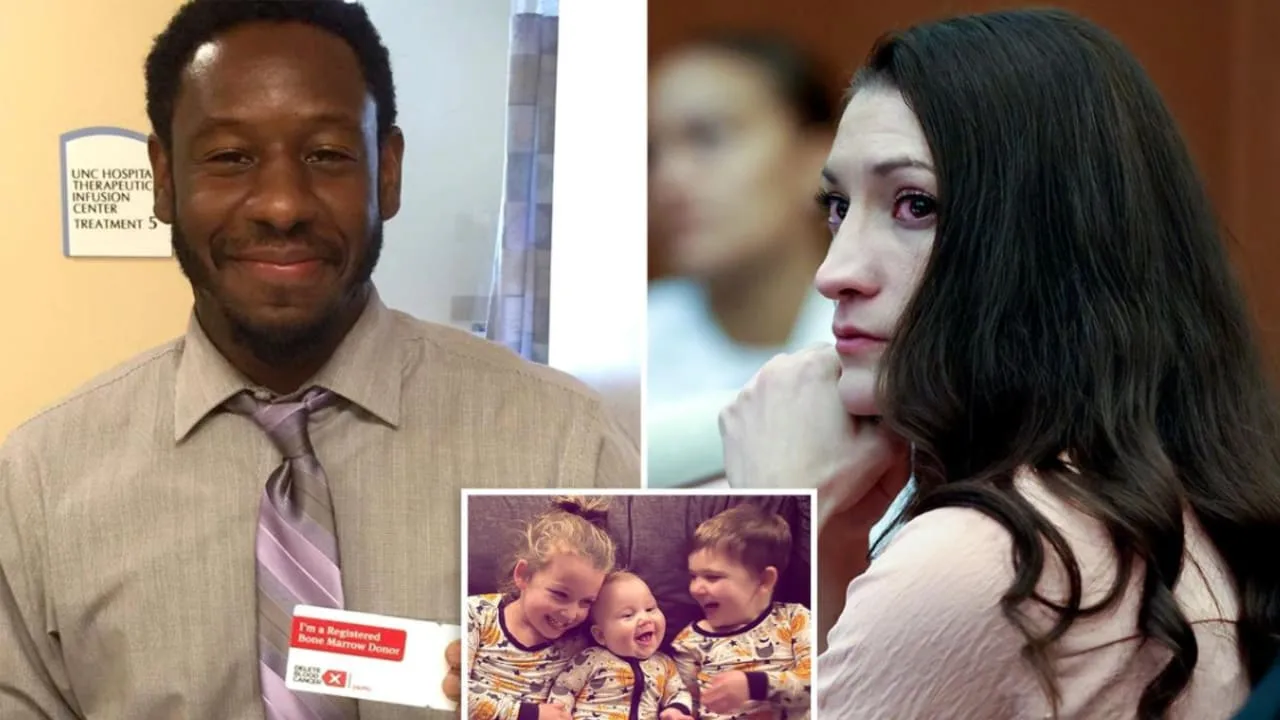
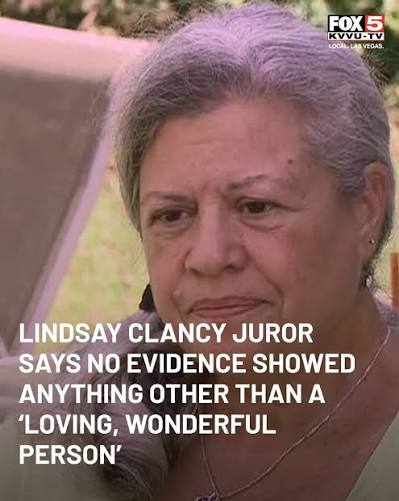
The other jurors basically argued on morning television: "He's the only one who doesn't agree with us, so something must be wrong with him."
He had one vote. So did each of them. His counted.
That is the whole point of a jury. A single juror can withhold consent, and when he does, the prosecutor who wanted a conviction and the defense that wanted an acquittal walk out of the courtroom with the same thing: nothing.
THE THING NOBODY WANTS TO SAY OUT LOUD
In the documentary version, the lone juror is always magnificent.
Eleven people want to convict an innocent man, but one stubborn citizen refuses to go along. We call him brave because history proved him right.
You've seen the movie, 12 Angry Men. Eleven guys want to fry the defendant. Henry Fonda keeps asking questions. Everybody cheers.
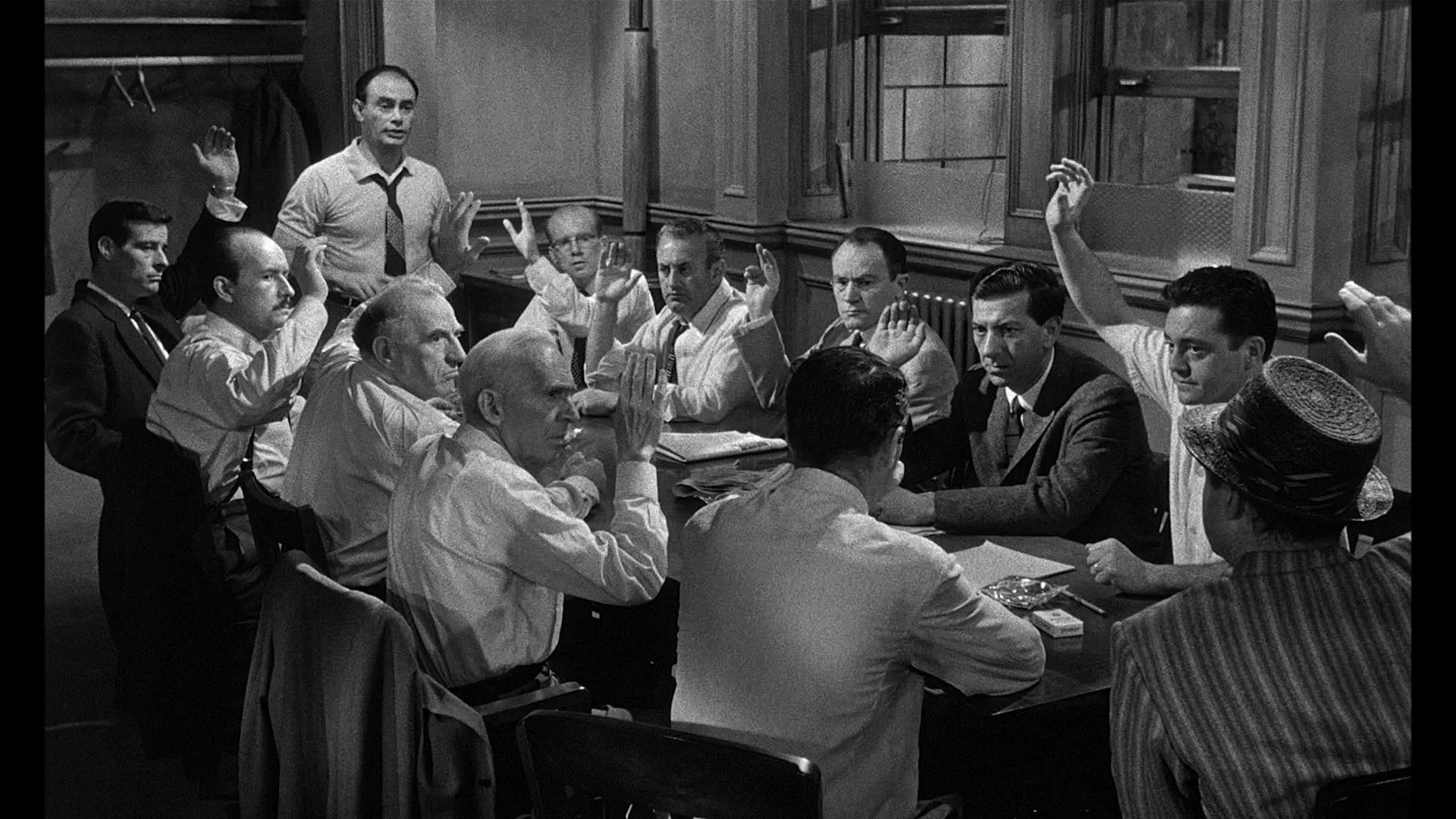
Now turn the chairs around. One guy thinks the state proved Clancy was a criminal who killed her three kids.
Eleven thought she should be treated, not punished.
Eleven believed one thing. One believed another. So there was no verdict. That is all a mistrial says.
It tells us that twelve citizens could not agree.
Sometimes the honest answer is not yes or no. Sometimes it is: we could not all say the same thing.
Whether the eleven were right or the one was, the outcome was correct: the Commonwealth did not get its conviction, the defense did not get its acquittal, and the question goes back to the prosecutors.
The jury room worked. The television cameras arrived.
The other jurors spoke. One called him arrogant. One told the nation he was the only Black man on the panel.
People searched for the lone man's past. His address and phone number appeared online. Strangers threatened him. A disagreement protected inside a jury room became a judgment on the character of the person who disagreed.
The eleven did their duty in the room and then, on television, tried to overturn it. You cannot do both.
THE PART THAT DID NOT WORK
You cannot keep your own vote sacred and make his disposable.
They respected independent judgment so deeply that they went on television to complain about it.
The verdict in the Clancy case is that there was no verdict. That is a verdict.
Twelve people could not agree, so the government does not win. It says the same thing it has said since the eighteenth century in America: a single citizen, standing alone against the room, is enough to stop the state or free the defendant.
We have been calling that a protection for a very long time.
The law cannot punish them for that.
One person remained apart from the others. There is something difficult and beautiful in that.
That is not the defect. That is the feature we have been paying for all this time.
It produces hung juries, and liberty was never designed for efficiency.
The people furious at one stubborn man in Plymouth County may want to remember something before they redesign the system. Someday they may be sitting in the defendant's chair.
Eleven people may be certain. And suddenly twelve will seem like a very beautiful number.
WHY TWELVE
The number is twelve for a reason.
Twelve is the old number of completeness. Twelve months make the year, twelve hours the face of the clock, twelve signs the sky, twelve tribes the nation, twelve apostles the table.
Twelve is the number you use when you mean all of it.
A jury of twelve is not a sample of the country. It is the country, in miniature, sworn and seated.
That is why one vote weighs exactly as much as the other eleven. Not roughly. Exactly.
In every other room in public life, the count is what matters. A legislature counts. A ballot counts. A cable panel counts, and it counts loudly.
But a jury does not vote the way those rooms do.
It consents. And consent is not a quantity.
Eleven-twelfths of a yes is not a yes any more than eleven months is a year. The clock that reads eleven is not complete.
So when eleven people say the state has proved its case and one says it has not, the arithmetic that everyone reaches for, the arithmetic of 92 percent, is the wrong arithmetic. The question was never how many. The question was whether the whole. And the whole said no.
That is what the twelfth juror is for. He is not the minority. He is the missing hour. Without him, the day does not turn.