Kratom Crackdown Announced By The DEA
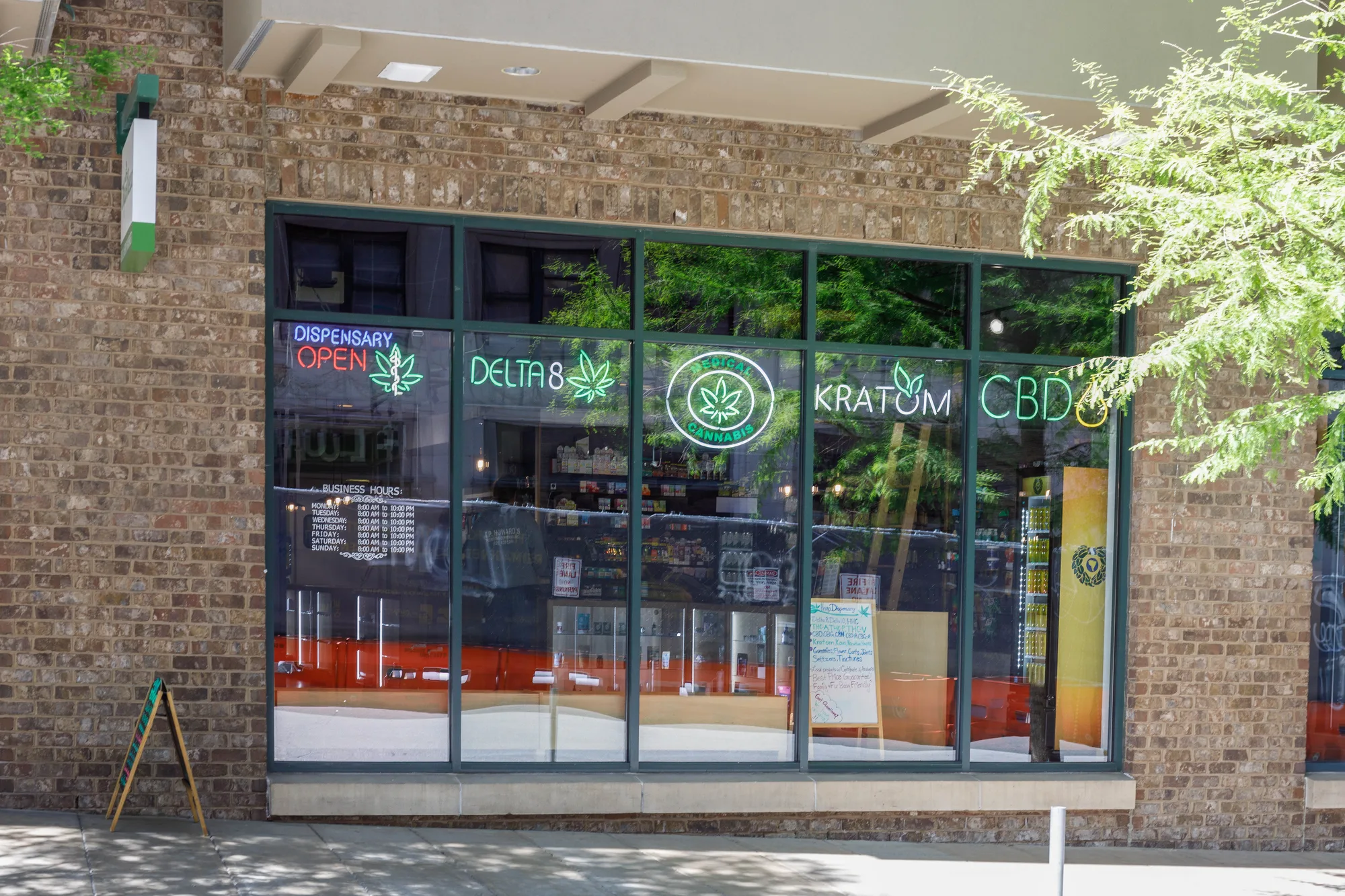
The federal government has taken its most significant action yet against the kratom industry. Following notices of intent filed July 1, a 30-day public comment period and a final review by the Attorney General, the Drug Enforcement Administration's temporary scheduling orders for highly concentrated 7-hydroxymitragynine, known as 7-OH, and three fully synthetic kratom-related substances are now in effect.
The four substances now classified as Schedule I controlled substances, in the same category as heroin and LSD, are: 7-OH above a specified threshold concentration, mitragynine pseudoindoxyl, MGM-15 and MGM-16.
The last three are synthetic compounds that do not occur naturally in the kratom plant at all. The scheduling is temporary for up to two years while the DEA conducts its full review.
The critical distinction: the natural kratom leaf is not scheduled. Kratom botanical products that contain 7-OH only at naturally occurring trace concentrations, well below the specified threshold, remain legal under federal law for now.
What is now illegal is the concentrated extract market that has been selling 7-OH in candy, tablets, shots and gummies at levels many times higher than what the plant naturally contains.
The American Kratom Association endorsed the action as targeting "falsely marketed" products.
The kratom leaf community has largely welcomed the distinction. Anyone who has been using concentrated 7-OH products should be aware that abrupt discontinuation can cause withdrawal, the same as with other opioids, and that buprenorphine is an approved treatment option.