National Park Claims The Life Of French Tourist In Death Valley
Pierre Michel Formosa traveled from France to see one of the most extraordinary landscapes on the planet. He did not come home.
The 68-year-old was pronounced dead on the afternoon of August 17 in Death Valley National Park, California, after a series of events that began with a stuck vehicle and ended with a search and rescue helicopter locating his body approximately 1.5 miles from the nearest paved road, alone on the salt flats, in heat that reached 116 degrees Fahrenheit.
Formosa and his travel companion, also from France, had been driving on West Side Road, a rugged, unpaved route in the remote western section of the park, when their vehicle became stuck in mud near Queen of Sheba Mine Road.
There were no other cars in the area. No cellular service. Two men, one disabled vehicle, and open desert stretching in every direction.
They made the only decision that seemed to make sense: walk toward the main road.
What Happened On The Salt Flats?
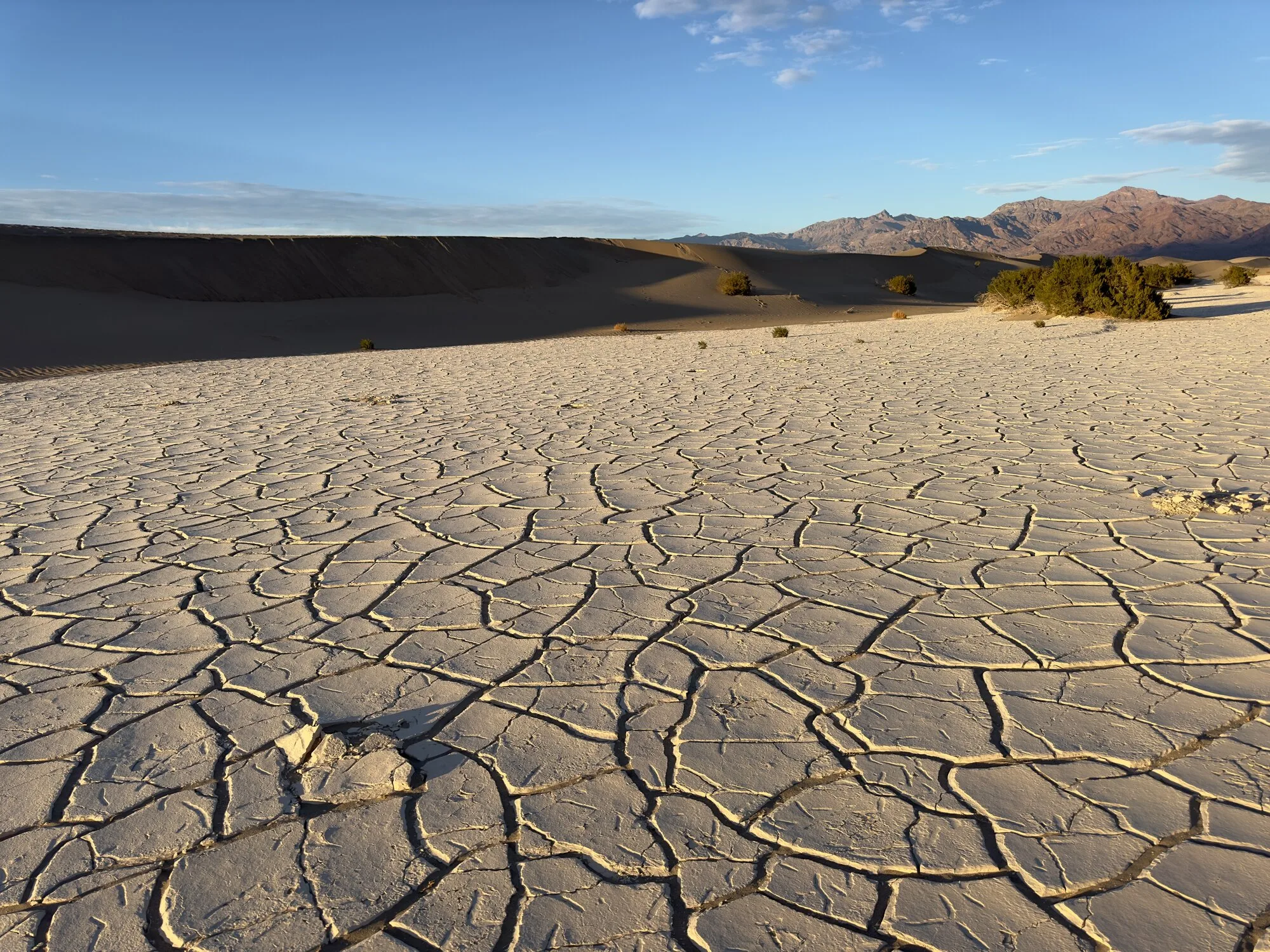
The men set out on foot across the Badwater Basin salt flats toward Badwater Road, one of Death Valley's primary paved routes, approximately 2.8 miles away.
The salt flats at Badwater Basin represent the lowest elevation in North America, 282 feet below sea level, and on August 17, 2026, they were baking under extreme heat that the National Weather Service had already flagged with an active warning.
High temperatures across the Death Valley basin were forecast to remain between 115 and 118 degrees through the week.
After approximately 1.3 miles, Formosa could no longer continue. He stopped. His companion pressed forward, eventually reaching Badwater Road, flagging down a passing motorist and reporting the incident to park rangers at the Furnace Creek Visitor Center shortly after 2 PM.
The National Park Service launched a search and rescue operation at 2:13 PM. Rangers and an Inyo County deputy responded on the ground. A California Highway Patrol helicopter joined the search from the air.
The helicopter located Formosa that afternoon, approximately 1.5 miles from Badwater Road. He was pronounced dead at the scene.
The Inyo County coroner will make the official determination of cause of death, but heat exposure in those conditions is the overwhelming likelihood.
Death Valley National Park Superintendent Mike Reynolds offered condolences to Formosa's family and friends in a formal statement.
"This is a heartbreaking reminder of how quickly conditions here can turn dangerous," he said. "Death Valley is an extraordinary place, but its heat, distances, and remoteness can be dangerous, regardless of experience."
What Death Valley Requires Of Every Visitor
Pierre Michel Formosa's death is the 76th recorded at Death Valley National Park since 2007, according to National Park Service mortality data.
The park's extreme conditions claim lives with painful regularity, hikers, motorcyclists, drivers who stop in the wrong place at the wrong time of year. The numbers climb every summer as visitor counts increase and temperatures with them.
Death Valley holds the record for the highest reliably recorded air temperature in world history: 134 degrees Fahrenheit, recorded on July 10, 1913, at Greenland Ranch in the Furnace Creek area.
In summer 2024, a single day produced temperatures of 128 degrees. The valley functions as a natural heat trap, surrounded by mountain ranges that prevent cooling air from flowing in, with a basin floor that absorbs and radiates heat relentlessly throughout the day and into the night.
The specific geography that killed Formosa is unforgiving in ways that are easy to underestimate from outside. West Side Road is a backcountry route not maintained to the standard of the park's main roads. It passes through areas with no cellular coverage.
The Queen of Sheba Mine area, near where the car became stuck, is a remote stretch with no shade, no water sources and no regular traffic from other visitors.
Walking 2.8 miles across open salt flats in afternoon heat at that temperature is not a manageable exertion for most people, the body loses water rapidly, core temperature rises quickly and the flat, featureless terrain offers no physical markers to gauge progress against.
The National Park Service recommends that summer visitors to Death Valley drink one liter of water per hour of outdoor activity, avoid hiking between 10 AM and 4 PM, travel in groups, tell someone their plans before heading out and carry extra water and emergency supplies in any vehicle that drives onto backcountry roads.
The park's emergency line is 760-786-3200. Cell service is limited throughout the park and absent in many backcountry areas.
Pierre Michel Formosa came to see one of Earth's most remarkable places. The park that carries that beauty also carries real danger, and it does not negotiate with either.