'Super Earth' May Have Been Swallowed By Our Sun Billions Of Years Ago, Scientists Claim
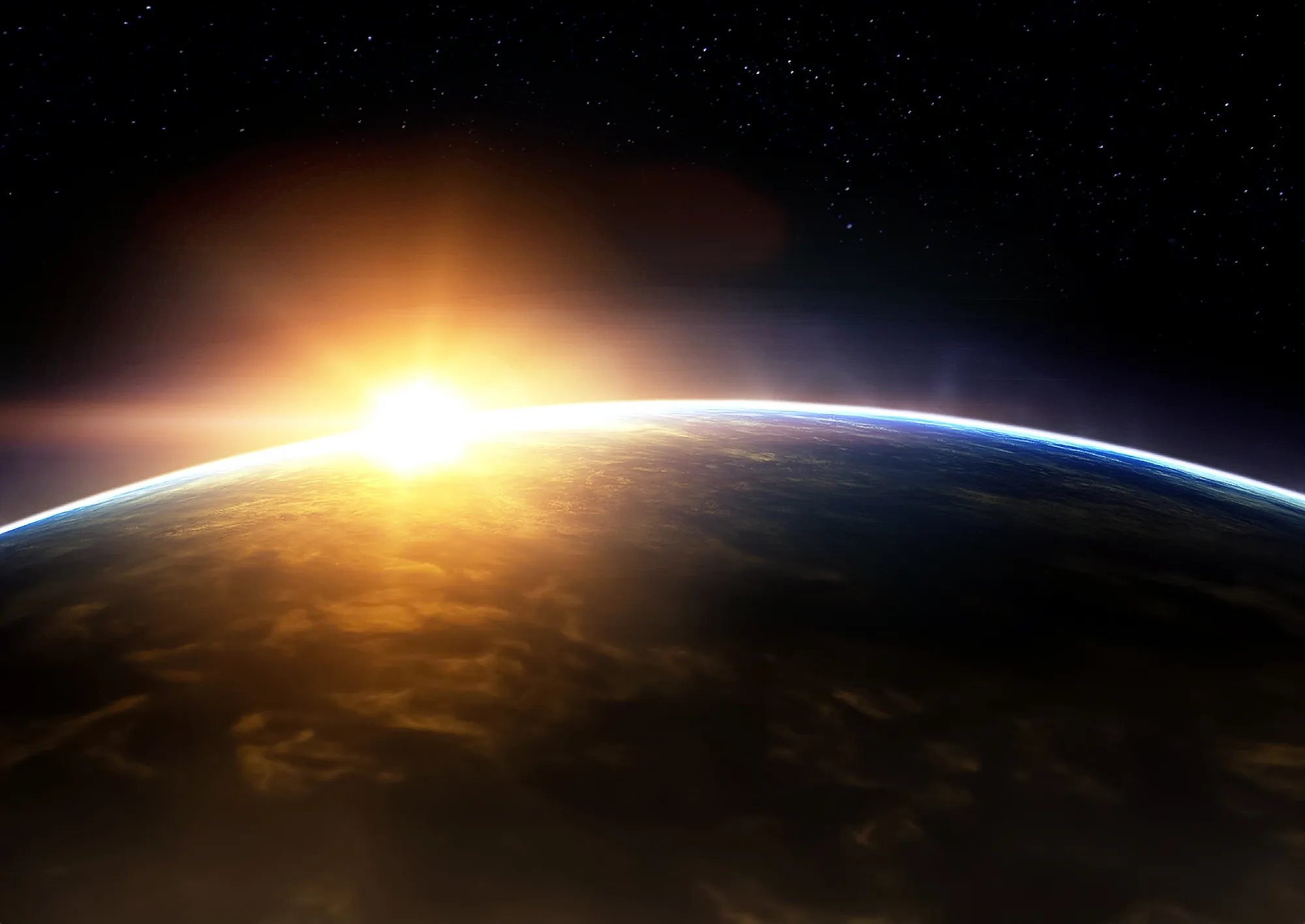
A new study published September 10 in the Monthly Notices of the Royal Astronomical Society by astrophysicist Mutlu Yildiz of Ege University in Turkey proposes that our sun may be a cosmic cannibal, that billions of years ago in its early history, it consumed a super-Earth roughly 5.6 times the mass of our own planet, and that chemical fingerprints of that violent meal may still be detectable deep inside the star today.
The theory emerged from long-standing puzzles about the sun's internal structure. Models of stellar evolution have never perfectly matched what helioseismology, the study of the sun's internal vibrations, similar to seismology on Earth, actually reveals about the sun's interior.
They also can't fully explain why the sun's surface has more than 100 times less lithium than meteorite evidence suggests the early solar system contained.
Yildiz found that adding a planet engulfment event, specifically a super-Earth between 4.6 and 5.8 times Earth's mass, to the model produced the best match to the sun's real internal structure and its current lithium levels simultaneously.
"We thought planetary engulfment might affect the solar structure but did not expect the calculations to converge on such a specific super-Earth mass range," Yildiz said. "That was one of the most interesting outcomes."
Super-Earths are among the most common planets found in other solar systems. The fact that our solar system has none has long been a puzzle. This theory offers one explanation. The next step is independent detection of those fingerprints.