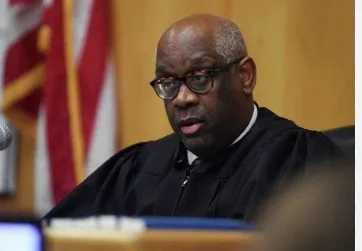

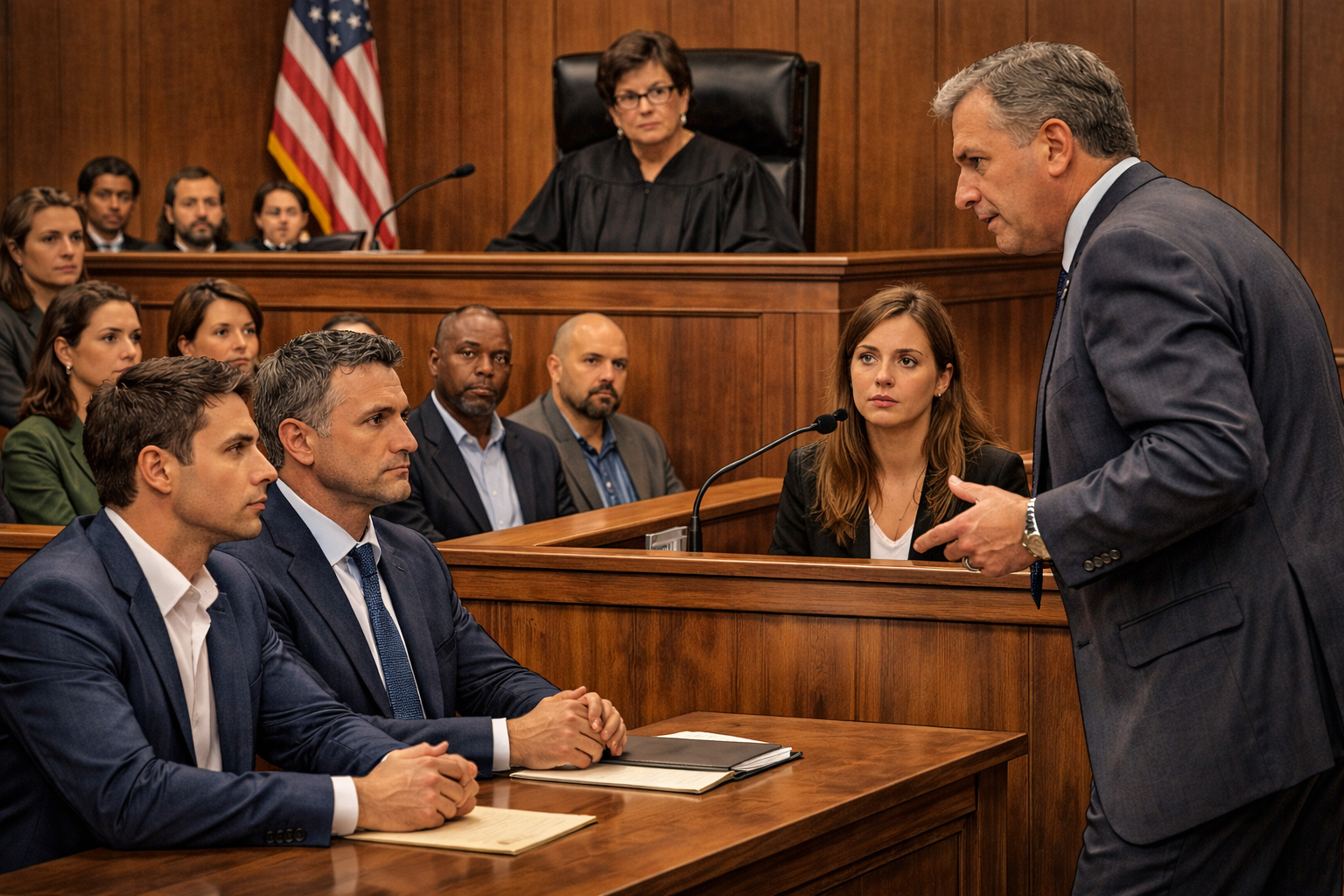
In United States v. Oren, Tal, and Alon Alexander, being tried before Judge Valerie Caproni in the Southern District of New York, prosecutors have framed the case as one of sex trafficking involving coercion and incapacitation. Over two days of testimony this week, however, cross-examination sharply narrowed that narrative — not through rhetoric or argument, but through the complaining witness’s own sworn testimony.
What emerged was a continuous timeline that raised substantial questions about disclosure, corroboration, credibility, and motive — questions the jury is entitled to, and required to, consider.
The “Safety Net,” From the Room to the Bathroom
The witness, referred to here as Maya, testified that she brought a close friend — whom we will call Jane — as her “safety net.” The phrase was Maya’s own.
On cross-examination, defense attorney Marc Agnifilo carefully traced Jane’s presence beginning in the early morning hours, inside the bedroom itself.
Q. She was also with you in the room, the early Sunday morning hours, correct?
A. Correct.
As the events Maya described escalated, Jane remained physically close.
Q. And Jane is in the bathroom, and you run into the bathroom where Jane is, right?
A. That is correct.
Maya confirmed exactly where Jane was at the critical moment.
Q. Where was Jane when Tal ran into the room and tackled you?
A. She was in the bathroom blow-drying her hair.
Jane was not asleep. She was not elsewhere in the house. She was awake, alert, and engaged in ordinary activity.
Blow-Drying Her Hair — And Hearing Nothing
The testimony established that Jane was actively blow-drying her hair as Maya entered the bathroom.
Q. Jane was also in the bathroom when you were allegedly raped, correct?
A. She was blow-drying her hair, that’s correct.
Agnifilo then focused on what Maya did — and did not — say.
Q. When you ran into the bathroom, did you say anything to your friend Jane?
A. I did not, sir.
Q. You went right past your friend Jane, correct?
A. That is correct, yes.
Q. You didn’t interrupt her blow-drying her hair to tell her you were afraid you were about to be sexually assaulted, right?
A. I did not, sir.
The jury heard that Maya passed directly by her closest friend without a word, even as that friend stood only feet away.
After the Bathroom — Jane Was Still There
Jane’s presence did not end in the bathroom.
Q. And when you went out of the bathroom, that very safety net was in the bedroom waiting for you, right?
A. That’s correct.
This was not a fleeting interaction. Jane was present before, during, and after the alleged incident.
When Agnifilo returned to Maya’s own description of Jane, the point was underscored.
Q. You said that you brought a friend as a safety net, right?
A. Yes.
Q. And that friend was Jane?
A. That’s correct.
What Maya Never Told Her
The most consequential exchange followed.
Q. Nothing — didn’t tell her about a sexual assault at all, right?
A. I couldn’t, yes.
Q. To this very day?
A. This very day, yes.
Despite being present throughout — and despite being described as a “safety net” — Jane was never told anything, then or later.
From the Hamptons to Manhattan
Cross-examination then extended beyond the house.
Maya confirmed that Jane rode with her out of the Hamptons, stayed with her in Manhattan, and remained by her side in the days that followed. Maya testified that she wanted to change her plane ticket to fly home early and asked Jane about doing so, but did not tell her why. The ticket was not changed because it was “too expensive.”
Instead, they stayed at a hotel near the Plaza Hotel and spent time together sightseeing and dining in Manhattan.
Maya affirmatively confirmed a restaurant visit — Serafina. When defense counsel asked about other high-end restaurants, including Marea and Cipriani, Maya testified that she did not recall going to them and did not remember social-media posts referencing such outings. Despite questioning, she told the jury she did not remember any other restaurants they visited.
She did, however, confirm additional activities: high tea at the Plaza Hotel and a walk together in Midtown near Central Park, past Carnegie Hall and the Freedom Tower.
Throughout all of it, Maya testified, she never disclosed any allegation of sexual assault to Jane.
The jury heard that opportunity for disclosure was continuous — and that none occurred.
“I Didn’t Know Where to Go” — The Nurse Testimony
On redirect examination, Maya explained why she did not seek medical care.
“I didn’t know where to go. I’m not from here… I was out of my comfort zone.”
That testimony landed against undisputed facts established at trial: at the time, Maya was working in a hospital, and today she is a nurse.
The defense did not argue what she should have done. It allowed the jury to weigh the contrast on its own:
- A hospital worker
- Accompanied by her closest friend
- Back in Manhattan
- Yet testifying she did not know where to go
There was no hospital visit.
No medical exam.
No toxicology testing.
No police report.
Restitution and Civil Remedies
Cross-examination also addressed events years later.
Maya acknowledged under oath that she has not decided whether to pursue a civil lawsuit and that restitution has been discussed in connection with the allegations. She also acknowledged that she now understands any such money would come from the Alexander brothers.
The defense did not argue motive or assign intent. It placed the facts on the record, allowing jurors to consider them alongside:
- The absence of contemporaneous reporting
- The lack of medical evidence
- The lack of disclosure to a trusted “safety net”
- The passage of time
In a criminal trial, those facts are part of the context jurors are instructed to weigh.
What Cross-Examination Accomplished
Cross-examination did not dispute emotion or personal experience. It tested facts, timing, and consistency.
From the room, to the bathroom, to the blow-dryer, to the bedroom, to the car ride, to Manhattan, Jane was there.
And yet, the jury heard — in Maya’s own words — that she was never told anything.
The Doubt the Jury Was Asked to Consider
Federal sex-trafficking charges require proof of force, coercion, or incapacitation.
By the end of January 29, the jury had before it a narrowed, fact-driven record — one built not on defense argument, but on sworn testimony elicited under cross-examination.
Cross-examination did not supply answers.
It exposed gaps.
And in a criminal courtroom, gaps matter.