
Daylight saving time 2026 begins tonight. If you are reading this Saturday morning, and wondering when your clocks are supposed to change, the answer is tonight.
Here is everything you need to know about one of America’s weirdest traditions.
What Time Do Clocks Spring Forward In 2026?
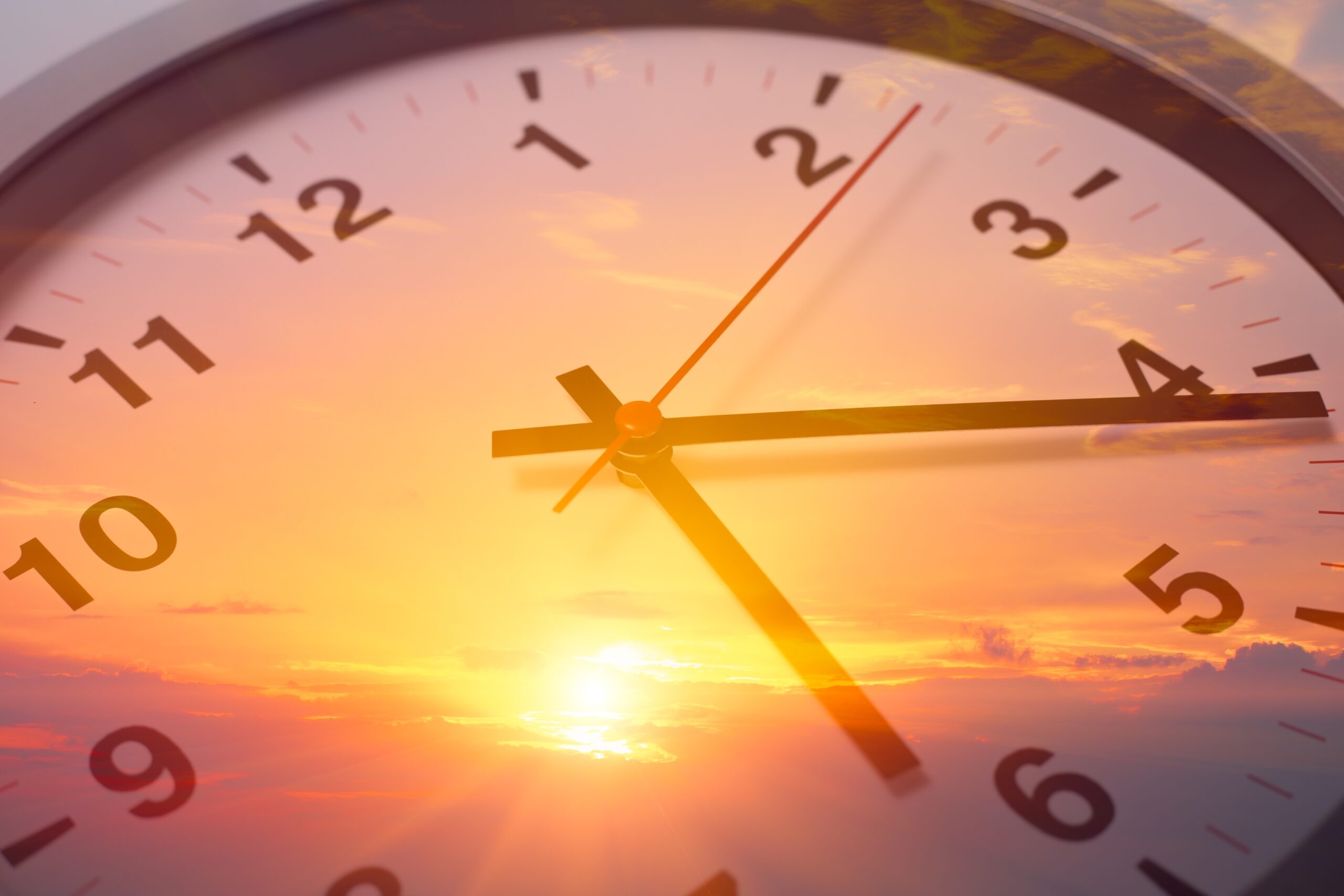
The official change happens at 2:00 AM on Sunday, March 8, 2026.
At that moment, clocks skip forward to 3:00 AM. You lose one hour of sleep.
The way to avoid confusion or scheduling problems is simple. What you do is move your clocks forward before you go to bed Saturday night, tonight, and wake up already adjusted.
Your phone, laptop, and most smart devices do it automatically.
The clocks you need to change yourself are limited to your microwave, oven, car dashboard, wall clocks, and anything else that doesn’t connect to the internet.
Why Do We Call It Springing Forward?
The phrase “spring forward, fall back” is the trick people use to remember which direction the clocks move depending on the time of year.
In spring, clocks move forward, you lose an hour.
In fall, clocks move back, you gain one.
It’s the only mnemonic in American life that actually works, which is why it has survived longer than daylight saving time probably should have.
How Long Does Daylight Saving Time Last In 2026?
Daylight saving time runs from March 8 through November 1, 2026.
That is nearly eight months of the year, giving the country more time on daylight saving than on standard time.
At 2:00 AM on Sunday, November 1, clocks fall back one hour to 1:00 AM. You get the hour back. The evenings go dark again.
Which States Don’t Observe Daylight Saving Time?
Two states don’t do any of this: Arizona and Hawaii.
Arizona opted out permanently in 1968, with the exception of the Navajo Nation, which observes daylight saving time because its land crosses state lines into New Mexico and Utah.
Hawaii opted out even before that, mainly because the state is close enough to the equator that seasonal daylight variation is minimal, making the time shift pointless.
Every other US state changes their clocks tonight.
Why Do We Still Change Clocks Twice A Year?
This is the question everyone asks in March and November and then forgets about shortly afterwards. The honest answer is simple. It’s inertia, failed legislation, and a myth about farmers that was never true.
Daylight saving time was not invented to help farmers. Farmers historically opposed it because it disrupted their relationship with natural light and their animals, who do not care what the clock says.
The practice was first adopted nationally during World War I as an energy-saving measure, brought back during World War II for the same reason, and standardized under the Uniform Time Act of 1966.
A 2008 study in Indiana, which had not observed daylight saving time statewide until that year, found that after the change, residential electricity use actually went up.
People were running air conditioning during the longer, hotter evenings. The logic that more daylight means fewer lights does not hold in the age of air conditioning, streaming, and phones that are on until 2 AM regardless.
Will Daylight Saving Time Ever Be Permanent?
It came close. The Sunshine Protection Act, which would have made daylight saving time permanent year-round, passed the US Senate unanimously in 2022.
It died in the House without a vote. It was reintroduced in 2023. It died again. It came back in 2025. Same result.
As of March 2026, Americans are still changing their clocks twice a year.
The debate over which time to make permanent, standard time or daylight saving time, is where the bill keeps getting stuck.
Sleep researchers and medical groups generally favor permanent standard time, arguing it aligns better with natural light and human circadian rhythms.
The hospitality, retail, and golf industries favor permanent daylight saving time because people spend more money when evenings are bright. Neither side has enough force to push it through.
When Did Daylight Saving Time Start In The United States?
The United States first adopted daylight saving time nationally in 1918 under the Standard Time Act, as a wartime energy measure.
It was repealed after World War I ended, reinstated during World War II, and then became a chaotic patchwork of local rules until the Uniform Time Act of 1966 standardized it nationwide.
That law established the current system: clocks spring forward the second Sunday of March and fall back the first Sunday of November.
That schedule has been in place for nearly sixty years. It will be in place again tonight.
Set your clocks forward before you go to sleep.
Read more from Artvoice.