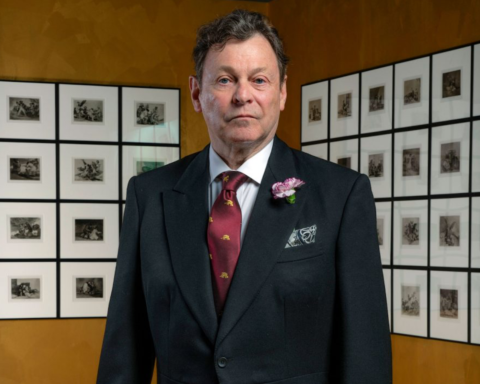

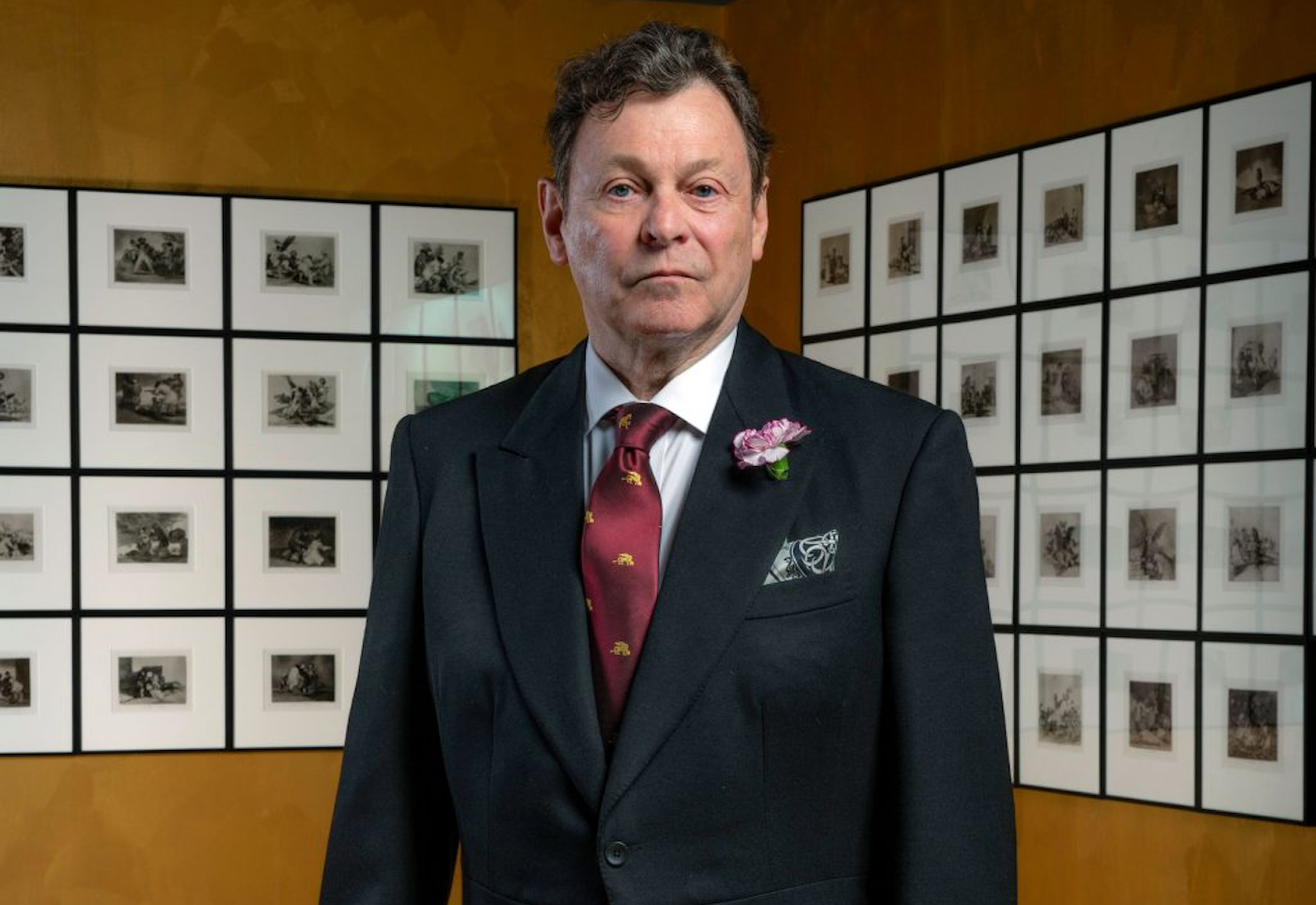
Bruce Bailey is an Ontario-based philanthropist, art collector, curator, and arts patron whose work has connected artists with institutions across Canada and internationally. Originally trained in law, with degrees from Queen’s University and Dalhousie University, and an LL.M. from Columbia University, he later focused on contemporary art through collecting, curating, and philanthropy.
As the founder of Bruce Bailey Fine Art Projects, he created a platform for early exhibitions, introducing up-and-coming artists to galleries and museums. His ongoing work with institutions such as the Montreal Museum of Fine Arts, as well as his involvement in a wide range of artistic initiatives, including the Venice Biennale, has contributed to expanding museum programming and international exposure for artists.
Q: What first led you from law and finance into contemporary art?
Bruce Bailey: My interest in art developed alongside my professional work. While practicing law and working in investment banking, I spent much of my time visiting galleries, meeting artists, and learning how collections are built. I soon began collecting art myself, and over time, it became more focused and intentional. I was drawn to the intellectual side of art, the conversations around it, and the opportunity to support artists at meaningful points in their careers. That gradual shift led me to devote more time and resources to the arts, eventually becoming my primary focus.
Q: Bruce Bailey Fine Art Projects has played an early role for many artists. What was your vision for it?
Bruce Bailey: I wanted to create a setting where artists could present their work seriously at an early stage. The first exhibition can be decisive in how an artist is received and how much exposure they can get going forward. Through Bruce Bailey Fine Art Projects, I organized exhibitions in Toronto that gave artists a platform to show ambitious work and connect with collectors, curators, and galleries. Artists such as Kent Monkman, Peter Doig, Ryan McGinley, and Christian Jankowski were previously part of the program. The aim was to help them build momentum and enter institutional conversations at the right moment to help their artistic careers take off.
Q: You have had a long relationship with the Montreal Museum of Fine Arts. How has that influenced your work?
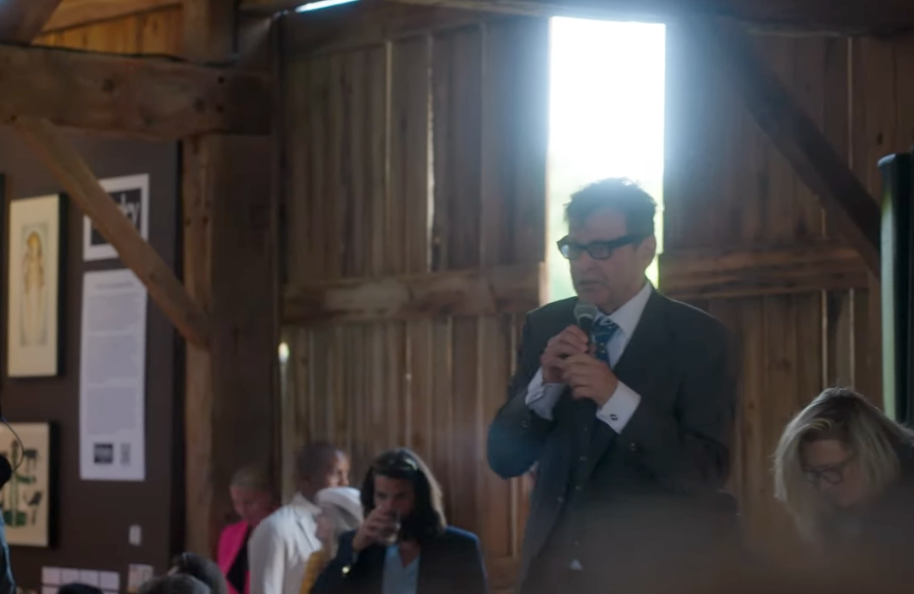
Bruce Bailey: Working with the Montreal Museum of Fine Arts has provided a deeper involvement and understanding of how collections evolve within an institutional context. Serving on the acquisition committee allowed me to engage with curators and directors on questions of quality, relevance, and long-term stewardship. Beyond that role, I have supported exhibitions, contributed works from my personal collection to the museum, and helped organize fundraising initiatives, such as Bruce Bailey’s Canadian Fête Champêtre. These experiences have reinforced the importance of collaboration between private collectors and public institutions.
Q: Your support extends to international exhibitions and major institutions. What drives that commitment?
Bruce Bailey: There is real value in presenting artists within an international context. Participation in exhibitions such as the Venice Biennale, as well as in projects with the National Gallery of Canada, has created visibility that shapes an artist’s career over time. For example, in my 2024 Venice Biennale exhibition, I was able to introduce the work of the superb Canadian artist Tyler Bright Hilton, which garnered him international attention from important curators, museums, and art collectors. Across the programs I support, my involvement takes various forms, including lending works, supporting exhibitions, and helping facilitate introductions. These efforts contribute to a larger network in which artists, institutions, and audiences intersect in meaningful ways that benefit one another.
Q: Espacio Bruce Bailey in Barcelona expands your work internationally. What role does it play?
Bruce Bailey: Espacio Bruce Bailey was established to extend the ideas behind my work in Canada into an international setting. Located in Barcelona’s Gothic Quarter, it functions as both an art gallery and an artist residency. Artists can spend time there, produce work, and engage with a different cultural environment. That exchange brings new perspectives into their practice and creates connections with curators and institutions across Europe. It also allows Canadian artists to participate in a wider dialogue.
Q: Your philanthropy includes both visual arts and performing arts. How do you view that connection?
Bruce Bailey: I see the arts as part of a larger cultural ecosystem. Supporting institutions such as the Canadian Opera Company and Canada’s National Ballet School are also part of my broader commitment to artistic production and education. These organizations require sustained support to maintain their standards and develop future talent. Whether through museum exhibitions or live performance, my objective is to contribute to a vibrant cultural environment that benefits both artists and audiences, regardless of their artistic focus.