Zach Witkoff Speaks Out Against Justin Sun
The relationship between TRON founder Justin Sun and World Liberty Financial, the crypto project co-founded by members of the Trump family and Zach Witkoff, son of Steve Witkoff, President Trump's Middle East envoy, has deteriorated from an early investment partnership into a federal lawsuit, a counter-suit, a competing arbitration battle and a public war of words that has drawn in Eric Trump, the Securities and Exchange Commission and now a California federal judge.
On August 20, 2026, U.S. District Judge James Donato ruled that Sun's personal claims against World Liberty Financial would remain in open federal court, a procedural defeat for WLFI, which had tried to push the dispute into private arbitration and simultaneously sought to seal documents from public view.
The court directed the parties to negotiate separately over which claims brought by Sun's two corporate entities, Blue Anthem Limited and Black Anthem Limited, might proceed in arbitration. Sun's individual claims are staying in public. So is the story.
This is how it got here, what it means and why the Tether and USD1 angle is the piece everyone should be watching most carefully.
How Justin Sun Became World Liberty Financial's Biggest Problem
Justin Sun invested $45 million in WLFI's early token sale in the fall of 2024, an infusion that Sun's complaint credits with turning a struggling raise into one that eventually reached $550 million.
He was, by any measure, one of the most important early backers of a project that needed credibility.
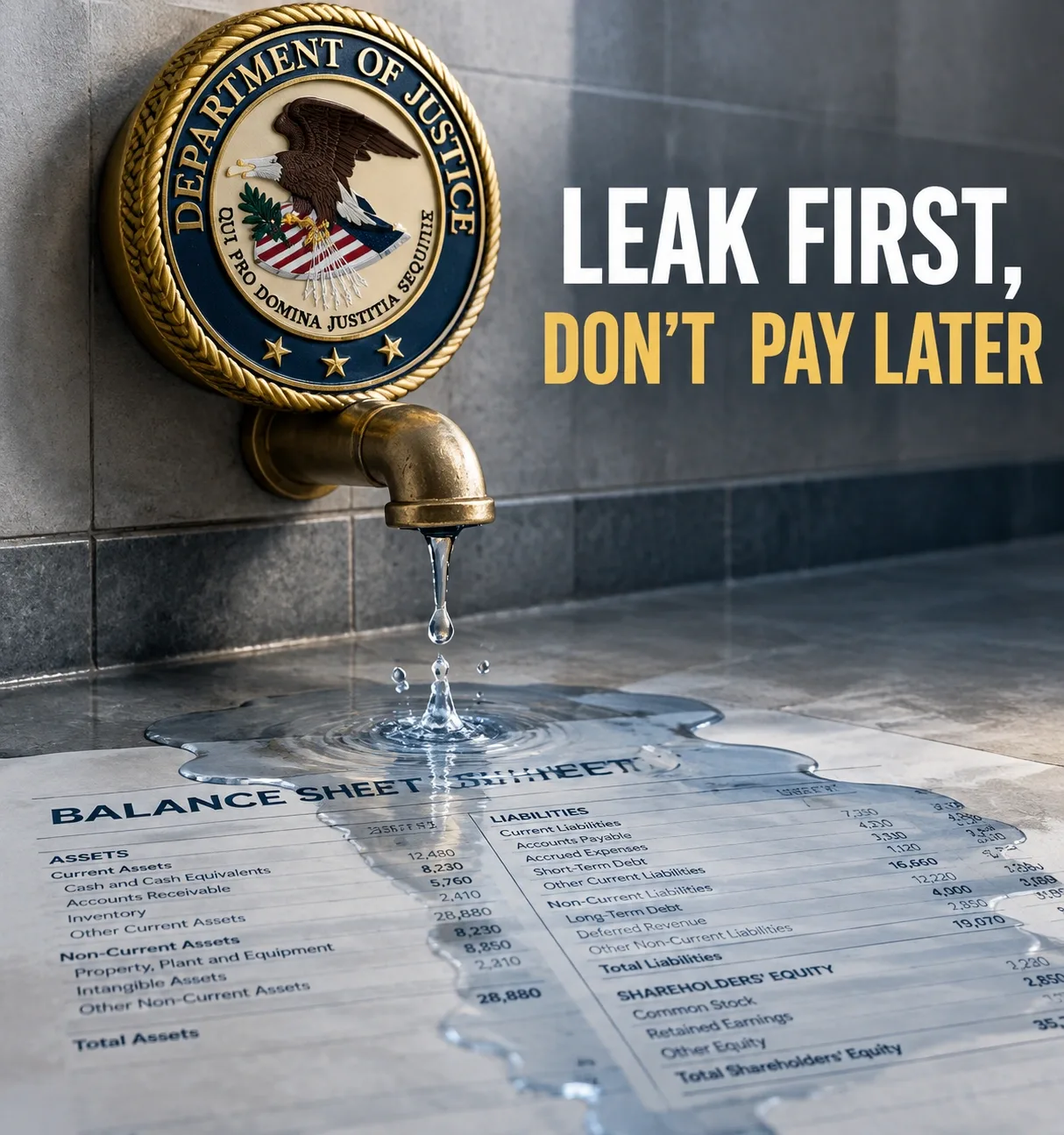
The relationship ended badly. Sun's April 21, 2026 lawsuit in California federal court alleges that WLFI froze approximately 4 billion of his WLFI tokens, confirmed to represent roughly $9 million at the time of the freeze, using a hidden administrative function embedded in the project's smart contract.
According to the complaint, this freeze function was never disclosed to token buyers and gave WLFI the technical ability to freeze, restrict or destroy any holder's tokens without warning or consent.
Sun claims the freeze was triggered after he refused WLFI's demand that he invest hundreds of millions more into the project's USD1 stablecoin, and that the freeze was retaliation for asserting his legal rights rather than complying.
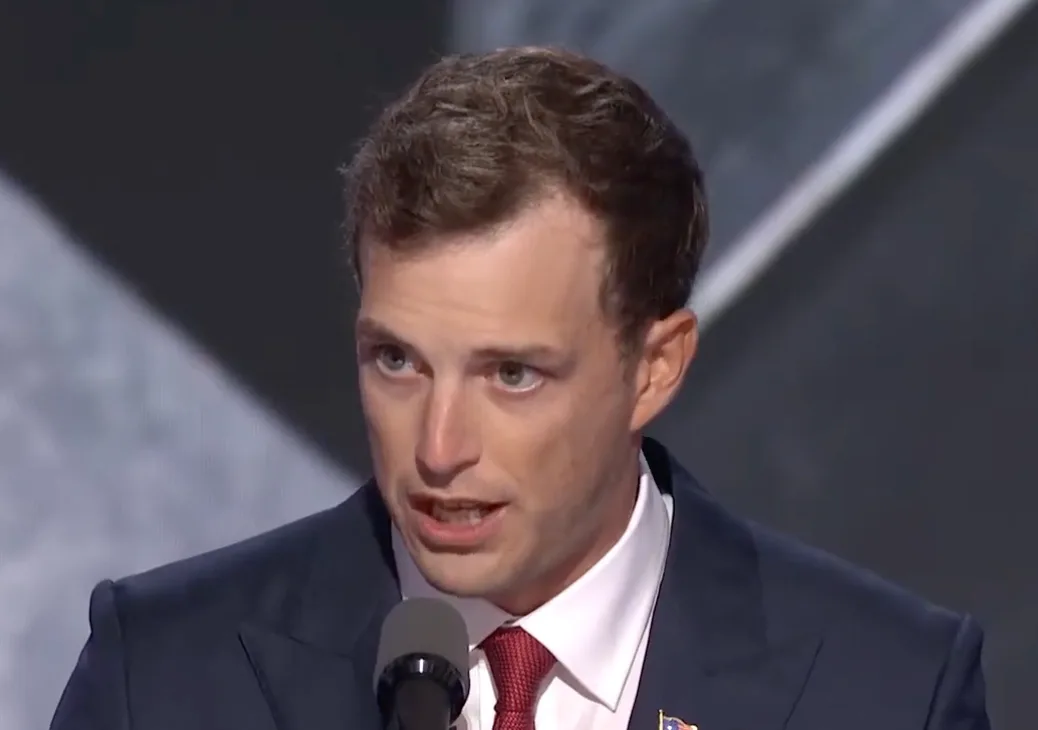
WLFI has denied every material allegation. Zach Witkoff called the lawsuit a "desperate attempt to deflect attention from Sun's own misconduct" and said the claims were entirely meritless.
Eric Trump called the case frivolous on social media and praised the WLFI team publicly. WLFI filed its own counter-suit in Florida state court in May 2026, alleging Sun ran a "scorched-earth pressure campaign" against the project after his tokens were frozen, publicly calling WLFI "World Tyranny" and referring to its officials as "bad actors."
WLFI seeks jury trial and undisclosed damages. Neither side has been adjudicated. The competing narratives are now a matter of public record.
A California court separately issued a preliminary injunction barring WLFI from destroying or reallocating Sun's tokens while the litigation proceeds. That protective order is the reason Sun's holdings have not disappeared despite the freeze.
The USD1 Stablecoin And The Freeze Function
The most significant allegation in Sun's lawsuit is not about his own tokens. It is about USD1.
USD1 is World Liberty Financial's stablecoin, a dollar-pegged digital currency launched in 2025 and backed, according to WLFI, by short-term U.S. Treasuries and cash-equivalent assets.
As of August 2026, it carries approximately $4 billion in market capitalization. The Office of the Comptroller of the Currency has a pending application for final approval of a proposed WLFI trust bank that would handle USD1 issuance and reserves.
Sun's lawsuit alleges USD1 contains the same hidden freeze and burn controls as WLFI's governance token. That allegation, if proven, is not just a problem for WLFI, it is a problem for every business, bank or government that has agreed to hold or transact in USD1.
A stablecoin with an undisclosed administrative kill switch is not a stablecoin in any meaningful sense of the word. It is a permissioned instrument controlled by a single party with the power to unilaterally seize or destroy balances at will.
WLFI has not publicly addressed the USD1 freeze function allegation directly. The OCC's pending application now occurs in the shadow of public litigation that includes these specific claims.
If upcoming discovery produces documents showing USD1's smart contract architecture, regulators and institutional partners will have their answer. That is the specific reason WLFI wanted documents sealed and claims moved to private arbitration.
It is also the specific reason the California court's August 20 ruling matters so much.
Tether, the issuer of USDT, the world's largest stablecoin, has watched the USD1 situation closely. Tether's own reserve transparency has been a subject of scrutiny for years.
A competitor stablecoin that faces federal litigation over undisclosed administrative controls puts pressure on every major stablecoin issuer to demonstrate their contracts are what they claim to be.
Tether posted a public statement emphasizing that USDT's smart contracts are audited and publicly verifiable. The implicit message: they are not World Liberty Financial.
What The August 20th Court Ruling Means For Token Holders
The procedural ruling of August 20 is not a finding on the merits. Judge Donato did not determine whether WLFI froze Sun's tokens improperly, whether the smart contract contains undisclosed controls, or whether WLFI owes Sun damages.
He ruled on a narrower question: where does this dispute get resolved? The answer is in open court, not in a private forum with sealed records.
That matters for several reasons.
Discovery in open federal court means documents, internal communications, technical specifications and financial records could become part of the public record.
If WLFI's smart contracts contain the freeze and burn functions Sun alleges, discovery will surface that code. If WLFI posted five billion tokens as collateral on Dolomite, a lending platform co-founded by WLFI's own chief technology officer, to borrow approximately $75 million in stablecoins, those transactions will be examined. If USD1's reserves are what the OCC application claims, the documentation will appear.
For ordinary WLFI token holders who are not Justin Sun, the question the ruling raises is simpler: if the project's smart contract can freeze the largest investor's tokens without warning, what protects any other holder? WLFI has said its actions were taken to protect token holders. The court will eventually evaluate whether that framing is accurate.
The broader crypto implication is about what smart contract transparency actually requires. DeFi's foundational promise is that code governs everything openly and without hidden human intervention.
A project that advertises decentralization while embedding freeze and burn functions in its smart contract, and then uses those functions against an investor who refuses a financial demand, is not a DeFi project. It is a centralized platform with a decentralized aesthetic.
That distinction is what Sun's legal team will argue, and it is the argument that could eventually reach beyond this specific case to reshape how regulators evaluate smart contract disclosures across the industry.
The case is docketed as Sun et al. v. World Liberty Financial LLC, No. 3:26-cv-03360-JD in the Northern District of California. No trial date has been set. The parties are still negotiating which of the corporate entity claims move to arbitration.
A motion to dismiss filed by WLFI remains stayed pending further order. Everything about this case is ongoing. The August 20 ruling just made sure it stays that way in public.