
OpenAI announced on Tuesday that it is discontinuing Sora, its AI video generation platform, just six months after launching the standalone app to widespread fanfare.
The app, the API, and video functionality within ChatGPT are all going away. And the $1 billion deal Disney signed with OpenAI in December, the one that was supposed to bring more than 200 Disney, Marvel, Pixar, and Star Wars characters to Sora, is dead along with it.
“We’re saying goodbye to Sora,” the Sora team wrote in a post on X.
“To everyone who created with Sora, shared it, and built community around it: thank you. What you made with Sora mattered, and we know this news is disappointing. We’ll share more soon, including timelines for the app and API and details on preserving your work.”
OpenAI CEO Sam Altman announced the changes internally on Tuesday. The Wall Street Journal, which first reported the shutdown, said the move is part of a broader effort to refocus on business and coding functions ahead of a potential IPO as soon as the fourth quarter of this year.
What Happened To Sora?
OpenAI first previewed Sora in February 2024, and the reaction was immediate and dramatic.
The text-to-video model could generate stunningly realistic footage, specific camera movements, vivid background detail, complex sequences, from a single prompt.
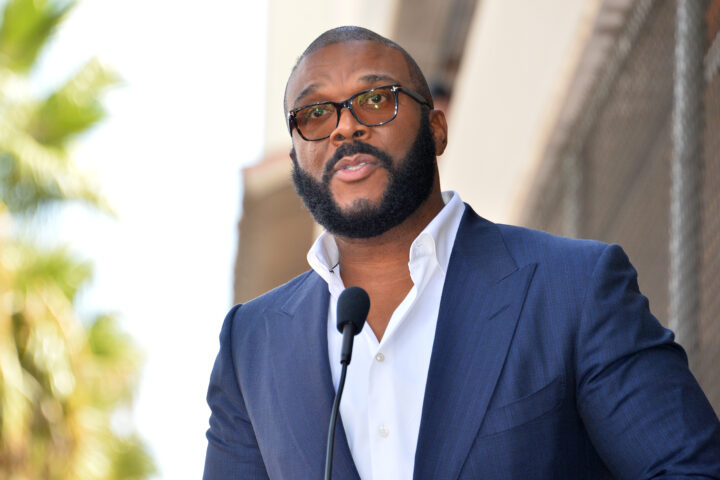
The announcement was significant enough that filmmaker Tyler Perry put a planned $800 million studio expansion on hold, citing the implications for production costs.
When the standalone Sora app launched in late September 2025, it hit one million downloads in under five days and shot to the top of Apple’s App Store.
But the initial excitement didn’t hold. The app launched with effectively no restrictions on using copyrighted material or real people’s likenesses, which immediately drew backlash from Hollywood.
OpenAI backtracked within days, tightening IP controls and building in opt-out mechanisms for rights holders, but the damage to user momentum was significant. Sora 2, the updated version that launched later in the fall, required IP owners to proactively flag that they wanted their content excluded, which drew a formal protest letter from Japanese content trade group CODA, whose members include Studio Ghibli.
The free tier was quietly discontinued in January 2026 after being progressively restricted. By the time of Tuesday’s announcement, the app had long since fallen from its early App Store ranking.
In a statement to CBS News, an OpenAI spokesperson framed the shutdown not as a failure but as a reallocation of resources, “We’ve decided to discontinue Sora in the consumer app and API. As we focus and compute demand grows, the Sora research team continues to focus on world simulation research to advance robotics that will help people solve real-world, physical tasks.”
Why The Disney Deal Is Off
In December 2025, Disney announced a three-year licensing agreement with OpenAI that seemed to signal a sea change in Hollywood’s relationship with AI.
Under the deal, Sora users would have been able to generate videos featuring more than 200 characters from across Disney, Marvel, Pixar, and Star Wars.
Disney also committed to a $1 billion investment in OpenAI, pledged to become a major ChatGPT enterprise customer, and agreed to host curated Sora-generated videos on Disney+.
It was the biggest and most high-profile AI licensing deal Hollywood had seen, brokered by then-CEO Bob Iger as one of his final major moves before stepping down.
All of it is now off. “The deal is not moving forward,” an insider told Deadline. Disney said in a statement,
“As the nascent AI field advances rapidly, we respect OpenAI’s decision to exit the video generation business and to shift its priorities elsewhere. We appreciate the constructive collaboration between our teams and what we learned from it, and we will continue to engage with AI platforms to find new ways to meet fans where they are while responsibly embracing new technologies that respect IP and the rights of creators.”
How much of the $1 billion Disney had actually transferred to OpenAI, and how the unwinding of the deal will work financially, has not been confirmed.
Why Is OpenAI Doing This Now?
The shutdown is one piece of a larger strategy shift that has been building for several weeks. OpenAI is currently consolidating its product lineup ahead of an expected IPO.
Earlier this month, the company announced plans to combine its Atlas web browser, ChatGPT app, and Codex coding app into a single desktop super app. On the same day as the Sora announcement, it also said it was discontinuing its Instant Checkout shopping feature.
OpenAI’s CEO of Applications, Fidji Simo, recently told staff the company is “orienting aggressively” toward high-productivity use cases and enterprise customers, the territory where Anthropic has built substantial momentum with Claude.
The picture that emerges is a company that expanded rapidly across consumer products and is now trimming back to its core, getting leaner before going public.
Sora was resource-intensive, its user base had stalled, and it was attracting ongoing IP liability. In that context, the timing of the shutdown makes sense, even if the six-month turnaround from launch to closure is striking.
OpenAI has not announced a timeline for when the app and API will formally go dark, but said it will share details on preserving users’ existing work.
Video generation is not going away entirely from OpenAI’s ecosystem, the company indicated AI video may surface as a feature inside ChatGPT, but the standalone Sora platform, and the social video-sharing vision that came with it, is done.