Nia Long Defended The Michael Jackson Biopic And Got A Key Fact About His Abuse Allegations Wrong
The Michael Jackson biopic Michael opens in theaters on April 24, 2026, and the question surrounding it has not changed since the first trailer dropped.
Why does a film about Michael Jackson end in 1988, five years before the first child sexual abuse allegations against him were made?
Additionally, what does that decision say about what kind of film this is?
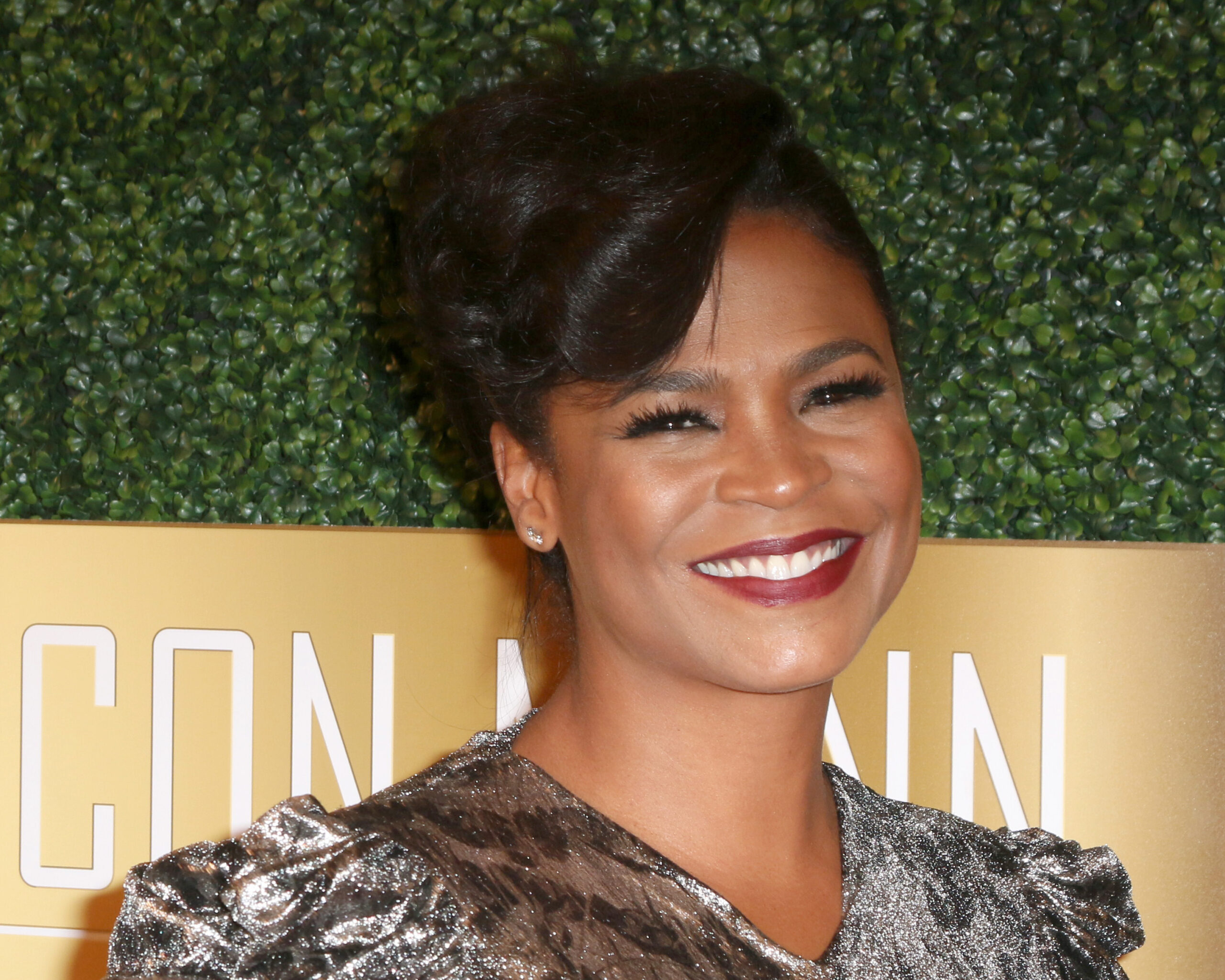
Colman Domingo and Nia Long went on TODAY with Craig Melvin on April 22 to answer that question.
They defended the film’s scope. And in doing so, Domingo made a factual error about Michael Jackson’s own history that the internet immediately noticed.
What Did Long and Domingo Say?
Melvin asked Domingo and Long directly. What would they say to people who feel the film “whitewashed that part” of Michael Jackson’s life? Domingo took the lead.
“The film takes place from the ’60s to 1988,” he said. “So it does not go into the first allegations in, what, 2005?”
The first allegations against Michael Jackson did not surface in 2005. They surfaced in 1993, when Evan Chandler accused Jackson of sexually abusing his 13-year-old son Jordan.
Jackson settled that civil suit out of court for a reported $23 million in 1994.
The 2005 date Domingo cited is the year Jackson was acquitted at criminal trial on charges involving a different accuser. The two events are more than a decade apart. Domingo appears to have conflated them.
Nia Long offered the film’s framing from a different angle. The goal of the biopic, she said, was to tell Jackson’s story “through his eyes. Through his eyes, truly.”
The film is written from MJ’s perspective, his roots, his family, his rise, his search for his voice as a solo artist. That chapter of his life, Long and Domingo argued, ends before the allegations begin.
Domingo also raised the possibility of a sequel. “There’s the possibility of there being a Part 2 that may deal with some other things that happened afterward,” he said. “This is about the making of Michael, how he was raised and then how he was trying to find his voice as an artist and be a solo artist.”
The Real Reason The Third Act Was Cut
What Domingo and Long did not address in their TODAY interview, and what most of the coverage around the film’s defense has glossed over, is that the decision to end the film in 1988 was not purely an artistic one.
According to reporting from Variety, the original version of Michael did include a third act covering the child sexual abuse allegations.
After principal photography wrapped in May 2024, a clause was discovered in a legal settlement with one of Jackson’s accusers that legally restricted the film from depicting or mentioning those allegations.
Lionsgate was required to remove the entire third act. The studio then undertook 22 days of reshoots in June 2025 to build a new ending and expand earlier sections of the film.
The original cut reportedly ran 3.5 hours. The released version runs just over two hours.
Roughly 30 percent of the cut footage is reportedly being held for a potential sequel, contingent on the first film’s box office performance.
The delay from the original April 2025 release date to April 24, 2026 was a direct result of this legal discovery and the subsequent reshoots.
So when Domingo says the film “takes place from the ’60s to 1988” and therefore simply doesn’t cover a chapter that hadn’t happened yet, that is not the whole story.
The film was originally planned to cover more. A legal settlement changed what it could show. What audiences are seeing in theaters is the version that exists after a legally mandated restructuring of the third act.
Who Do Nia Long And Colman Domingo Play?
Domingo plays Joe Jackson, Michael’s father, the patriarch of the Jackson family, a man whose disciplinary methods and management of his children’s careers are among the most scrutinized aspects of the Jackson story.
Long plays Katherine Jackson, Michael’s mother, a woman widely described as the emotional center of the family and a stabilizing force against Joe’s harsher treatment of his children.
Both are central to any honest accounting of who Michael Jackson was and how he was shaped.
Domingo earned Oscar and Emmy nominations before this role. Long has been working in film and television since the early 1990s, known for Boyz n the Hood, Friday, The Best Man, and Big Momma’s House.
Neither is a marginal presence in the film. They are playing the two people most responsible for what the biopic frames as the making of Michael.
Director Antoine Fuqua cast them knowing the scrutiny their roles would attract. The film’s premise, that you can tell a complete and meaningful story about Michael Jackson while ending in 1988, requires that the portrayal of Joe and Katherine be emotionally sufficient on its own terms, without the shadow of what came after.
What Are The Critics Saying About The Film?
The critical reception to Michael has been broadly negative, though with a consistent exception.
Reviewers across the board have praised Jaafar Jackson’s performance as his late uncle, describing it as a standout impression of MJ’s voice, movement, and stage presence.
The musical sequences have also drawn strong reviews. The problems critics identify are structural and editorial.
Peter Bradshaw at The Guardian gave it two out of five stars:
“Jaafar fabricates Michael’s onstage dancing and singing style with terrific, intuitive flair… But this is a frustratingly shallow, inert picture, a kind of cruise-ship entertainment, which can’t quite bring itself to show that Michael was an abuse victim, brutalised by his father and robbed of his childhood.”
The Telegraph’s Robbie Collin said the film “refused to address the elephant in the room” and argued it was not credible for a Jackson biography to avoid addressing “the accusations, controversies and sadness that dogged his later life.”
The IndieWire critic wrote that by omitting the allegations, the film creates a fundamental credibility problem.
The Independent’s Clarisse Loughrey noted something others also flagged.
The film includes multiple sequences of Jackson visiting sick children in hospitals and repeated references to the Neverland Ranch, places and situations that carry unavoidable weight in the context of the abuse allegations, without acknowledging what that context is.
Audiences have reacted differently. The film opened to a 96 percent audience score on Rotten Tomatoes from more than a thousand ratings, and box office projections put the worldwide opening weekend at $140 to $150 million.
Lionsgate is reportedly targeting $700 million globally, hoping to replicate the commercial success of Bohemian Rhapsody and Elvis.
The Leaving Neverland Director’s Response
Dan Reed, who directed the 2019 HBO documentary Leaving Neverland featuring the testimonies of Wade Robson and James Safechuck, both of whom allege Jackson sexually abused them as children, had read an early draft of the script before release and called it “startlingly disingenuous,” saying it discredited both accusers.
After the film opened, he told The Hollywood Reporter his views had not changed. He criticized what he described as financial incentives in the media ecosystem surrounding anything Jackson-related:
“There’s a ton of money to be made by any kind of association with the Jackson IP.”
MJ’s nephew Taj Jackson offered the counter on X:
“Sorry media, you don’t get to control the narrative anymore of who Michael Jackson truly was. The public gets to watch this movie… they will decide for themselves.”
Producer Graham King had said before the film’s release that his goal was to “humanise but not sanitise.”
Whether the film achieved that, or whether a legal settlement, a restructured third act, and two hours that end in 1988 make sanitization the only available word, is what the debate is about.