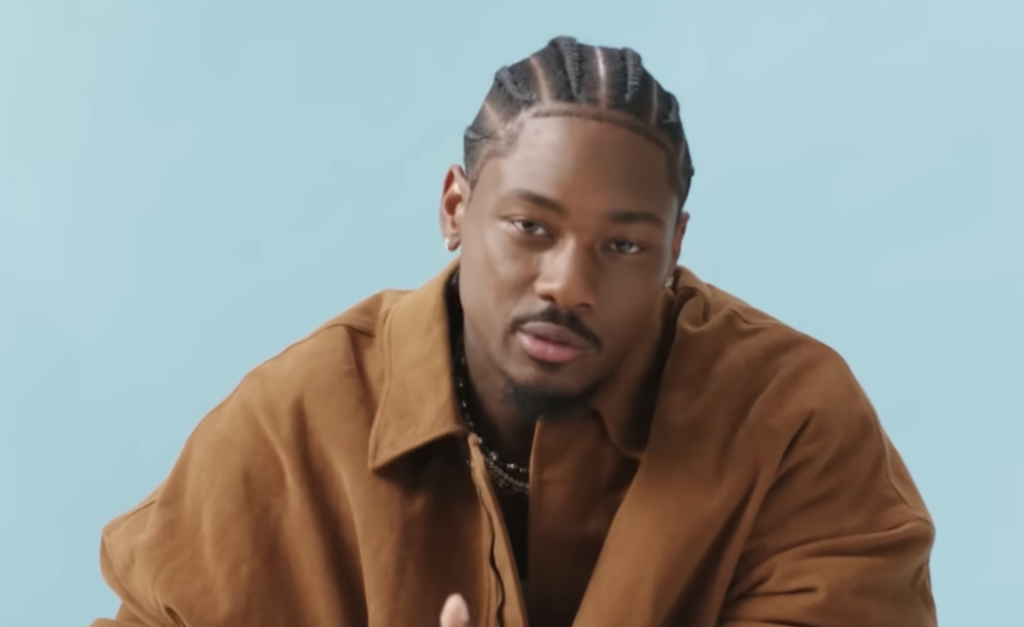

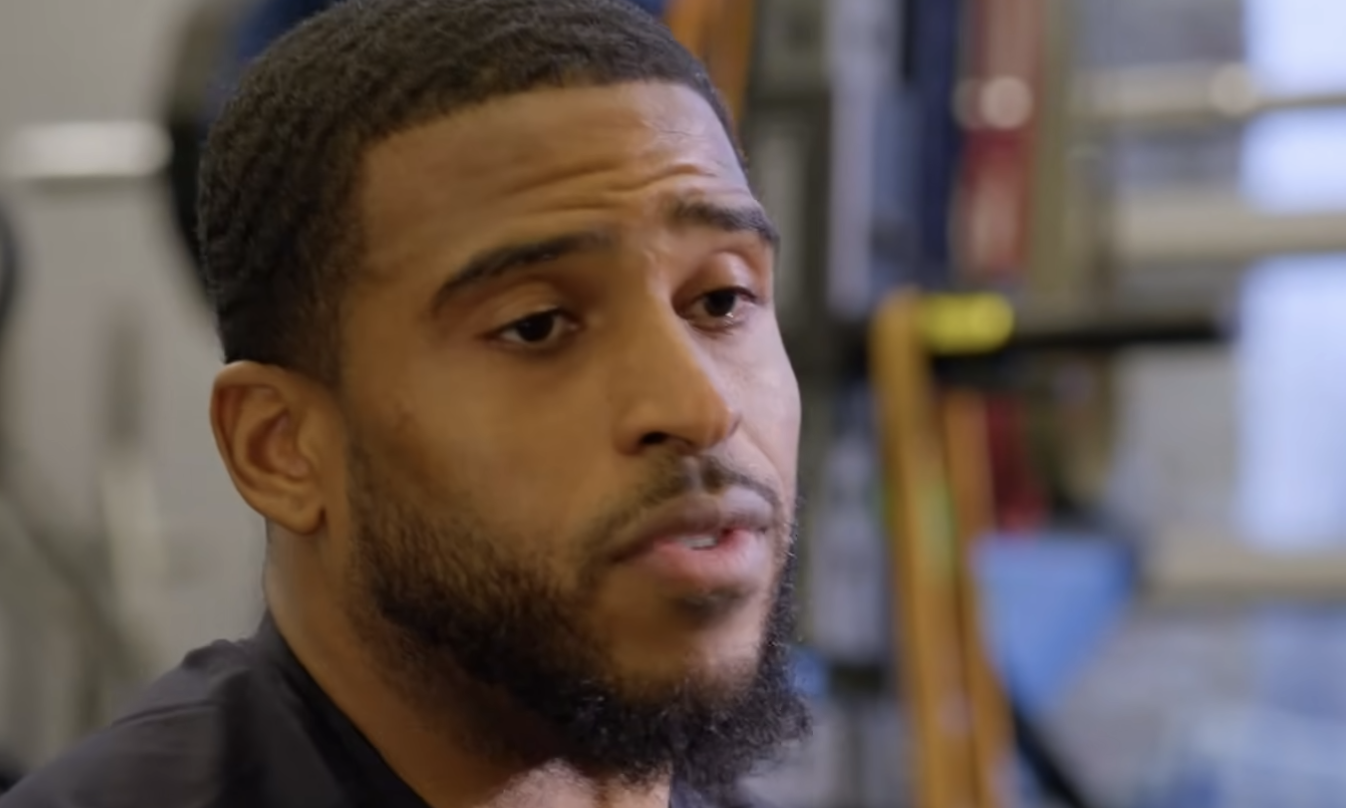
Bobby Wagner received an Honorary Doctorate of Humane Letters from Utah State University on Wednesday evening April 29, 2026, at the school’s 139th commencement ceremony in the Dee Glen Smith Spectrum in Logan, and the moment he stood before 6,335 graduates and their families with a doctoral hood around his shoulders, he made one thing immediately and emphatically clear.
“If you didn’t know, my name is now Dr. Bobby Wagner. And to any family members here, you need to update my name in your phone. It’s ‘Dr.’ now. I will no longer respond to ‘Bobby.’ It’s Dr. only.”
The crowd loved it. The graduates who had just spent years earning their own degrees appreciated the humor.
Underneath the joke was a moment that was genuinely meaningful, a 14-year NFL veteran, a Super Bowl champion, a 10-time Pro Bowler, returning to the university that gave him his start when no one else was calling.
The School That Made Him
Bobby Wagner grew up in Ontario, California and attended Colony High School, where he played linebacker and tight end with enough ability to attract attention but not enough nationally recruited interest to generate the scholarship offers he might have expected.
When Utah State came calling, it was not the obvious dream destination. It was the school that said yes.
His response to the offer was honest and immediate. “I can’t do this,” he told his mother.
Her response was equally direct. She told him that he either accepted the scholarship or he was not coming back home. He went to Logan.
His freshman year at Utah State was the hardest year of his life. His mother died while he was a student.
He was hundreds of miles from home, playing for a program that was rebuilding, in a state that was nothing like Southern California. He could have left. He stayed.
He became one of the greatest defenders in the program’s history, a four-year starter who appeared in 46 of a possible 48 games, recorded 446 career tackles to tie the school record, added 29.5 tackles for loss and 4.5 sacks, earned three first-team All-Western Athletic Conference selections and the WAC Defensive Player of the Year award in his senior season, and helped lead Utah State to its first bowl game appearance in 14 years.
He was inducted into the Utah State Athletics Hall of Fame. And this week, the university announced that his No. 9 jersey will be retired, a ceremony to be held at a halftime during either the 2026 or 2027 football season, whenever his availability allows.
He will become only the third player in program history to receive that honor, joining Merlin Olsen and Elmer “Bear” Ward.
“I had a dream,” Wagner told the audience Wednesday, “and the dream would’ve stopped had Utah State not given me the opportunity.”
He said it the way people say things they have thought about for years, not as a polished talking point but as a simple statement of fact.
The Speech That Followed
Wagner addressed the graduating class as both commencement speaker and honorary degree recipient, a dual role that placed him at the center of the evening’s most significant recognition.
USU President Brad Mortensen presented the honorary degrees, noting before Wagner’s turn that the Board of Trustees recognizes each year the individuals who “represent the very best of what it means to be an Aggie.”
Once the hood was placed and the degree was presented, Wagner gave a speech organized around three principles he wished someone had told him when he was sitting where the graduates were sitting.
Build real connections with the people around you. Stay honest about who you are. Pursue your goals without letting fear make the decisions.
The networking message was the one that landed with the most practical weight.
Wagner described how the shift from being warned as a child not to talk to strangers to being encouraged as an adult to network is one of the stranger transitions of growing up, and how the Aggie alumni network specifically had opened doors he did not know existed.
“Something that I wish people would’ve told me when I was in college was the power of networking,” he said. “It’s funny, because when we’re growing up as kids, we’re taught, ‘Don’t talk to strangers.’ Then when you grow up, talking to strangers is called networking.”
He credited specific people from the Aggie network, former Nike brand president Charlie Denson among them, with helping him understand that the connections he made through Utah State had value that extended far beyond football.
“I truly believe that the Aggie alum and this Aggie family is something beautiful that we should appreciate, and we should really take into account, because they want to see you win, just like I want to see you guys win,” he said.
Near the close of his speech, he reached for the sound that has defined Aggie football since before he arrived in Logan, the student section in the Hurd singing “I believe that we will win” during games at the Spectrum. He reminded the graduates that the word in that chant that matters most is not the last one.
“It’s really ‘We,’ us together. Always trying to win, trying to show those other Utah places that they’re not Utah State.”
He could not resist one specific trash-talk moment that the audience clearly enjoyed. “I don’t know, Stanford’s cool, but it’s not Utah State.”
The Career He Built After Logan
The Seattle Seahawks selected Wagner in the second round of the 2012 NFL Draft and he immediately became one of the cornerstones of one of the most celebrated defenses in professional football history.
The Legion of Boom, the collective identity of Seattle’s defensive unit in the early 2010s, was built around players like Richard Sherman, Earl Thomas and Kam Chancellor.
Bobby Wagner was the spine of it. The middle linebacker who communicated the system, made the calls, and physically executed at a level that made every player around him better.
He won Super Bowl XLVIII with Seattle. He went to the Pro Bowl ten times. He earned six first-team All-Pro honors. He was named to the NFL’s All-Decade Team for the 2010s.
He accumulated more than 2,000 career tackles and 39.5 sacks across 14 seasons with Seattle, the Los Angeles Rams, and most recently the Washington Commanders.
On February 5, 2026, he received the Walter Payton NFL Man of the Year Award for the 2025 season, the league’s highest honor for community service and civic engagement, given to the player who best demonstrates excellence on and off the field.
The award reflects work Wagner has done throughout his career in the Seattle community and beyond, including his role as a minority owner of the WNBA’s Seattle Storm.
What Is Next For Wagner?
Wagner is currently a free agent. His one-year deal with the Washington Commanders expired and he has not formally announced retirement.
NFL insider Jordan Schultz reported in March that Wagner plans to return for what would be his 15th professional season.
If that happens, whoever signs him gets a linebacker who was still productive in 2025 and who brings the kind of veteran leadership that rebuilding rosters and developing young defenders cannot easily find elsewhere.
He turns 36 before the 2026 season begins. The market for him is real — Spotrac projects his value at approximately one year and $7.68 million.
On Wednesday night in Logan, none of that was the subject. Wednesday was about the place that made it possible.
The scholarship his mother insisted he take. The teammates and coaches who believed in him when he was grieving.
The alumni network that opened doors. The 446 tackles and the bowl game and the jersey they are retiring.
“Sometimes the place that you least expect to be,” Wagner told the graduates, “is the place that you’re exactly supposed to be.”
He meant Utah State. He said it with the certainty of someone who spent 14 years in the NFL proving it.
Dr. Bobby Wagner. Update your phones accordingly.