
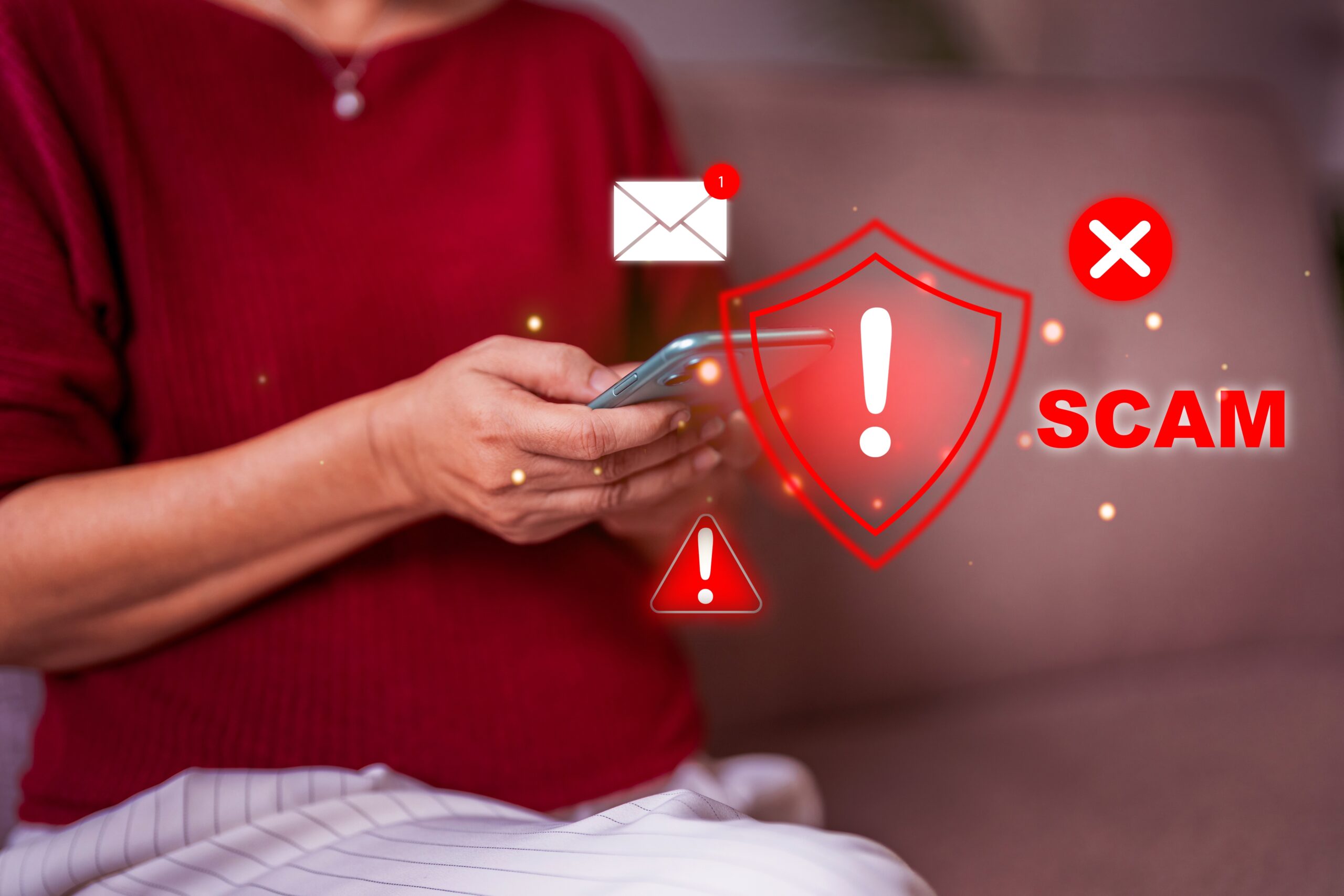
The Social Security Administration’s Office of the Inspector General issued a formal warning in February 2026 about a significant increase in government imposter scam emails targeting retirees and Social Security recipients across the country.
The emails are designed to look exactly like official SSA communications and claim to provide the recipient with access to their Social Security statement.
They do not. Clicking anything inside them can lead to identity theft, financial loss, or compromised personal data.
The warning is being amplified this week as the emails continue circulating and the agency pushes to get the message out more broadly.
If you have a parent, grandparent, or older relative who uses email, this is worth sharing with them today.
What Does The SSA Email Scam Look Like?
The fraudulent emails are built to be convincing. They use official-looking language, the SSA’s actual logos, the agency’s colors, and professional formatting, the same visual identity that appears in legitimate government communications.
Some versions use real SSA employee names and attach photos to appear more credible.
The message typically tells the recipient that their Social Security statement is ready to download, includes an embedded link or attachment labeled as a statement or official document, and creates a sense of urgency or pressure to act immediately.
If you click the link, one of two things happens. The link installs malware on your device, or it directs you to a fake website designed to steal your personal and financial information. Either outcome is bad.
Michelle L. Anderson, Assistant Inspector General for Audit at the SSA OIG, was direct in her statement:
“We are seeing a sharp increase in fraudulent emails designed to look like official Social Security Administration communications. These messages are not from Social Security. Anyone who receives one should delete it immediately and report it.”
How Do You Identify If An Email Is Actually From SSA
Legitimate Social Security Administration emails come only from addresses ending in .gov. That is the single most reliable way to verify whether an email is real.
If the sender address ends in anything else, .com, .net, .org, .info, or any other domain, it is not from the SSA, regardless of how official it looks. Do not click anything. Do not download anything. Delete it.
Scammers are also now using artificial intelligence as an additional tool to make their communications more convincing, polished, and difficult to identify as fraudulent.
The SSA OIG flagged this specifically as a growing component of the threat.
How Many People Are Being Affected?
The scale of government impersonation scams is significant and growing. Last year, more than 330,000 government impersonation complaints were filed with the Federal Trade Commission, a 25 percent increase from the year before.
The SSA is one of the most impersonated agencies in the country, alongside the IRS and Medicare, because the stakes for recipients feel immediate and personal.
A retiree who depends on Social Security as a primary income source and receives an email suggesting there is a problem with their statement is going to feel compelled to open it.
That psychological pressure is exactly what scammers are exploiting.
Older adults are disproportionately targeted, which is why the SSA OIG specifically urged the public to share this information with family and community members, particularly seniors.
What To Know About The SSA
This is the clearest guide for identifying a scam. The Social Security Administration will never do any of the following:
-Demand immediate payment of any kind
-Threaten arrest or suspension of your benefits
-Request payment through gift cards
-Prepaid debit cards
-Wire transfers
-Cryptocurrency
-Cash
-Gold bars
They will also never ask for sensitive personal information through email, text, or social media, contact you through social media with account or benefit questions, claim your Social Security number has been suspended due to criminal activity, require you to keep a conversation secret, or pressure you to act before you can consult family or check with the agency directly.
If any communication you receive from someone claiming to be the SSA involves any of those things, it is a scam.
What Do You Do If You Receive This Email Scam
Do not click any links. Do not open any attachments. Do not reply to the message. Delete it immediately.
Go directly to ssa.gov/myaccount by typing the address into your browser yourself, never by clicking a link from an email.
Report the suspicious email to the SSA OIG at oig.ssa.gov/report.
What To Do If You Already Clicked
If you have already interacted with one of these emails, clicked a link, downloaded an attachment, or provided any information, act immediately. Stop all communication with the sender.
Contact your bank and any other financial institutions to alert them and protect your accounts.
Report the incident to the SSA OIG at oig.ssa.gov/report. File a complaint with the FBI’s Internet Crime Complaint Center at ic3.gov.
Report the scam to the Federal Trade Commission at ftc.gov. If you suffered financial loss, contact your local law enforcement.
Establish a fraud alert or credit freeze with the three major credit bureaus, Equifax, Experian, and TransUnion, and review your credit reports for any unfamiliar activity.
Social Security scams are not new, but their sophistication is increasing. Beyond these imposter emails, scammers also use phone calls with spoofed caller IDs that display official government numbers, fake social media accounts using SSA imagery and branding, and fake websites that mirror the official SSA site closely enough to fool people who are not looking carefully.
The SSA OIG maintains a dedicated scam alert page at oig.ssa.gov with current warnings and tactics as they evolve.
Following the SSA OIG on X and Facebook is another way to stay current on new scam patterns as they emerge.
The bottom line is straightforward: if you receive an unsolicited email claiming to be from Social Security, regardless of how official it looks, treat it as a scam first.
The real SSA is not going to penalize you for pausing, verifying, and checking directly through official channels before acting. A scammer, by contrast, will pressure you not to do exactly that.