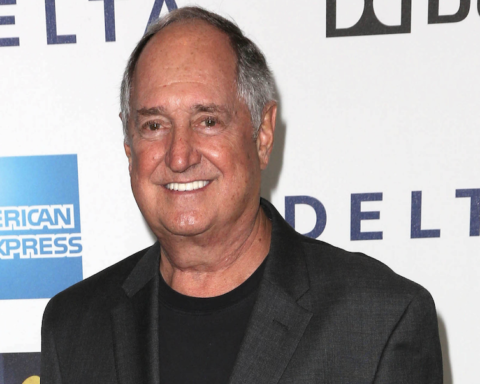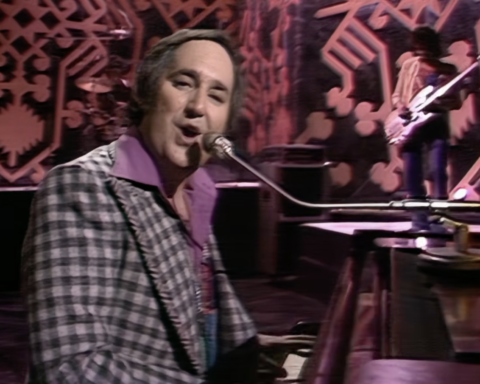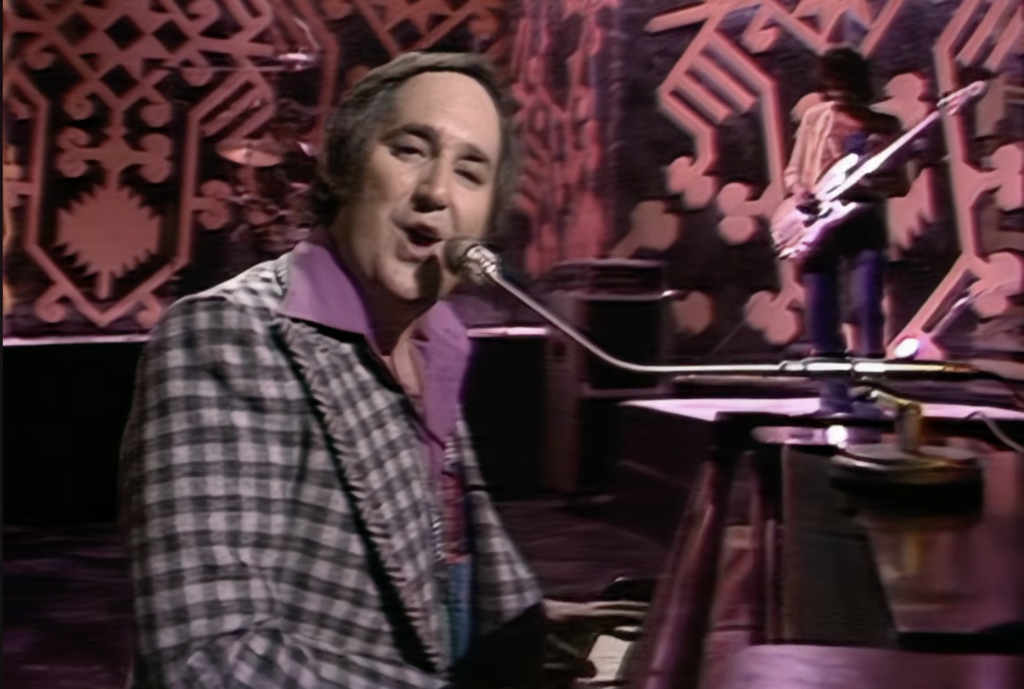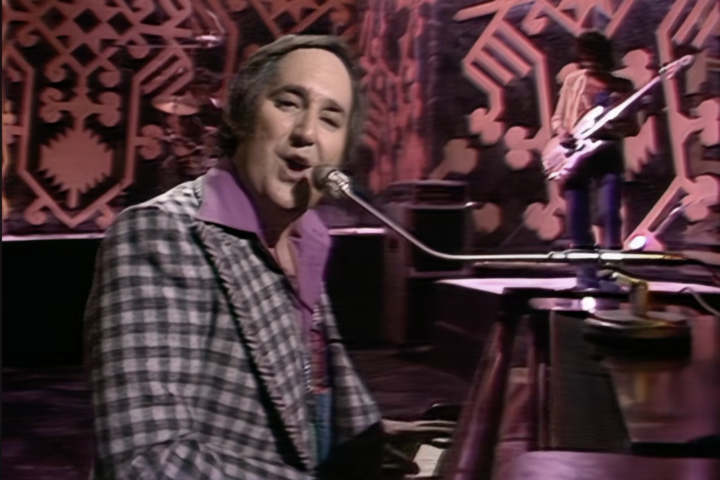

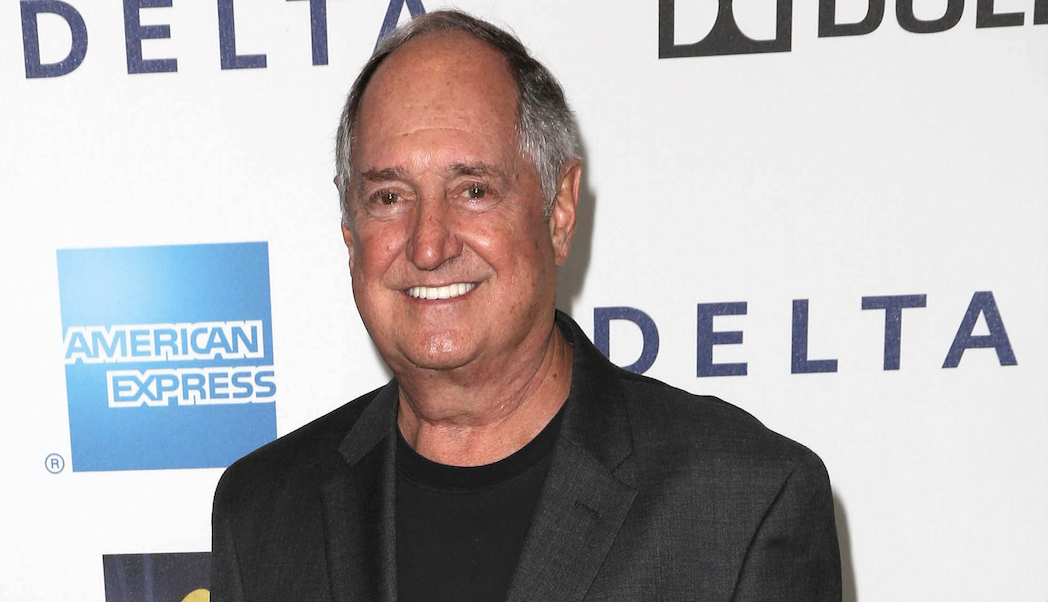
Neil Sedaka died Friday at 86. His death left a mark on the music world, and he leaves behind a legacy that will never be forgotten.
Celebrity Net Worth estimates Sedaka’s net worth at $100 million at the time of his death.
That number was built over nearly seven decades in music, not from one hit, not from one era, but from a catalog that kept generating money long after most people assumed his career was over.
How Did Neil Sedaka Get His Money?
Sedaka had three income streams that most artists never get at all.
The first was performing. He scored nine top ten hits on the Billboard Hot 100 between 1959 and 1963, including three number ones. That run of commercial success in the early 1960s laid the financial foundation. He was selling out venues and moving records at a pace that very few artists of his generation matched.
The second was songwriting royalties. This is where the real money lived.
Sedaka wrote or co-wrote more than 500 songs, and many of them were recorded by other artists. Frank Sinatra recorded his songs. Elvis Presley recorded his songs.
Tom Jones, the Monkees, the Fifth Dimension, and ABBA all recorded his material. Every time those recordings played on radio, television, film, television commercials, or streaming platforms, Sedaka collected a royalty check.
Captain and Tennille won the Grammy for Record of the Year in 1975 for “Love Will Keep Us Together.” Sedaka wrote it.
That one song alone has generated decades of royalty income across multiple formats and licensing deals.
The third stream was the 1970s comeback. Two number one hits in a single year, “Laughter in the Rain” and “Bad Blood,” both in 1975, reset his commercial value entirely and opened another two decades of touring income at a level most artists his age could not sustain.
The Sedaka Touring Years Nobody Talks About
What is often overlooked in discussions of Sedaka’s wealth is how long he kept working.
He was not a legacy act who did one reunion tour and retired. He performed consistently through his seventies and into his eighties, playing concert halls and theaters around the world for audiences who had loved him for fifty years.
He hosted a monthly Sirius XM radio show called “In The Key of Neil” from late 2019 through his final years. He composed symphonies and piano concertos, including “Joie De Vivre” and “Manhattan Intermezzo,” both recorded with the Philharmonia Orchestra of London.
A performer who stays active into his mid-eighties is generating income that a performer who retires at sixty is not. Ticket sales, performance fees, broadcast royalties, streaming revenue, all of it continued accumulating while his peers had long since stopped touring.
That sustained activity across seven decades is a significant part of how a songwriter from Brighton Beach ends up with a nine-figure estate.
Neil Sedaka’s Catalog Deal That Changed His World
In April 2024, Sedaka sold a stake in his entire catalog to Primary Wave Music.
The deal included publishing rights for every composition he wrote and master recording rights for every recording he performed.
Primary Wave also acquired potential branding rights over his name and likeness. Financial terms were not publicly disclosed, as is standard for catalog acquisitions of this kind.
But context matters. Primary Wave is one of the largest independent music publishers in the world.
They have acquired catalogs from artists including Kurt Cobain, Whitney Houston, Def Leppard, and Smokey Robinson. They do not pursue deals that do not pencil out at scale.
Catalog deals for artists with Sedaka’s hit count, streaming longevity, and licensing history typically generate eight figures at minimum.
The Primary Wave partnership was structured not just as a sale but as an active exploitation agreement, with the company’s marketing team, digital strategy division, and film and television licensing infrastructure all deployed on his catalog going forward.
That deal was done less than two years before his death. The estate now holds whatever proceeds came from that transaction, and Primary Wave continues to control and monetize the catalog on behalf of his heirs.
What Sedaka’s Career Looked Like In Numbers
For context on why the catalog was worth buying, here is what Sedaka built across his career.
The star charted 30 songs on the Billboard Hot 100. Nine of them reached the top ten. Three reached number one.
He wrote or co-wrote more than 500 songs recorded by other artists. He released more than 25 studio albums. Eleven of those albums charted on the Billboard 200.
He received five Grammy nominations. He was inducted into the Songwriters Hall of Fame in 1983.
He received the Sammy Cahn Lifetime Achievement Award from the National Academy of Popular Music in 2004. He has a star on the Hollywood Walk of Fame. He has a street named after him in Brighton Beach.
“Breaking Up Is Hard to Do” made the top ten twice, once in 1962 and again as a re-recorded ballad in 1975.
It was only the second song in Billboard Hot 100 history to achieve that with two different versions by the same artist.
Those are the career statistics that justify a nine-figure valuation.
What Happens To Sedaka’s Money Now?
Sedaka is survived by his wife Leba, whom he married in 1962, their daughter Dara, son Marc, and three grandchildren.
The catalog, now partially controlled by Primary Wave, will continue generating royalty income for the estate indefinitely. Songs like “Breaking Up Is Hard to Do,” “Calendar Girl,” and “Love Will Keep Us Together” are not going away.
They appear in films, television shows, commercials, and streaming playlists on a regular basis. Every placement generates income.
Primary Wave’s business model is built on exactly this kind of long-term catalog exploitation. The Sedaka estate will benefit from that infrastructure for years.
He said it in 2020, talking about his own legacy: “The songs will outlive me.”
At $100 million and a catalog that a major publisher just bought the rights to, he was not wrong.