
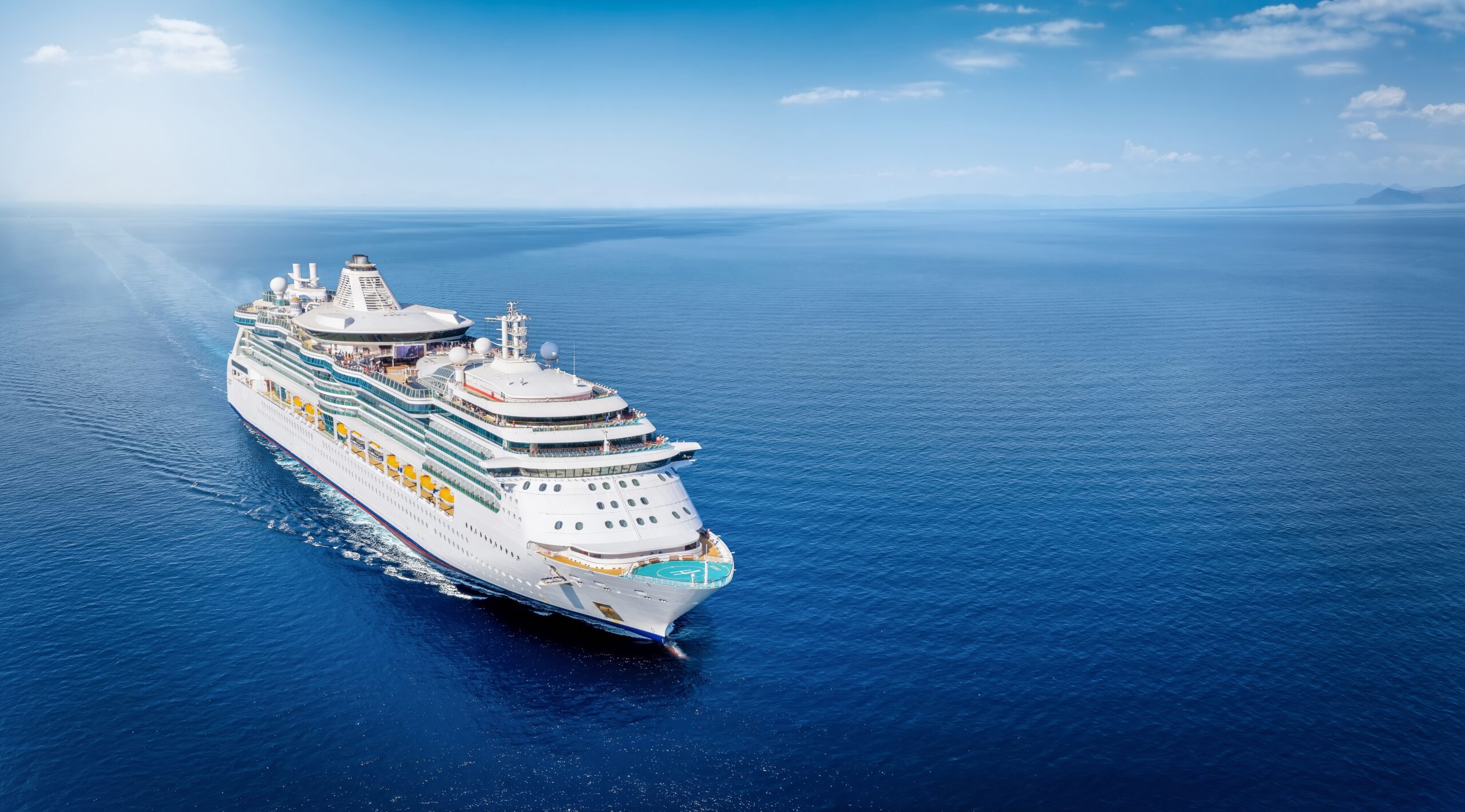
A norovirus outbreak aboard the Caribbean Princess cruise ship has sickened 102 passengers and 13 crew members, the Centers for Disease Control and Prevention confirmed Friday after the ship reported the outbreak on Thursday May 7, 2026.
The ship is currently carrying 3,116 passengers and 1,131 crew members on a voyage that runs from April 28 to May 11, before arriving at Port Canaveral, Florida.
The outbreak is the fourth gastrointestinal illness on a cruise ship in 2026 and the second norovirus case this year specifically, coming just two months after a similar outbreak on the Star Princess in March that affected nearly 200 people.
Princess Cruises confirmed that “a limited number of individuals reported mild gastrointestinal illness” during the sailing.
Here is what happened, what the ship is doing about it, and what passengers on upcoming cruises need to understand about norovirus.
What Happened On The Caribbean Princess?
The Caribbean Princess is in the middle of a two-week Caribbean sailing that began April 28 and ends at Port Canaveral on May 11.
The ship is currently in the northwest Atlantic Ocean with a scheduled port call at Puerto Plata in the Dominican Republic before its return.
As the voyage passed its midpoint, the ship’s medical team identified a pattern of gastrointestinal illness among passengers and crew.
The symptoms, diarrhea and vomiting, are consistent with norovirus, the highly contagious virus that the CDC identifies as the leading cause of gastrointestinal illness outbreaks in the United States.
The ship reported the outbreak to the CDC on Thursday, triggering the public notification and investigation process that the agency’s Vessel Sanitation Program oversees for all cruise ship outbreaks.
By the time of the CDC’s report, 102 of the ship’s 3,116 passengers had reported illness, approximately 3.3 percent of the passenger population. Among the 1,131 crew members, 13 had become ill, approximately 1.2 percent.
The combined total of 115 affected individuals represents a significant outbreak by the CDC’s reporting standards, which require vessels to notify the agency when at least two percent of passengers or crew report gastrointestinal illness symptoms within a defined time period.
What The Ship Did In Response
Princess Cruises and the Caribbean Princess crew implemented the standard protocol that cruise lines follow when a gastrointestinal outbreak is identified.
Cleaning and disinfection procedures across the ship were intensified, crew members increased the frequency of sanitizing high-contact surfaces including elevator buttons, handrails, door handles, dining areas and restrooms.
Passengers and crew members who reported illness were isolated in their cabins to prevent further spread. Stool specimens were collected for laboratory testing to confirm the causative agent.
The ship also consulted with the CDC’s Vessel Sanitation Program, the federal program specifically designed to help the cruise industry prevent and contain gastrointestinal outbreaks, regarding sanitation procedures and proper illness reporting.
That consultation puts the ship’s outbreak management in coordination with federal public health guidance rather than relying solely on the cruise line’s internal protocols.
The steps the Caribbean Princess took are the same steps that every major cruise line trains its crew to execute when an outbreak is detected.
They reflect a decade of cruise industry refinement of outbreak response procedures following several high-profile norovirus situations that generated significant negative publicity for the industry.
What Is Norovirus?
Norovirus is a highly contagious virus that causes acute gastroenteritis — the medical term for inflammation of the stomach and intestines that produces the vomiting and diarrhea that define its symptoms.
It is not related in any way to the Andes hantavirus outbreak currently under investigation on the MV Hondius, which is an entirely separate and far rarer illness with a completely different transmission mechanism and profile of severity.
Norovirus infects approximately 685 million people per year globally. In the United States alone, it causes an estimated 19 to 21 million illnesses annually, meaning roughly one in fifteen Americans contracts it each year.
It spreads through contact with contaminated food, water or surfaces, and through direct person-to-person transmission.
It is extremely resistant to many common disinfectants and can survive on surfaces for days, which makes thorough cleaning and handwashing the primary prevention tools.
The reason cruise ships attract norovirus attention is partly the concentration of people in a confined space and partly the heightened surveillance.
The CDC’s Vessel Sanitation Program requires cruise ships to report outbreaks and maintains a public database of all reported cases, a transparency that does not exist for hotels, resorts, college dormitories, restaurants and other settings where norovirus spreads just as readily but without mandatory public reporting.
The result is that cruise ship norovirus cases are highly visible while the same virus spreading through a resort hotel, a conference center or a university dining hall receives no CDC report at all.
The CDC itself acknowledges this dynamic. Cruise ships are responsible for approximately one percent of all reported norovirus outbreaks in the United States each year.
The 99 percent that occurs on land is distributed across those less-tracked settings.
The Context Of Cruise Ship Outbreaks In 2026
The Caribbean Princess outbreak is the fourth gastrointestinal illness event on a cruise ship in 2026, according to the CDC’s Vessel Sanitation Program reporting database.
The prior three were the Seven Seas Mariner in January, an E. coli outbreak, the Star Princess in March, norovirus, and the Oceania Cruises Insignia in April, E. coli again.
The pace of four outbreaks through the first five months of 2026 is notably lower than the same period in 2025, when the CDC had reported more than a dozen outbreaks by May and the full year total reached 23.
Of those 2025 outbreaks, 18 were caused by norovirus. The reduction from 2025 levels may reflect improvement in onboard sanitation protocols, seasonal variation in norovirus circulation or simply normal statistical fluctuation in outbreak reporting.
The Star Princess outbreak in March is the most relevant comparison for the Caribbean Princess situation.
That outbreak affected a similar Princess Cruises vessel and resulted in nearly 200 passengers and crew reporting illness before the ship’s end-of-voyage cleaning and sanitization procedures cleared the virus.
The Caribbean Princess’s current 115 affected individuals represents a smaller outbreak by that comparison, though the ship still has several days remaining in its voyage before it arrives at Port Canaveral on May 11.
What Passengers On The Caribbean Princess And Upcoming Sailings Should Know
For passengers currently on the Caribbean Princess, the practical guidance is consistent with what the ship has already implemented. Thorough handwashing with soap and water, not just hand sanitizer, which is less effective against norovirus, before eating and after using the restroom is the most reliable individual prevention measure.
Avoiding close contact with visibly ill passengers is sensible. Reporting symptoms to the ship’s medical center immediately rather than waiting allows the ship to respond quickly and reduces the opportunity for further spread.
Passengers booked on upcoming Caribbean Princess sailings should be aware that the ship is scheduled to arrive at Port Canaveral on May 11. Princess Cruises and the CDC’s Vessel Sanitation Program will conduct thorough sanitization of the vessel before it embarks on its next voyage.
The cleaning protocols used at turnaround, when a ship returns to its home port at the end of a sailing and prepares for the next group of passengers, are significantly more intensive than the protocols used during an active voyage.
They involve deep cleaning of all passenger areas, replacement of potentially contaminated food and beverage items, and specific attention to the areas and surfaces associated with the outbreak.
The risk of residual norovirus on a cruise ship that has completed a proper post-outbreak turnaround cleaning is low.
The risk of contracting norovirus on any subsequent sailing at a comparable level to the current outbreak is not materially different from the normal baseline risk that exists on any ship at any time.
Why Cruise Ships Are Not More Dangerous Than Other Settings
The association between cruise ships and norovirus in public perception is outsized relative to the actual comparative risk.
This is a product of mandatory reporting and high visibility rather than a reflection of unusual danger.
Norovirus spreads wherever people gather in close proximity and share food preparation facilities, bathrooms and common spaces.
Those conditions exist on cruise ships, but they also exist in schools, hospitals, college dormitories, hotels, restaurants, nursing homes and office buildings, none of which are required to report gastrointestinal outbreaks to the CDC.
A cruise ship with 3,116 passengers and 1,131 crew members sailing for two weeks is, in epidemiological terms, a small town at sea.
Norovirus circulates through small towns. It circulates through large cities.
The one percent figure that the CDC uses to describe cruise ships’ contribution to US norovirus outbreaks is the most accurate statistical summary of the actual risk.
The Caribbean Princess’s 115 sick passengers and crew represent a genuine public health event that the ship’s medical team, the CDC and Princess Cruises are managing correctly.
It is not an anomaly, and it is not a sign of unusual failure in the cruise industry’s health management systems.
It is a norovirus outbreak, the most common form of acute gastroenteritis in the world, occurring in a setting where it is tracked, reported and addressed more transparently than almost anywhere else people get sic