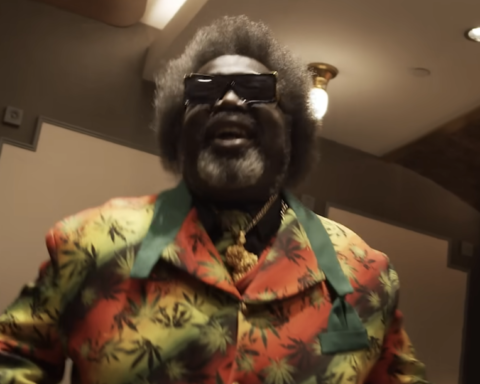

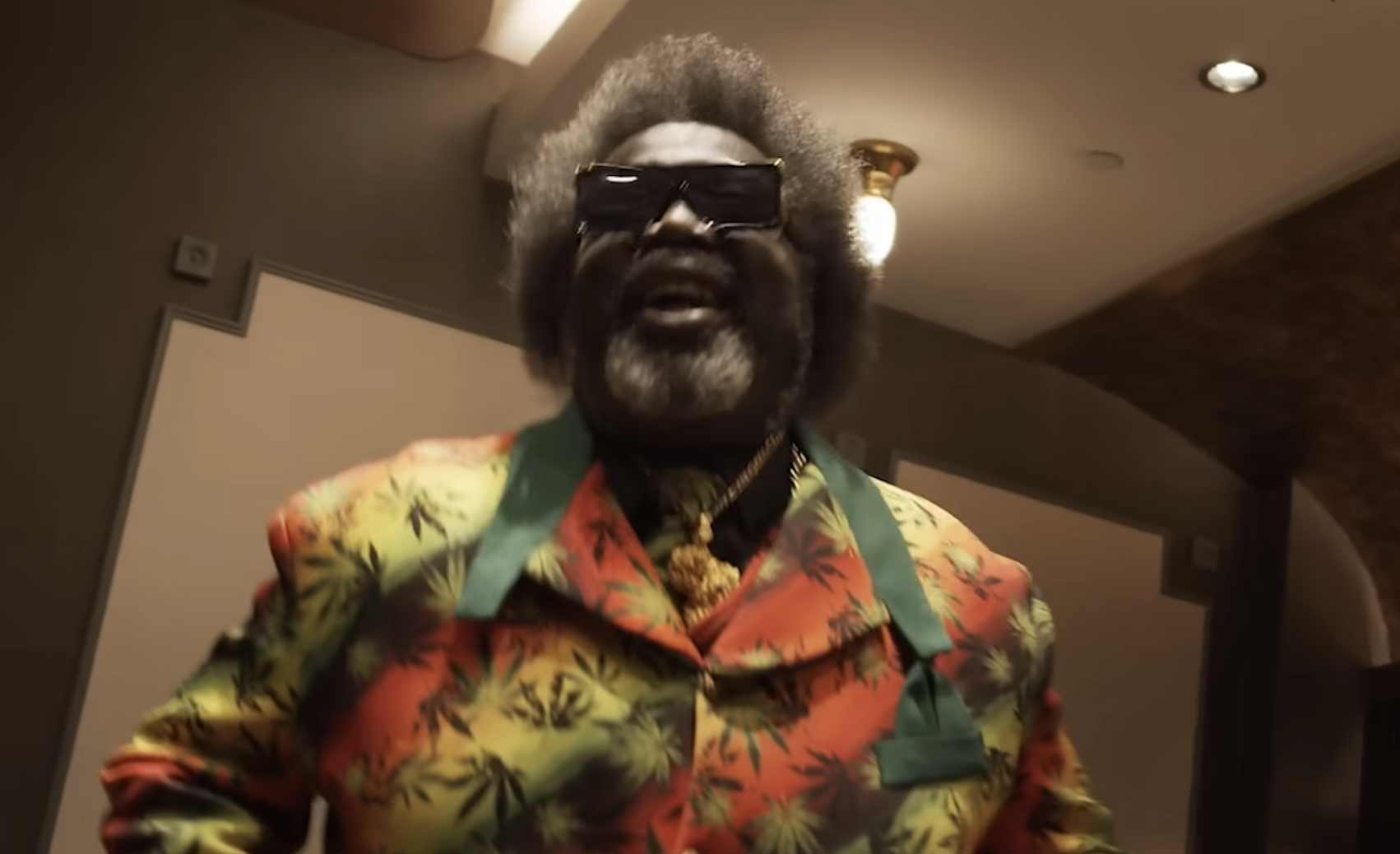
Afroman is in a courtroom in Adams County, Ohio this week, defending himself against a lawsuit brought by the sheriff’s deputies who raided his home in 2022, found nothing, filed no charges, and then sued him for making songs about it.
The trial began Monday, March 16, in Adams County Common Pleas Court. The ACLU has called the case “nothing short of absurd.”
Afroman has called it retaliation. Seven sheriff’s deputies have called it defamation and invasion of privacy. A jury will now decide who is right.
What Happened In 2022?
On August 21, 2022, deputies from the Adams County Sheriff’s Office in Ohio executed a search warrant on the home of Joseph Foreman, known professionally as Afroman, best known for his 2000 hit “Because I Got High,” based on a tip from a confidential informant alleging drug trafficking and kidnapping.
Foreman was not home at the time. He was in Chicago. His neighbors called to tell him what was happening.
What did the deputies found when they broke down the door, rifles drawn, and swept the property? Nothing. No drugs. No evidence of trafficking. No charges were ever filed against Foreman.
What they left behind: a broken front gate, significant damage to the property, disconnected security cameras, and a seized amount of cash that Foreman says came back $400 short.
A subsequent internal investigation by Clermont County concluded no money was stolen and that the discrepancy was a miscount.
Foreman was not convinced. “They started investigating themselves, and they say it was simply a miscount,” he said. “How do you miscount $400?”
What Did Afroman Do After His Arrest?
Afroman did what musicians do. He made songs about it.
His security cameras had captured the entire raid.
His wife also recorded on her phone. Using that footage, Afroman created a series of music videos for an album he titled Lemon Pound Cake, named after the moment during the raid when, according to the footage, one of the deputies paused with his gun drawn to apparently look at a lemon pound cake Afroman’s mother had baked and left on the kitchen counter.
The song “Lemon Pound Cake” went viral. The video racked up millions of views.
In the video, Afroman mocked the deputies by name and by appearance. He called one out as “a Adams County Sheriff/ He’s hungry and he’s big as hell.”
He used actors to represent the officers.
He posted footage of the raid on Instagram. He put images of the deputies on T-shirts and sold them. He released a second song called “Will You Help Me Repair My Door.”
Even as the trial date approached, he released new videos on YouTube about the case, appearing in an American flag suit and singing, “They vandalize my property, my money came up short. They disconnect my cameras because they are a poor sport.”
His stated reasoning was direct. “I figured like every American that I have freedom of speech,” Foreman said.
“So, with that freedom of speech, I wrote songs about my experience, hoping to raise money to pay for the damages they done to my property.”
Why Seven Deputies Sued Him
In 2023, seven members of the Adams County Sheriff’s Office — deputies Shawn D. Cooley, Justin Cooley, Michael D. Estep, Shawn S. Grooms, Brian Newland, Lisa Phillips and Randolph L. Walters Jr., filed a civil lawsuit against Foreman.
They claimed that he had used their likenesses without permission, subjected them to public ridicule, caused them humiliation and emotional distress, and made false statements that damaged their reputations.
They also stated in court documents that they had received death threats following the release of the footage and social media posts.
Their lawsuit sought damages. Foreman countersued, accusing the deputies of destruction of property, trespassing, illegal search and seizure and other wrongdoing.
In February 2026, Judge Jonathan Hein dismissed all of Afroman’s counterclaims without a hearing, a decision Foreman publicly criticized, saying he didn’t like that his claims were dismissed “with a click of a button in some little office somewhere without a hearing.”
The judge allowed three of the deputies’ claims to proceed to trial: defamation, false light, and unreasonable publicity of private lives.
The remaining trial focuses entirely on what Afroman did, not on what the deputies did to his home.
What Does The Trial Looks Like?
Afroman arrived at the Adams County courthouse on Monday greeted by supporters standing outside. Jury selection consumed much of day one, with opening statements beginning once the jury was seated.
The first day’s testimony focused on Afroman’s social media posts following the raid.
Witnesses include Afroman and the deputies themselves. Jurors will see bodycam footage, the search warrant and the disputed music videos.
On Tuesday, Afroman took the stand. He was unsparing. “All of this is their fault,” he said. “If they hadn’t wrongly raided my house, there would be no lawsuit, I would not know their names, they wouldn’t be on my home surveillance system, and there would be no songs. My money would still be intact.”
He told the court he used footage from his own cameras, on his own property, and that it was his right as an American to document and criticize the officers who searched his home and found nothing.
Why This Case Actually Matters
The case has drawn national attention from civil liberties organizations precisely because of what it could mean beyond one rapper and a handful of Ohio deputies.
The ACLU filed a court brief in 2023 describing the lawsuit as “a meritless effort to use a lawsuit to silence criticism” and called the officers’ privacy claims, made over their own invasion of someone else’s home, “nothing short of absurd.”
The Foundation for Individual Rights and Expression warned that a verdict against Afroman would be “chilling,” effectively signaling that people do not have the right to publicly dispute what law enforcement did to their property.
The core First Amendment question is straightforward: can police officers sue a homeowner for using footage from his own security cameras, on his own property, to criticize their conduct? If the answer is yes, it creates a significant tool for law enforcement to use civil litigation to suppress public criticism, something American courts have historically resisted.
Afroman’s position is equally straightforward. “I’m being a sport,” he said. “I’m singing a humorous song about a man taking too many glances at my mom’s lemon pound cake. And he’s up in arms in court suing me about this.”
The deputies found no drugs, filed no charges, and damaged the property they searched. Then they sued the man whose home they searched for talking about it. The trial is expected to continue throughout the week.