Scott Pelley Was Fired By CBS After Calling Bari Weiss A Murderer
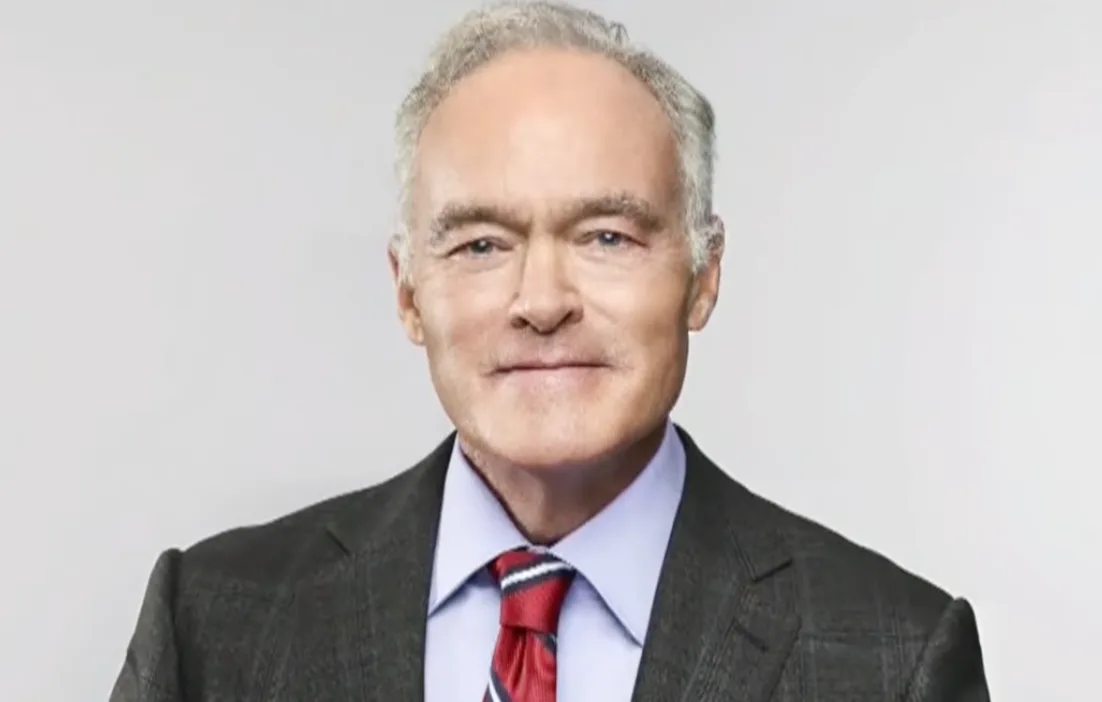
CBS News terminated Scott Pelley's contract Tuesday for cause, firing a 30-year CBS News veteran and one of the most recognizable correspondents in the history of 60 Minutes the day after he stood up in an all-staff meeting and told his new executive producer that the network's editor-in-chief was "murdering" the show and had been "brought in to kill it."
The sequence of events that ended Pelley's CBS career unfolded across two days of escalating confrontation.
On Monday he spoke with a directness that the recording of the meeting captured completely. On Tuesday evening he was called into a meeting with Bari Weiss, Nick Bilton, CBS News president Tom Cibrowski and a human resources representative.
The meeting found no common ground. Later that night, Bilton sent a letter to 60 Minutes staff announcing Pelley's departure.
"You should hear this from me first," Bilton wrote. "We have parted ways with Scott Pelley."
Industry analysts immediately predicted Pelley would take legal action against the network. The firing is sure to intensify the already severe scrutiny of Weiss and her efforts to remake CBS News.
What Did Scott Pelley Say?
The Monday all-hands meeting at 60 Minutes had been called in the aftermath of a week of extraordinary turbulence at the show, veteran executive producer Tanya Simon had been ousted, correspondents Sharyn Alfonsi and Cecilia Vega had been fired.
The staff was already in shock. Bari Weiss, the editor-in-chief who had made those decisions, was notably absent from the meeting. Nick Bilton, the technology journalist whom Weiss had appointed as 60 Minutes' new executive producer, was present.
Pelley used the meeting as the moment he apparently had been building toward.
He told the assembled staff that Weiss was "murdering" 60 Minutes. He said she does not love the place. He said she was brought in to kill it and has been doing exactly that. He questioned Bilton's qualifications, calling them "slender," and asked why Bilton had accepted a role "knowing that you will never be welcome here."
When Bilton suggested they take the conversation private, Pelley declined to do so. The full confrontation happened in front of every staff member who was present.
Bilton responded to the qualifications challenge directly. "I have been a journalist for 25 years, Scott." The exchange was recorded and its contents were reported by multiple outlets before the day was over.
Pelley was not alone in his sentiments. Correspondent Bill Whitaker expressed support for Pelley's remarks.
Another source told CNN they thought Pelley had been rude and unprofessional, a sentiment echoed by Weiss deputy Charles Forelle, who was present at the meeting. The room was divided, as rooms tend to be when someone says out loud what multiple people have been saying privately.
The Tuesday Meeting That Ended His Career
Pelley had been scheduled to go on vacation Tuesday. Instead, CBS called him in. The 5 PM meeting included Weiss, Bilton, Cibrowski and a CBS HR representative, the specific combination that tells any veteran employee exactly what kind of meeting they are walking into.
Puck News' Dylan Byers had reported the meeting's existence before it concluded, noting that Pelley had been invited to "discuss a path forward after his vocal protest."
No path forward was found. Pelley told staffers after the meeting that he expected to be fired.
Pelley had used his access to the New York Times before the meeting to put his account on the record. He said Weiss had refused to answer his questions about why his colleagues had been fired.
He called her conduct "cold and callous and beneath the dignity of CBS News." He also told the Times that he had been pressured during the current season to insert bias into his stories, a specific and serious allegation against a news organization's editorial integrity that CBS has not publicly addressed.
Bilton's letter to staff following the firing acknowledged Pelley's stature at the organization while confirming his termination. "I know how much Scott meant to many of you," Bilton wrote.
He described the situation as "a great deal of change in a very short time" and committed to "unyielding support for each of you, the journalism that you do and what we will do together going forward."
The specific phrase "what I regret most is that this situation interfered with the conversation I had hoped to have with you about Season 59 and the future of this show" positioned the Pelley situation as an obstacle to a forward-looking discussion rather than the outcome the leadership had pursued.
Bari Weiss And How 60 Minutes Got Here
Understanding how the most-watched newsmagazine in American television arrived at this moment requires understanding what happened when Paramount Skydance's new CEO David Ellison appointed Bari Weiss as CBS News editor-in-chief in October 2025.
Weiss was a former New York Times opinion editor who resigned from that position in 2020 with a public letter criticizing the paper's internal culture. She subsequently founded The Free Press, a subscription-based media outlet that positioned itself in the center-right lane of commentary and journalism criticism and that attracted significant audiences.
She is a polarizing figure, lauded by some as a defender of journalistic independence and criticized by others as a cultural warrior more interested in editorial agendas than institutional journalism.
Her arrival at CBS was immediately controversial within a news division whose culture had been built on a specific understanding of what broadcast journalism means, independence from commercial pressure, editorial decisions made on news value rather than political palatability.
The tension crystallized in the CECOT segment, a 60 Minutes story about Venezuelan men whom the Trump administration had deported to El Salvador's notorious prison was pulled hours before air last year.
Weiss said the segment lacked fairness. Alfonsi, the correspondent on the story, and the 60 Minutes staff saw it as editorial interference that raised questions about whether Paramount's interest in obtaining Trump administration approval for its acquisition of CNN and the rest of Warner Bros. Discovery was influencing CBS News coverage decisions.
The Paramount-CNN acquisition is the background note that makes all of the other CBS News decisions harder to evaluate neutrally.
When a parent company is seeking approval from an administration that has both sued 60 Minutes and settled that lawsuit, and when editorial decisions seem to move in directions that reduce that administration's discomfort, the institutional independence that distinguishes journalism from public relations faces a specific test. Pelley said out loud on Monday what that test looks like from inside the building.
What Is 60 Minutes?
60 Minutes has been on the air since September 1968, 58 years of Sunday night broadcast journalism that has produced some of the most significant investigative reporting in American television history.
The show has conducted presidential interviews that changed the political conversation. It has exposed corporate fraud, government deception and institutional wrongdoing across six decades.
Its journalism has won more major awards than any other newsmagazine in the history of American television.
It is also, as the CBS staff meeting data consistently shows, one of the highest-rated programs on broadcast television, not a legacy holdout surviving on institutional goodwill but a genuinely popular program that attracts audiences week after week. Weiss herself told CNN that she viewed 60 Minutes' success as a reason to change now, from a position of strength rather than weakness.
She wants more hard-hitting journalism. She wants stories that "force accountability from every institution and every center of power." The memo she and Cibrowski circulated said exactly that.
The staff's resistance to her leadership reflects a specific concern: that the accountability journalism she describes will be applied selectively, more forcefully toward some institutions and centers of power than others.
Pelley's accusation that he was pressured to insert bias into his stories is the most explicit articulation of that concern.
Whether legal action follows, what CBS's next moves at 60 Minutes will be and how the show's audience responds to the changes underway will determine whether Tuesday's firing is the end of a chapter or the beginning of a significantly different institution wearing a familiar name.