11-Year-Old Dies From Contact With A Rabies Bat
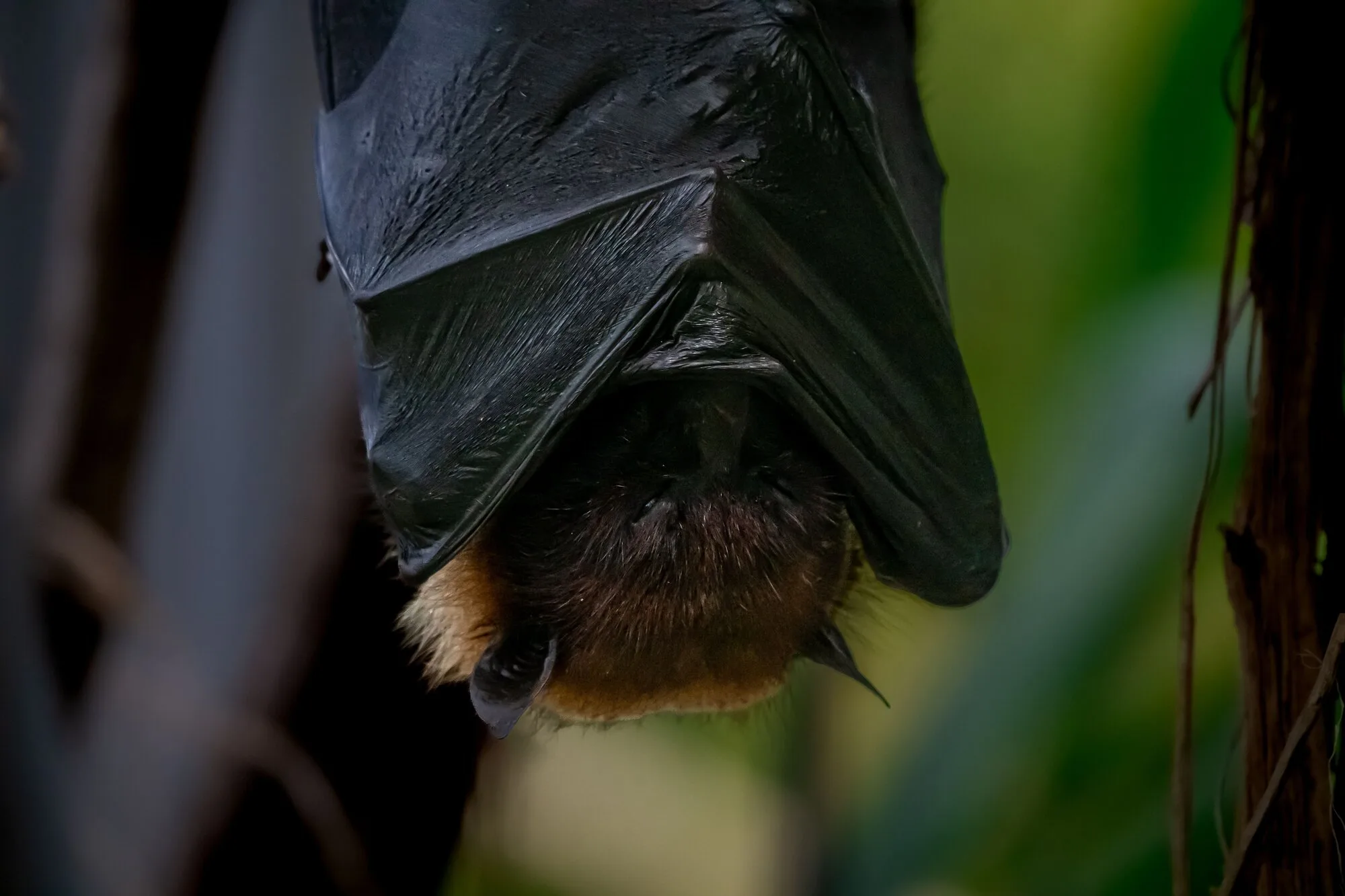
A report published Monday in the Canadian Medical Association Journal has prompted widespread warnings about bat contact and rabies after describing the 2024 death of an 11-year-old boy in Ontario, the first person to die of locally acquired rabies in the province since 1967.
The boy was sleeping at a cottage in northern Ontario when he woke up to find a bat on his nose and mouth. He knocked it away. His father caught it in a cooking pot and released it outside.
The child had no visible bite marks and the bat did not appear to be behaving erratically, so the family did not seek medical attention.
Nineteen days later, the boy began experiencing tingling and numbness on the right side of his face. He was admitted to hospital.
A PCR test confirmed rabies on the fourth day of admission. He died on his 17th day in hospital.
The doctors who authored the report issued a straightforward warning: any physical contact with a bat, even without a visible bite, is sufficient reason to seek immediate medical attention.
Bats have tiny teeth that can break skin without leaving a mark. Their saliva can also transmit the virus through the eyes, nose, mouth or any open wound even without a bite at all.
"Any time a bat has touched the human skin, that would be a reason to go and see your health care provider right away," said Dr. Brian Hummel, one of the report's authors.
The timeline matters. Rabies is almost universally fatal once symptoms appear.
But the incubation period is typically weeks, meaning a series of post-exposure vaccines and antibodies given before symptoms develop is almost universally successful. The family's window was there. They did not know to use it.
If you or someone you know has had contact with a bat, seek medical attention immediately regardless of whether a bite is visible.