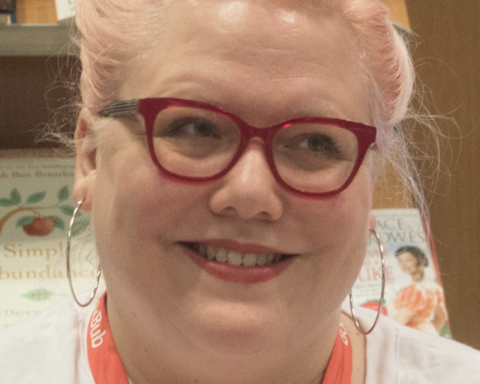

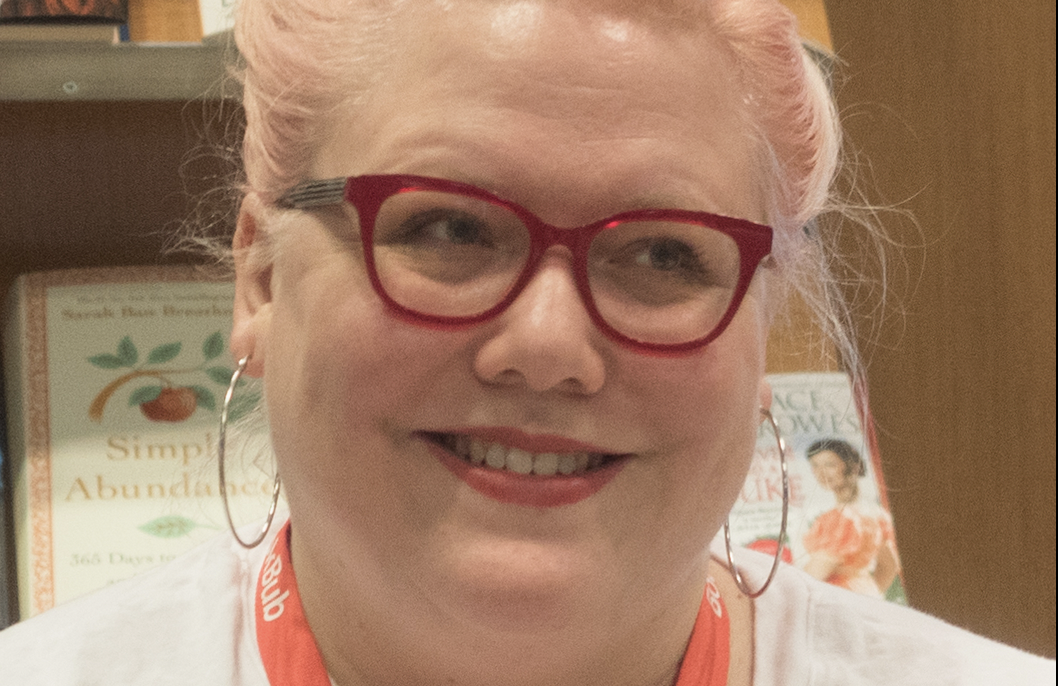
Lindy West published a memoir this month and the internet was not ready for it.
Adult Braces: Driving Myself Sane, published March 10 by Grand Central Publishing, is the follow-up to West’s 2016 bestseller Shrill, the essay collection about body positivity and feminism that became a Hulu series starring Aidy Bryant.
Where Shrill was a cultural manifesto, Adult Braces is something more personal, more uncomfortable, and considerably more divisive, an account of how West’s marriage was restructured around her husband’s desire for polyamory, and how she eventually chose to stay, and to embrace it.
The book went quietly viral after West appeared on The New York Times’ Modern Love podcast to discuss it.
By the end of the week, it had become one of the most argued-about cultural moments of 2026.
What Is Adult Braces About?
West has been married to musician and writer Ahamefule J. Oluo for years. The book’s inciting event is the revelation, which West describes as devastating, that Oluo wanted to pursue relationships with other people.
A woman in Portland named Roya Amirsoleymani became his girlfriend. West, initially resistant in the extreme, eventually agreed to try polyamory.
She took a solo road trip from the Pacific Northwest to Key West, Florida, in a whimsically painted van, driving cross-country while recording emotional voice memos and trying to figure out what she actually wanted from her marriage and her life.
By the book’s end, West had not only accepted the arrangement but fallen in love with Amirsoleymani herself.
The three now live together in a cabin on Bainbridge Island, Washington.
They announced the throuple publicly in a YouTube video in 2022. The book is West’s attempt to tell the full story of how they got there.
“My skin blistered when I imagined Aham having sex with someone else,” West writes at one point. “It felt like I was dying at just the thought of it. Now I hear Aham having sex with someone else at least once a week, and my reaction is, ‘Could you jabronis keep it down?'”
The final chapter addresses the skeptics directly. “If you think I have been brainwashed and I am secretly miserable,” West writes, “I simply do not know what to tell you.”
Why The Internet Lost Its Mind
The reaction to the book and the NYT Modern Love interview divided sharply along several different fault lines simultaneously.
One camp argued that West was a victim, that her husband had manipulated her into accepting a situation she never wanted, and that the memoir’s cheerful framing was a form of denial.
“He went and got himself a girlfriend,” one Substack reviewer wrote. “The only people that got liberated in this book were the selfish ones. Her husband now gets to live with his mistress/girlfriend and wife, and sleep with whoever he wants. Everyone gets to live for free in Lindy’s family cabin.”
Comments on the People magazine coverage included: “Sorry, but her self-worth has been seriously compromised,” and “I’m sorry she twisted herself to make him happy.”
Another camp argued that the criticism was itself a form of control, that West is a grown adult making choices about her own life and the hostility from fans who felt betrayed by those choices was paternalistic and possessive.
Roya Amirsoleymani addressed this directly in the Slate interview: “As much as a certain segment of Lindy’s fan base might think they’re coming from a place of care and support for her, that has been borderline possessive, even kind of abusive. That has denied her a level of agency and autonomy in self-determining her existence and her relationships.”
The Free Press published a pointed critique by culture writer Kat Rosenfield arguing that the memoir illustrates why open marriages categorically fail, that West’s insistence she is happy is precisely the kind of self-persuasion the format demands from the person who had the least to gain from the arrangement.
The New Statesman called it “100 percent privilege-disclaiming self-deprecation of the doth-protest-too-much variety,” comparing West’s literary style to “the complete 2010s output of Bustle, Slate, and Jezebel, suspended in formaldehyde.”
West, speaking to Willamette Week, was impervious. “Should I get a divorce because other people want me to? I feel like I got the benefits of divorce without leaving. I get to stay, have the marriage, and then also be free.”
Who Is Lindy West?
West emerged from The Stranger, Seattle’s alternative weekly, where she wrote cultural criticism and personal essays for years before her profile expanded nationally. Shrill, published in 2016, made her a flagship voice of a particular strand of body-positive feminist internet culture.
The Hulu adaptation, which ran from 2019 to 2021, was where most people who weren’t already following West online encountered her work.
It starred Aidy Bryant and Patti Harrison, and West has written candidly about how difficult the production process was, the protagonist was renamed from Lindy to Annie, her love interest was changed, and the show gradually became something foreign to her.
The Witches Are Coming followed in 2019, a polemic on sexism in the wake of #MeToo. Shit, Actually came next, a collection of essays about beloved films.
Adult Braces is her most nakedly personal work, the book most directly about her own interior life rather than cultural arguments she wanted to make.
She describes the title’s double meaning: she literally got braces as an adult, but the phrase also captures something about the experience of needing structural support, “slowly rearranging the pieces as I go through all these other things in my life.”
What The Better Reviews Say
Not all the reaction was hostile or defensive. Slate’s profile of West, conducted at her Bainbridge Island cabin over the course of a day, described Adult Braces as “West’s purest memoir, the least saddled by political context or societal noise, and ultimately, because it’s the most human, it is also the most brutal to bear witness to.”
The Boston Globe called it “a cheeky roadtrip memoir” and noted that five years after the events described, West says she is “really happy.”
The Goodreads reader response has been similarly warm among those who came to the book as fans of West’s earlier work, praising her wit, her brutal honesty about mental health and anxiety, and her willingness to document a period in her life when she was genuinely not okay.
What makes Adult Braces genuinely interesting as a cultural object, regardless of where you land on the choices West made, is that it documents the collision between a very specific type of 2010s feminist internet celebrity and a genuinely private domestic crisis.
West built her audience by being radically public about her inner life. The book is what happens when the inner life becomes more complicated than the audience bargained for.
“It’s not Portland’s fault,” West told Willamette Week, when asked about the relationship that disrupted her marriage. “I love Portland. The food’s so good. Portland rules.”
Adult Braces: Driving Myself Sane is available now from Grand Central Publishing, $29.