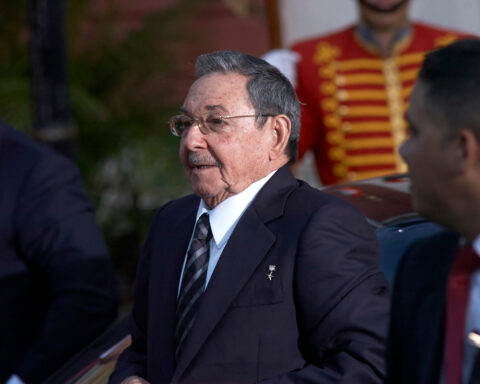

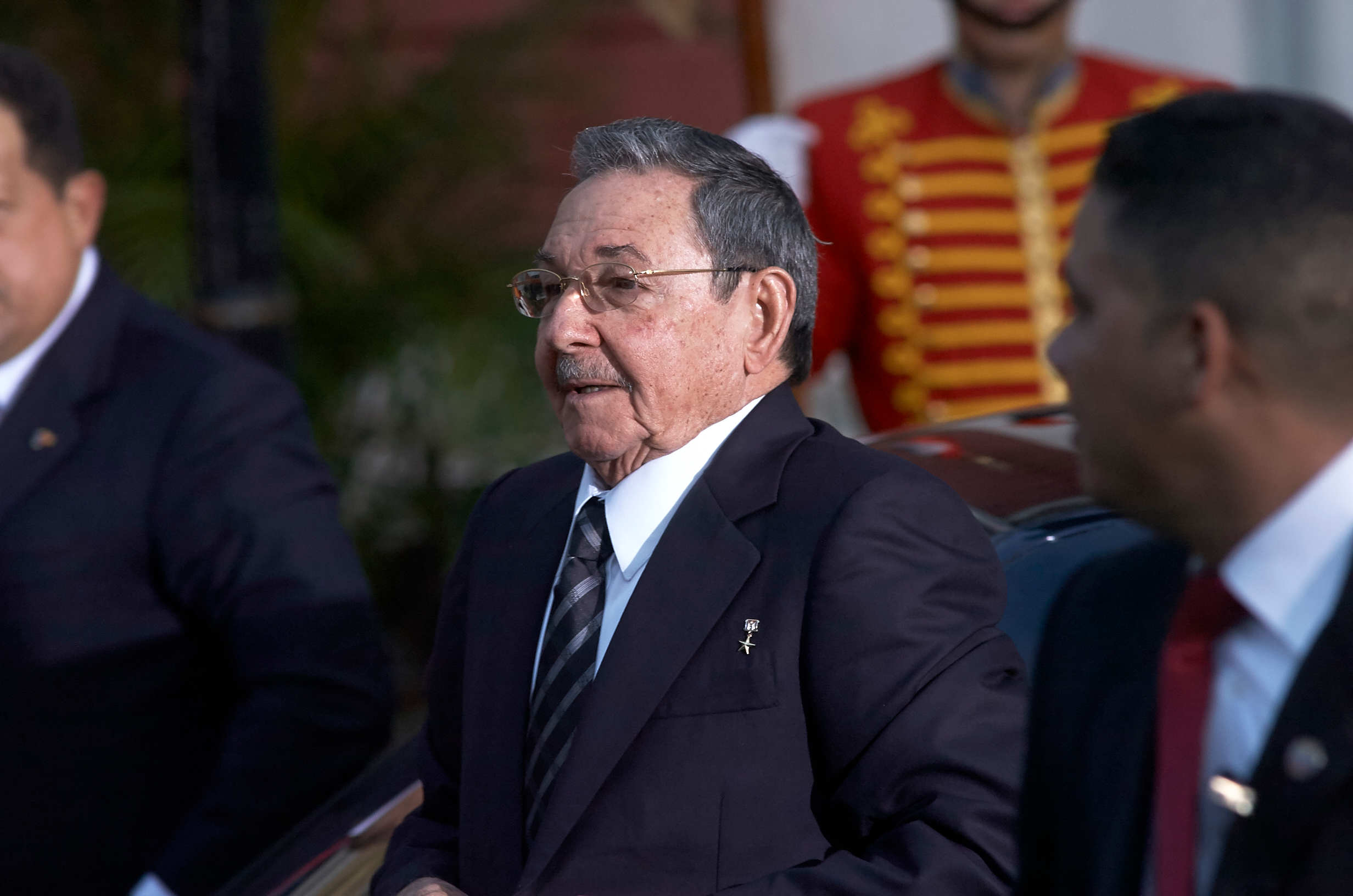
The United States Department of Justice unsealed an indictment on Wednesday May 20, 2026 charging former Cuban President Raul Castro, 94, with conspiracy to kill US nationals, destruction of aircraft and four individual counts of murder, all stemming from the February 24, 1996 shootdown of two unarmed civilian aircraft over international waters that killed four men.
Acting Attorney General Todd Blanche announced the charges at Miami’s Freedom Tower, the historic landmark that has served as a beacon and processing center for Cuban refugees arriving in Florida since the Cuban revolution.
“Over three decades later, we are committed to holding those accountable for the murders of four brave Americans: Carlos Costa, Armando Alejandre Jr., Mario de la Peña, and Pablo Morales,” Blanche said.
“For the first time in nearly 70 years, senior leadership of the Cuban regime has been charged in the United States.”
The grand jury in Miami returned the indictment on April 23. Today, May 20, is Cuban Independence Day, the day in 1902 when United States occupation of Cuba ended. The timing is not accidental.
The 1996 Shootdown And The Four Men Who Died
The Brothers to the Rescue were a Cuban-American humanitarian organization founded in 1991 to do something specific and dangerous, fly small civilian aircraft over the Straits of Florida looking for Cuban rafters attempting the crossing to the United States.
The Straits are among the most dangerous stretches of water in the world for small boats and improvised rafts. People drowning, dying of dehydration and exposure, disappearing in the current, Brothers to the Rescue pilots spotted them, called in their positions and made it possible for the US Coast Guard to rescue people who would otherwise have died.
The organization saved approximately 4,200 lives between 1991 and 1996.
By the mid-1990s, Brothers to the Rescue had also begun flying over Cuban territory dropping leaflets, a shift in mission that the Cuban government characterized as hostile provocation rather than humanitarian work.
The tension between the organization and the Cuban government had been building for years when February 24, 1996 arrived.
On that afternoon, two unarmed Brothers to the Rescue Cessna aircraft were flying their mission.
The Cuban Air Force intercepted them. Two MiG-29 jets fired air-to-air missiles at the civilian aircraft. The planes were destroyed. Four people died.
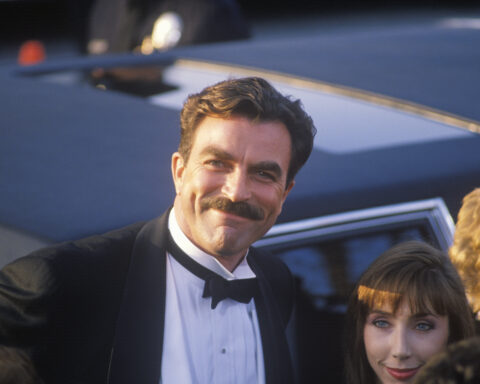
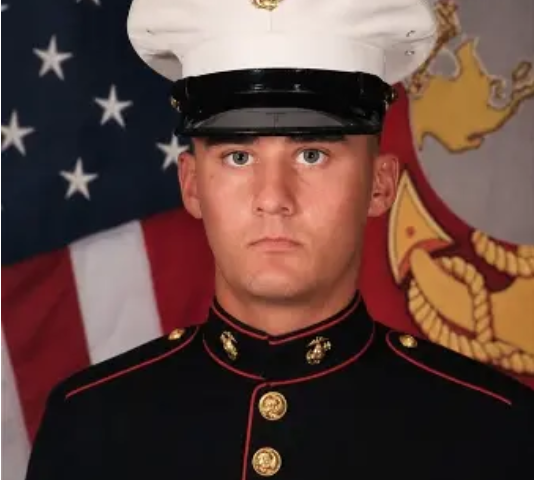
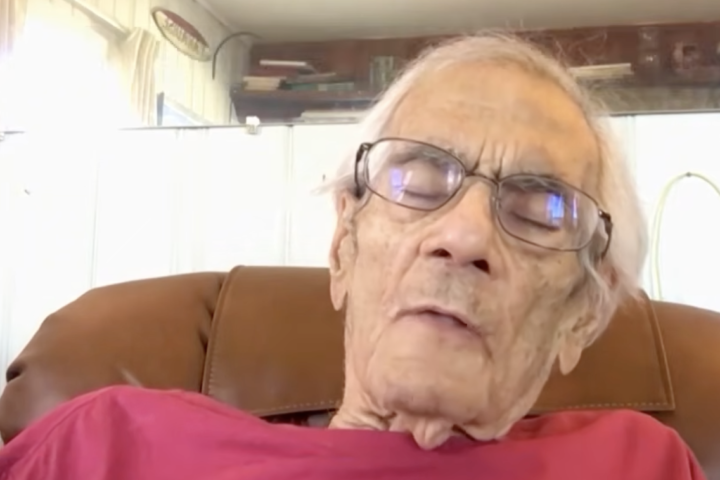
Carlos Costa. Armando Alejandre Jr. Mario de la Peña. Pablo Morales. Three were United States citizens. One was a permanent US resident.
All four were doing what Brothers to the Rescue did, flying in civilian aircraft, unarmed, over what the United States government and the International Civil Aviation Organization both concluded was international airspace.
The Cuban government said the planes were in Cuban airspace and that Brothers to the Rescue was a terrorist organization. The ICAO investigation concluded otherwise.
The Clinton administration imposed additional sanctions on Cuba after the shootdown. The Helms-Burton Act was signed into law. Relations between the United States and Cuba, already hostile for more than three decades, worsened.
The four men who died were mourned by their families and the Cuban-American community and remained a specific and unresolved grievance for the three decades that followed.
The Indictment And What It Charges
The superseding indictment unsealed Wednesday names six defendants. Raul Castro, who served as President of Cuba from 2008 until 2018, having succeeded his brother Fidel, and who remains one of the most powerful figures in Cuban politics despite his formal retirement, is the central defendant.
The five co-defendants are Lorenzo Alberto Perez-Perez of Las Tunas, Cuba, Emilio José Palacio Blanco, José Fidel Gual Barzaga, Raul Simanca Cardenas, and Luis Raul Gonzalez-Pardo Rodriguez.
The charges include conspiracy to kill US nationals, destruction of aircraft and four individual counts of murder, one for each of the four victims.
The maximum penalty on the murder and conspiracy charges is death or life imprisonment. Each destruction of aircraft count carries a maximum of five years.
The indictment represents the most significant criminal charges the United States government has ever brought against senior leadership of the Cuban government.
Blanche’s comment that this was “the first time in nearly 70 years” that senior Cuban regime leadership had been charged in the United States frames the indictment in its historical context.
The Cuban revolution took power in 1959.
For 67 years, the leaders of the Cuban state have operated without facing US criminal prosecution, regardless of what the US government believed about their conduct toward American citizens.
Wednesday changed that.
Why Is This Happening Now?
The Trump administration’s approach to Cuba under Secretary of State Marco Rubio, who was born to Cuban parents and who has made Cuba policy a defining issue of his political career, has been more aggressive than any US government posture toward Cuba since the early years of the Cold War.
Cuba remains designated as a State Sponsor of Terrorism. The administration has tightened sanctions. Rubio has been publicly vocal about regime change as a policy goal.
CNN’s analysis of the indictment stated directly what the strategic logic appears to be:
“The Trump administration’s indictment of Raul Castro is aimed at further pressuring the Cuban regime into a deal to open up its economy, while making clear that military action is now an option if President Donald Trump so chooses it.”
The comparison being drawn in Washington is to Venezuela, where a US military and intelligence operation contributed to the removal of former President Nicolás Maduro and the installation of more favorable leadership.
Representative Carlos Gimenez, the only current member of Congress born in Cuba, told CNN that the indictment gives the United States “the legal basis to go and remove” Raul Castro from Cuba.
The phrase “legal basis” is the specific language of the Venezuela parallel, an indictment creates the same kind of formal legal predicate that preceded the Maduro operation.
Whether military action against Cuba is imminent is a different question. CNN’s reporting noted that with the Iran war already occupying the White House’s military and diplomatic attention, another major military operation is not considered likely in the near term.
The indictment establishes the legal architecture. What is built on top of that architecture depends on decisions not yet made.
The Response From Cuba
Cuba’s current President Miguel Diaz-Canel responded on social media in the hours after the announcement.
He wrote that Cuba had acted in “legitimate self-defense” in the 1996 shootdown and called Raul Castro “a hero” loved by his people. The Cuban foreign ministry did not immediately respond to requests for comment from international media.
The practical reality of the indictment is that Raul Castro is 94 years old, has not left Cuba and is living in a country that has no extradition treaty with the United States and whose government has no intention of surrendering him.
The last confirmed public appearance of Castro in Cuba was earlier in May 2026. There is no evidence he has traveled internationally.
An indictment of a foreign national who is not in US custody and whose government will not extradite them is, in the short term, a legal document rather than an arrest.
What it creates is a permanent international warrant, if Castro or any of the co-defendants ever travel outside Cuba to a jurisdiction with an extradition relationship with the United States, they face arrest.
It also creates the formal legal predicate that Gimenez referenced.
Blanche announced the charges at the Freedom Tower in Miami, the building that processed thousands of Cuban refugees fleeing the Castro regime over the decades since the revolution.
The symbolism of that location on Cuban Independence Day was deliberate.
The message is directed at the 94-year-old man in Holguin, Cuba and at the government that still surrounds him, and at the families of Carlos Costa, Armando Alejandre Jr., Mario de la Peña and Pablo Morales, who have been waiting thirty years.