Garth Brooks Is Exploring A Catalog Sale Worth Up To Two Billion Dollars
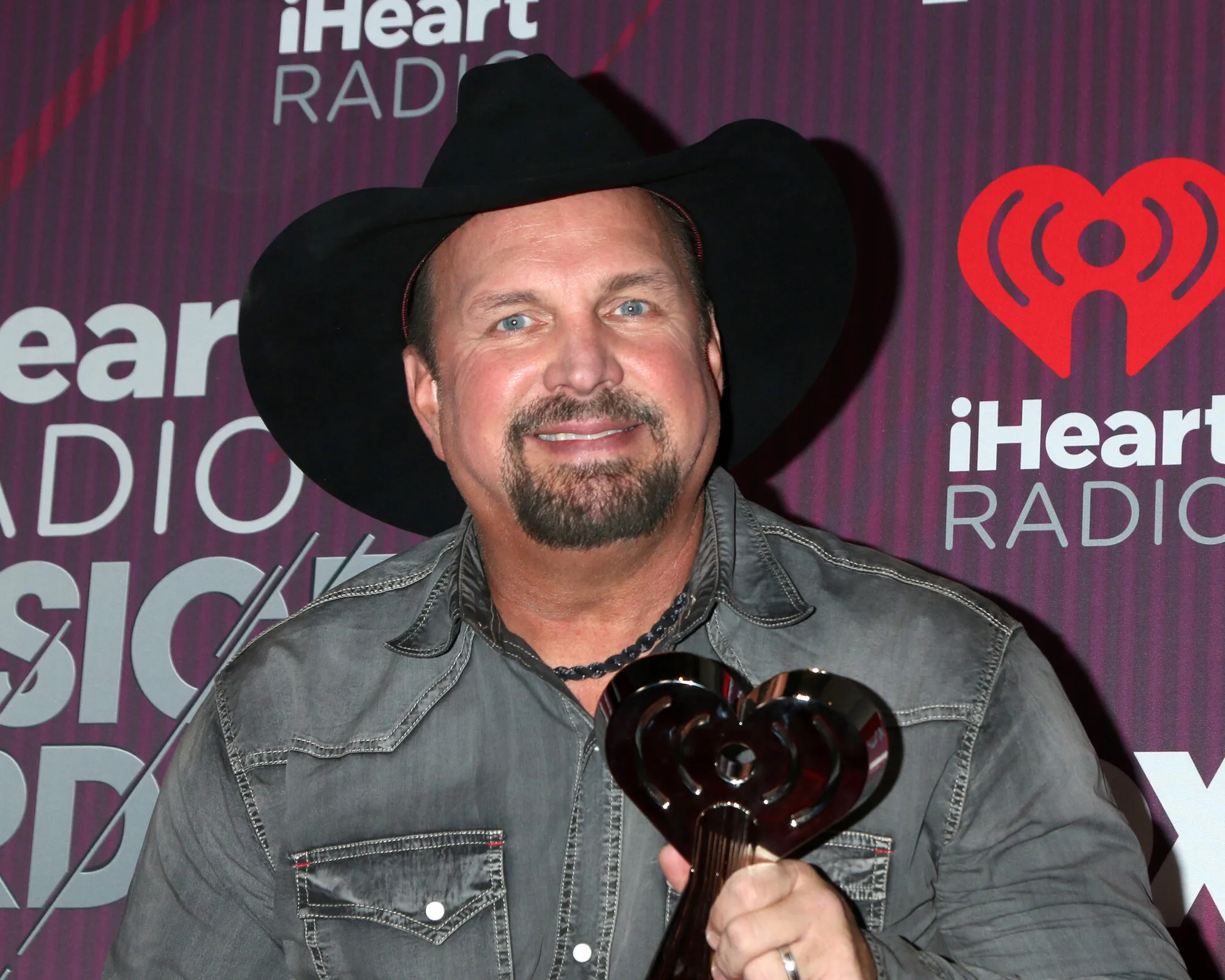
Garth Brooks, the best-selling solo recording artist in American history with more than 170 million certified album sales, is exploring the sale of his music catalog at a valuation of up to $2 billion, the Wall Street Journal reported Tuesday, citing people familiar with the matter.
The potential deal would include both his songwriting rights and his recorded music masters and would rank, if completed at the high end, as the largest individual artist catalog sale ever recorded.
Brooks has recently discussed valuations ranging from $1 billion to over $2 billion with potential investors, the Journal reported.
No deal has been announced. Brooks did not immediately respond to requests for comment. The specific buyers or investors in those discussions were not identified in the report.
The size of the number reflects the size of the catalog. Garth Brooks is not a legacy artist with a modest library of songs.
He is the artist who sold more records in the United States than anyone, individually, who has ever recorded. More than Elvis Presley. More than Michael Jackson.
More than the Beatles. His decade-long dominance of country music in the 1990s produced a catalog that remains the soundtrack of a generation and that continues generating revenue across streaming, sync licensing, touring and radio decades after the original releases.
The Catalog And What It Contains
The Garth Brooks catalog that would be sold in a deal of this scale encompasses the songwriting and recorded music rights to more than 30 years of commercial country music, from his 1989 debut through the retirement period of the 2000s and the celebrated return that began in 2014.
The songs embedded in American culture at a level that few artists of any genre achieve include Friends in Low Places, The Dance, The Thunder Rolls, Unanswered Prayers, Shameless, What She's Doing Now, Standing Outside the Fire, Callin' Baton Rouge and Ain't Goin' Down, among dozens more.
What makes the Brooks catalog particularly valuable, and what makes the potential $2 billion valuation both ambitious and defensible, is the specific combination of scale, duration and ownership structure.
Most legacy artists sold or licensed their masters to labels during their careers as part of record deals that transferred ownership of the recordings in exchange for advances and royalties. Brooks structured his relationship with his catalog differently.
He owns his masters. Both the songwriting rights, the publishing, and the recorded music rights, the masters, are assets he controls.
That ownership structure is what the Journal's report captures when it notes the deal would include both categories. For a catalog buyer, acquiring both publishing and masters from a single artist at once is a significantly more complete commercial package than acquiring only one.
Publishing generates income every time a song is performed, covered, licensed for film or television, or streamed. Masters generate income every time the original recording is played or licensed. Owning both means capturing the full economic value of every use.
How This Compares To The Biggest Catalog Sales In History
The catalog sale market has transformed across the past decade from an occasional occurrence into a robust asset class, with investment funds, major labels and dedicated music rights companies all competing to acquire the publishing and master rights of established artists.
The Garth Brooks valuation discussion sits at the top of a market that has produced a series of landmark transactions.
Bruce Springsteen sold his entire catalog, both publishing and masters, to Sony Music in a deal Billboard reported was worth approximately $500 million in 2021. At the time it was described as one of the largest individual artist transactions ever.
Bob Dylan sold his songwriting catalog to Universal Music in 2020 for a reported $300 to $400 million, publishing only, not masters.
Neil Young sold half his publishing catalog to Hipgnosis for approximately $150 million in 2021 and later sold a further stake.
Paul Simon sold his catalog to Sony Music for a reported $250 million. Shakira sold her catalog to Hipgnosis for approximately $300 million.
The largest transactions in that range, Springsteen's $500 million deal being the benchmark, are approximately a quarter of the low end of the range Brooks is reportedly discussing.
The scale of the Brooks conversation reflects both the size of his certified sales, 170 million albums in the United States alone, at a time when physical album sales were the primary metric of commercial music success, and the premium the market currently places on evergreen catalog assets that generate consistent income across multiple revenue streams simultaneously.
The $2 billion figure would be the largest individual artist catalog sale in the history of the music business, full stop, by a significant margin.
Why Brooks May Be Selling Now
The decision to explore a catalog sale is rarely purely financial for an artist of Brooks's stature, the money is already there.
The conversations are typically driven by a combination of estate planning, liquidity preference, tax strategy and the specific moment in an artist's career when the accumulated value of decades of work has reached a point where monetizing it makes structural sense.
Brooks is 64 years old. He returned to active touring and performing in 2014 after a decade-long retirement during which he focused on raising his three daughters.
The return has been commercially extraordinary, his Las Vegas residency at the Colosseum at Caesars Palace has been one of the Strip's most consistently sold-out country experiences, his Summerfest 2026 appearances in Milwaukee generated so much demand that a second show was added, and his planned return to the United Kingdom, his first shows there in nearly 30 years, reflects a global market appetite for his live performances that has not diminished with age.
An artist who is still actively touring, still performing for sold-out arenas and still generating the kind of demand that forces concert venues to add dates has the maximum possible leverage in any catalog negotiation.
The value of a music catalog is driven partly by the current relevance and streaming activity of the music, and an artist who is in the news for tour dates and new music is an artist whose catalog is generating above-average attention. The moment to negotiate is when your catalog is at maximum visibility, which, for Brooks in 2026, it is.
The Streaming Chapter That Changed Everything
Any discussion of the Garth Brooks catalog is incomplete without the streaming chapter, the years during which Brooks refused to make his music available on Spotify, Apple Music and other major platforms, citing concerns about how streaming revenue was distributed to artists and songwriters.
During that period, his music was available on Amazon Music and through his own website, but absent from the platforms where the majority of music consumption was migrating.
That holdout ended, his music became available on all major platforms, but the years of absence from Spotify and Apple Music created a specific dynamic in his catalog's streaming performance.
The audience that would have been discovering his music through algorithmic recommendation on those platforms during his absence found other artists instead.
The catalog's streaming numbers have been building since his return to those platforms but may not yet fully reflect the potential embedded in a library of songs that sold 170 million copies in physical format.
For a catalog buyer, that represents upside rather than a liability. The difference between where his streaming numbers are and where they could be, given the size of the catalog and the enduring familiarity of his most recognizable songs, is the growth thesis that makes an acquisition price of $1 to $2 billion a potentially reasonable entry point rather than an overpayment.
What Friends In Low Places Is Actually Worth
The song that most comprehensively represents what a Garth Brooks catalog acquisition would include is Friends in Low Places, the 1990 debut single that became one of the most performed country songs in history, a bar-closing anthem that has been sung in bars and sports arenas and wedding receptions for 36 years and that shows no meaningful sign of losing its cultural function.
That one song, its publishing generating royalties every time it is performed, covered, licensed or streamed, its master generating income every time the original recording is played, is embedded in American social life at the level that only a small number of songs in any genre achieve. The dance. The thunder rolling.
The unanswered prayer. The shameless. These are not simply songs in a commercial catalog.
They are cultural artifacts that have been attached to the emotional memories of tens of millions of Americans across three decades of weddings, funerals, road trips and Saturday nights.
No deal has been completed. No buyer has been publicly identified. The conversations are ongoing. At $2 billion, it would be the largest catalog sale in the history of recorded music.