John Bolton Has Agreed To A Plea Deal And Will Pay Over $2 Million Dollars
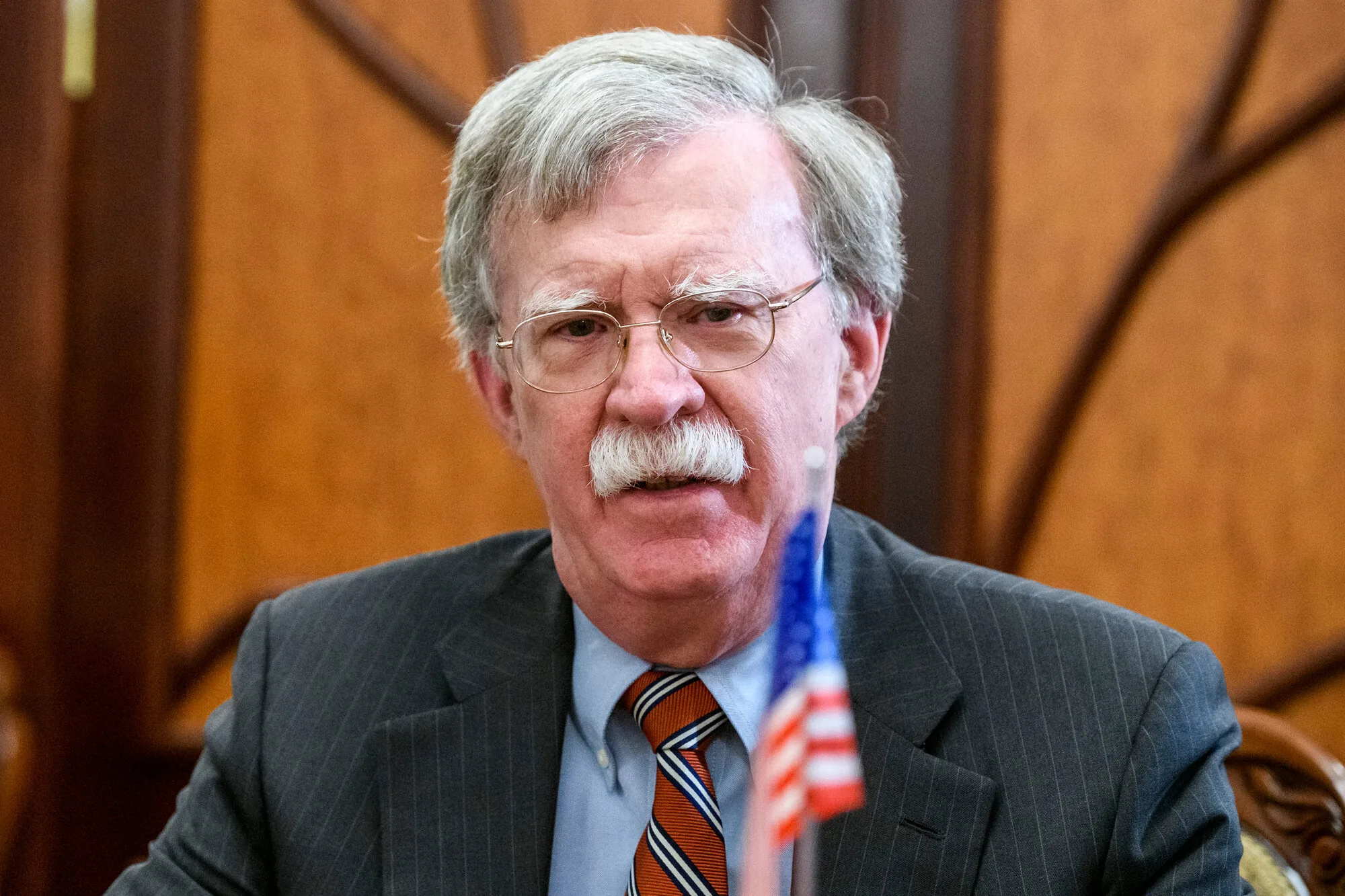
John Bolton, the former national security advisor who served President Trump during his first term and became one of his most prominent critics afterward, has reached a plea deal with the Justice Department that will see him plead guilty to a single felony count of illegal retention of sensitive national security information, according to CNN, the Associated Press and NBC News, all reporting Thursday morning based on multiple sources familiar with the matter.
Bolton, 77, has agreed to pay more than $2 million in fines as part of the deal. The potential prison sentence on one count of illegal retention runs from zero to 60 months, meaning he could avoid prison time entirely, with the specific sentence to be determined at sentencing.
A re-arraignment hearing, the court proceeding that formally signals a plea agreement has been reached, is scheduled for June 26 in federal court in Greenbelt, Maryland before U.S. District Judge Theodore Chuang.
The deal resolves a case that began with an 18-count indictment filed in October 2025, in which Bolton was charged with eight counts of transmission of national defense information and ten counts of retention of national defense information.
He pleaded not guilty on October 17, 2025. He will now plead guilty to one of those eighteen counts.
What Is Bolton Pleading Guilty To?
The specific charge to which Bolton will plead guilty is narrated clearly in the prosecution's filings and confirmed by multiple sources.
From 2018, when he began serving as national security advisor, through August 2025, Bolton kept diary-like entries documenting his day-to-day activities as the nation's senior national security official.
Those entries contained information classified at the Top Secret and Sensitive Compartmented Information levels, some of the most sensitive categories of classified material the United States government produces.
Bolton shared more than a thousand pages of that material through his personal email account with two individuals who did not hold security clearances, identified by reporting from multiple outlets as his wife and daughter.
The purpose, according to prosecutors, was preparing for the memoir he eventually published as "The Room Where It Happened" in June 2020.
What is specifically not included in the plea deal is notable. Bolton is not pleading guilty to the transmission charges, the sharing of the material with his relatives via email.
He is pleading guilty only to the retention element, that he kept classified information in an unauthorized personal format.
He is also not being charged with anything related to what was actually published in his memoir, which contained detailed accounts of his time in the Trump White House that Trump tried and failed to prevent from being published through the courts in 2020.
The practical meaning of the distinction is that Bolton admits to having kept the classified diary notes rather than to having actively distributed national security information. The charge he is pleading guilty to is the narrower of the two categories in his indictment.
The Petraeus Parallel
Multiple legal analysts covering the case have drawn comparisons to the 2015 plea agreement of retired General David Petraeus, who served as CIA Director before resigning following revelations that he had shared classified notebooks with his biographer and romantic partner Paula Broadwell.
Petraeus pleaded guilty in April 2015 to a single misdemeanor count of unauthorized removal and retention of classified information, paid a $100,000 fine and received two years of probation.
The Bolton case follows the same factual template, a senior government official keeping diary-like records of classified conversations and activities, sharing them with unauthorized individuals while preparing a memoir, but with two significant differences.
The individuals with whom Bolton shared the material were family members, not a romantic partner or a person with public interest journalistic standing. And the charge Bolton is pleading guilty to is a felony rather than a misdemeanor.
The felony designation reflects either the severity of the classified information involved, Bolton's diary covered Top Secret/SCI material at the highest classification levels, or the DOJ's assessment of how to treat the case given its political context, or both.
Petraeus paid $100,000 and received probation. Bolton will pay more than $2 million and faces a potential prison sentence of up to five years, though the zero-to-sixty-months range leaves the door open for a sentence identical in practical terms to what Petraeus received.
The Investigation That Found The Documents
The case against Bolton has an unusual origin that is worth understanding. The Justice Department opened a first investigation in 2020, during Trump's first term, looking at the classified material in Bolton's memoir and related documents. That investigation was closed within a year without charges.
The second investigation, the one that led to October's indictment and Thursday's plea deal, opened after Iranian hackers accessed Bolton's personal email accounts.
The hack, discovered during the Biden administration, exposed the "more than a thousand pages" of diary entries that Bolton had been emailing to his relatives as research material. Investigators who were initially looking at the hack's scope discovered the classified content that formed the basis of the 18-count indictment.
Bolton has consistently argued that the timing and motivation of his prosecution is political, that the second investigation and the indictment were driven by Trump's desire to punish him for public criticism rather than genuine national security concern.
His statement when indicted in October 2025 described the charges as part of an "intensive effort" by Trump to intimidate his opponents and "ensure that he alone determines what is said about his conduct." He said he was innocent.
His decision to enter a guilty plea rather than proceed to trial resolves the criminal case without answering that larger question. The plea deal does not require Bolton to withdraw or modify any of the public statements he has made about Trump.
It does require him to admit to retaining classified information, a factual admission about conduct that the evidence, when his emails were accessed following the Iranian hack, had apparently made difficult to contest.
The Broader Pattern Of Trump Critic Prosecutions
Bolton is the third prominent Trump critic to face federal criminal charges under the current Justice Department.
Former FBI Director James Comey was indicted in late 2025 for allegedly lying to Congress and pleaded not guilty, that case is ongoing.
Former New York Attorney General Letitia James was charged with bank fraud following a criminal referral submitted by Bill Pulte's FHFA and pleaded not guilty, that case is also ongoing.
The Trump administration has been explicit about characterizing these prosecutions as accountability rather than retribution, as the criminal justice system addressing conduct that a previous administration declined to prosecute.
Critics have argued that the concentration of prosecutions against former administration officials who became Trump's adversaries reflects a politicization of the DOJ that sets a dangerous precedent regardless of the underlying legal merits of individual cases.
Bolton's case sits in that contested space. The factual conduct to which he will plead guilty, keeping classified diary notes in an unauthorized format and sharing them with family members while preparing a memoir, is real.
The question of whether that conduct would have been prosecuted at the same level of intensity if Bolton had remained a Trump ally rather than becoming a Trump critic is the question that his plea deal leaves unanswered.
His re-arraignment is June 26.