Israel Cave Discovery Near Fureidis Reveals A 400,000 Year Old Time Capsule From Before Neanderthals Existed
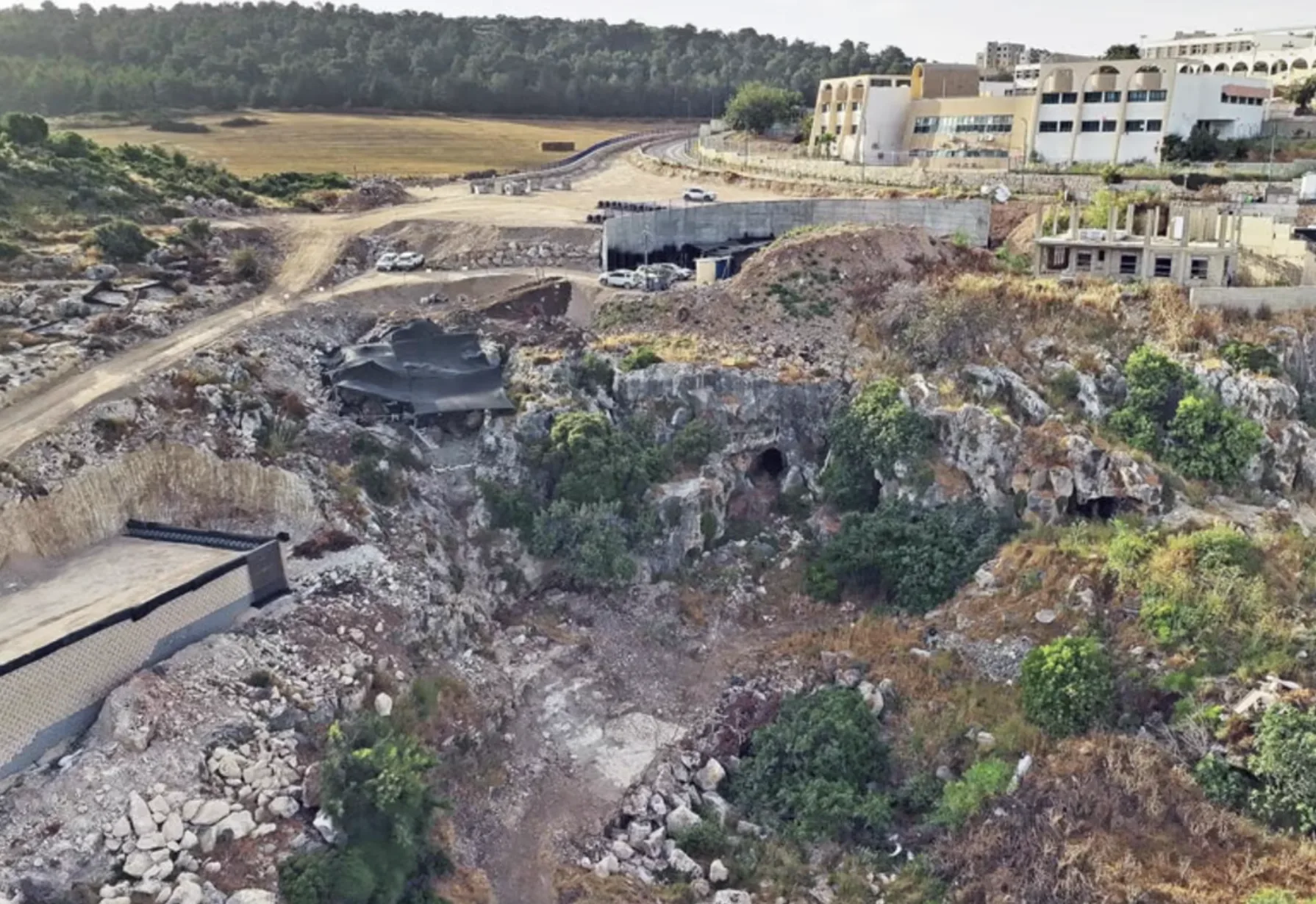
Archaeologists in Israel have uncovered a cave near the town of Fureidis, south of Haifa, that was sealed and untouched for roughly 400,000 years, preserving a rare snapshot of life from a period that scientists know very little about, just before Neanderthals and modern humans spread across the world.
The site, announced by the Israel Antiquities Authority and the University of Haifa, was found because the cave's collapsed roof had protected it for thousands of generations.
The cave was originally slated for demolition to make way for a new road into Fureidis. Researchers had assumed in the 1970s that it dated back only about 200,000 years.
When archaeologist Kobi Vardi and University of Haifa professor Ron Shimelmitz dug deeper, they found flint tools, hand axes, scrapers and blades, characteristic of the Acheulo-Yabrudian culture, pushing the date back to between 400,000 and 250,000 years. "It was a big surprise," Vardi told CNN.
Researchers also found bones from gazelles, deer and ancient horses, along with evidence of nearby water sources, suggesting the cave was an attractive gathering spot for hunter-gatherer groups who returned to it repeatedly.
Shimelmitz said the findings point to "complex and rich camp life," including controlled use of fire and possibly larger social groups than archaeologists previously associated with this period.
No human remains have been found yet. "Our great hopes in excavating these caves are that perhaps we will find remains of a hominin," Vardi said. "We very much want to meet them."
Only a handful of sites from this exact window in prehistory have ever been found in the Near East.
A road bridge has now been built over the cave to protect it while excavation continues, work researchers expect to last several years.