Scientists Finally Identified The Space Rock That Killed The Dinosaurs
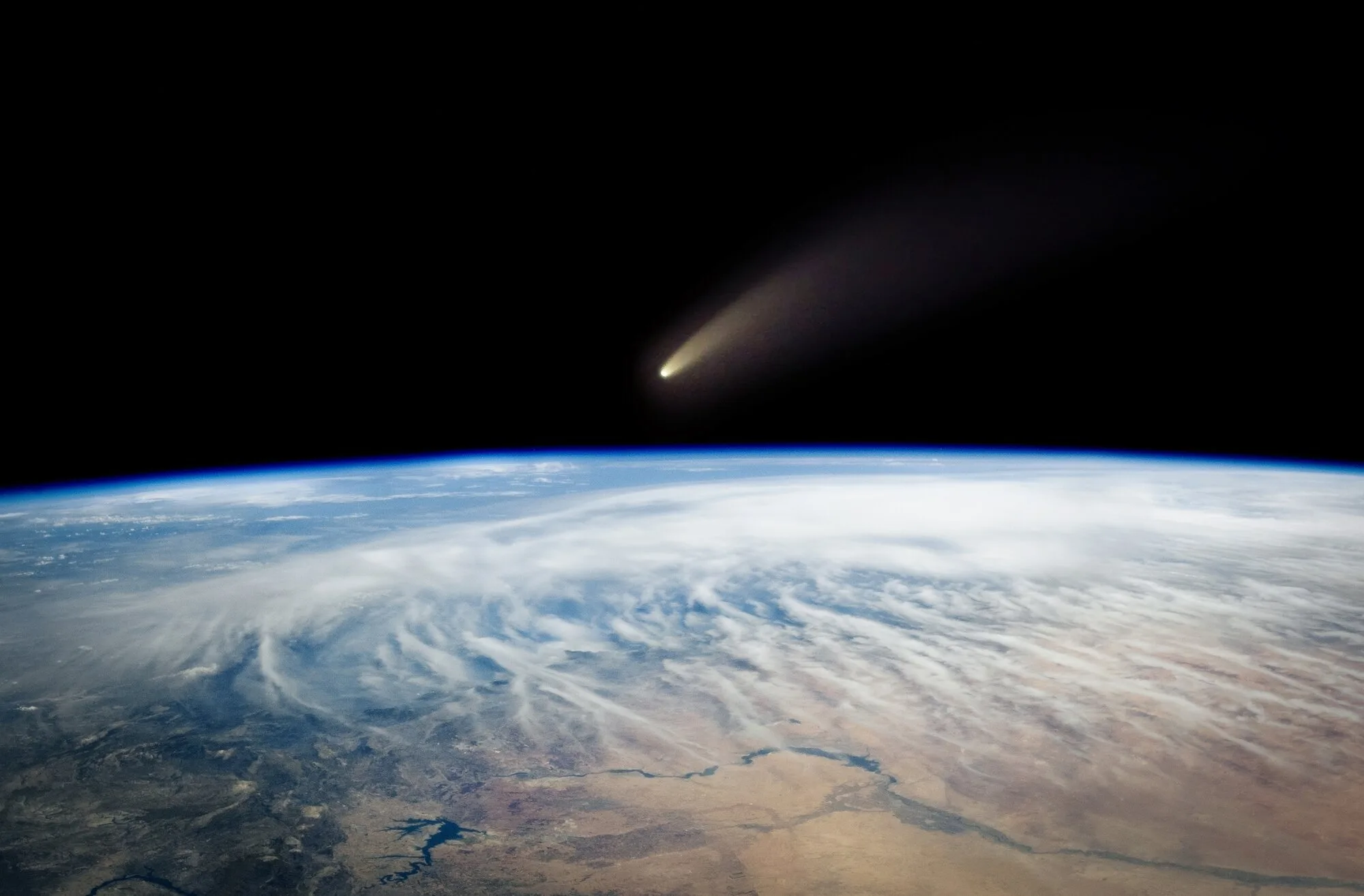
Scientists have identified the type of meteorite that struck Earth 66 million years ago and wiped out the non-avian dinosaurs, and the finding, published Saturday in Science Advances by researchers at the University of British Columbia alongside teams from Paris, Brussels and Vienna, changes one key assumption about how the extinction unfolded.
The impactor was a CO chondrite, an exceptionally rare type of meteorite from a distant region of the outer solar system. CO chondrites make up fewer than 1 percent of meteorites found on Earth.
The team identified it by analyzing nickel isotopes in rock samples from the Cretaceous-Paleogene boundary layer, the thin geological record of the impact, and matching the isotopic signature to meteorite classes.
The surprising implication is about sulfur. Scientists have long assumed that sulfur vaporized from the impacting asteroid played a significant role in the mass extinction by cooling the climate and blocking sunlight. CO chondrites contain much less sulfur than most other meteorite types.
That means the sulfur in the impactor itself was probably not the primary driver of the catastrophe. Instead, the fine debris and dust ejected into the atmosphere, the planet-cooling effect of the impact itself, was likely the dominant cause. The how-it-happened math has to be revised.
None of this changes the what-happened part. The asteroid hit. The dinosaurs died. The mechanism is just slightly different than assumed.