Strawberry Moon 2026 Rises June 29 And Here Is How To See It
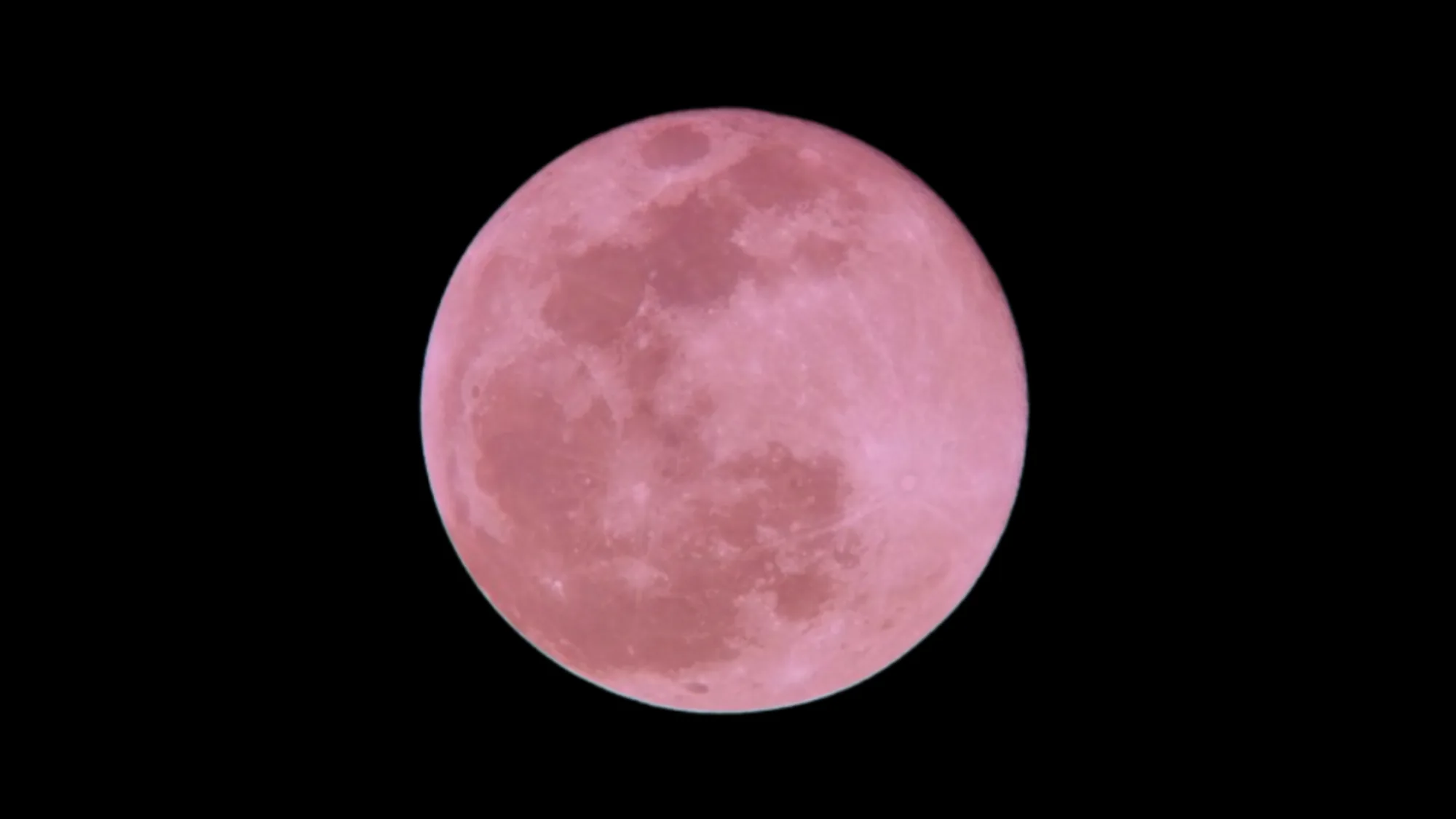
The Strawberry Moon, June's full moon, reaches peak illumination on Monday June 29 at 7:57 PM Eastern Time. That is one week from today.
You do not need a telescope, a dark sky or any equipment at all. You need to face southeast at sunset, let your eyes adjust and wait for the largest, warmest-looking full moon of the year to climb over the horizon.
The name Strawberry Moon comes from the Algonquin and other Native American tribes who used it to mark the time of year when wild strawberries ripen and were ready to harvest.
It has nothing to do with the moon's color, though it will appear orange and golden near the horizon as its light filters through the atmosphere, which is its own kind of reward.
European names for the same full moon include the Rose Moon, the Honey Moon, the Mead Moon and the Hot Moon, all of them rooted in what midsummer meant to the cultures that named it.
June was traditionally the month of marriage in Europe, named after the Roman goddess Juno, and the Honey Moon that followed the wedding may have been literally this moon.
The Strawberry Moon is the first full moon after the June 21 summer solstice, and that timing produces something specific and beautiful in the Northern Hemisphere sky.
Because the full moon always rises opposite the sun, and because the June solstice sun rides its highest arc of the year, the June full moon takes its lowest path.
It hugs the southern horizon, rises later and stays lower in the sky than any other full moon of the year.
That low arc means you see it through more atmosphere, which is what turns it golden, orange and occasionally almost red in the minutes after moonrise.
It also means the moon illusion is at its strongest: the moon near the horizon looks dramatically larger than the same moon high overhead, even though the size is identical.
This is the specific full moon that makes people stop their cars and take photos.
When And How To Watch
Peak illumination hits at 7:57 PM Eastern on June 29.
The moon will appear essentially full on the nights of June 28, June 29 and June 30, giving you three chances if one night is cloudy.
The best viewing moment is the twenty minutes around moonrise, when it first clears the southeastern horizon and the atmosphere does its work on the color.
Check your local moonrise time for June 29, it will be close to sunset for most of the eastern US.
You do not need a telescope. You do not need binoculars. You need to find a clear southeastern horizon, a park, an open field, a rooftop, a beach, and be there around the time the sun goes down.
If you want to take a phone photo that actually captures what you see, try night mode with the phone steadied against something solid.
If you want to identify what is nearby in the sky, look about ten degrees to the upper right of the Strawberry Moon at sunset and you will find Antares, the red heart star of the constellation Scorpius, glowing alongside it.
The full moon sits in the constellation Sagittarius. The stars around it will be largely washed out by the moonlight but Antares is bright enough to compete.
June 29. Southeast horizon. Sunset. That is your Strawberry Moon.