
Taylor Swift released the music video for “Elizabeth Taylor” today, March 31, 2026, and the way it was announced tells you exactly what kind of video it is.
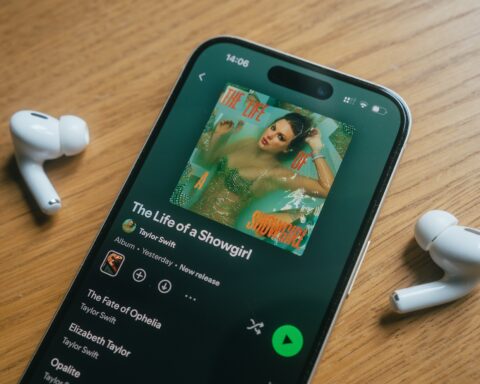
Taylor Nation, Swift’s official fan account on X, posted, “What could you possibly get for the girl on the last day of Women’s History Month? We have something in mind! The Elizabeth Taylor Music Video is out now on Spotify Premium and Apple Music.”
The last day of Women’s History Month. A song honoring one of Hollywood’s most iconic and fiercely independent women. The timing was not accidental.
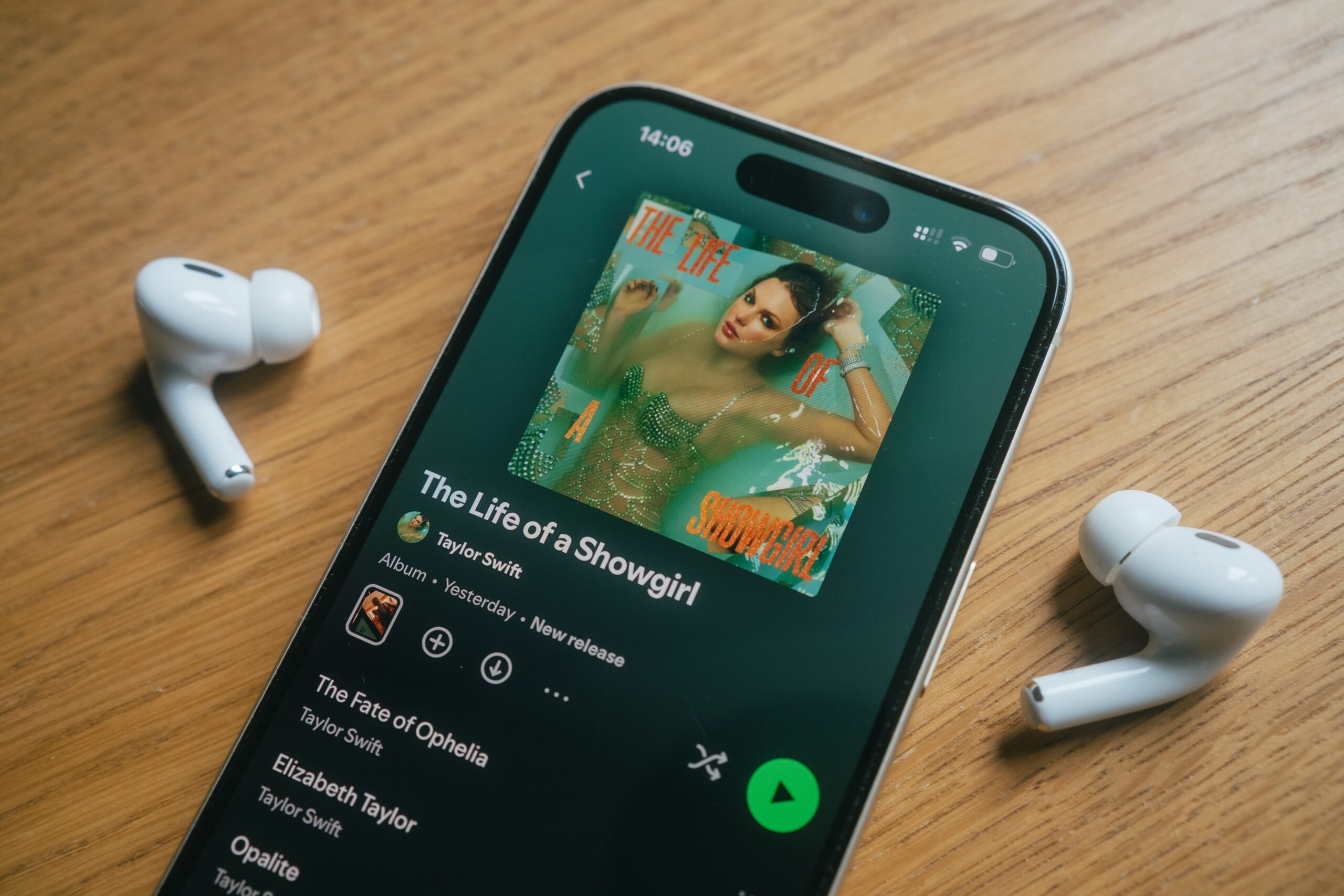
The video is available right now exclusively on Spotify Premium and Apple Music. As of this writing, there is no version on YouTube, which is the same rollout strategy Swift used for the “Opalite” video in February.
That approach is a direct response to YouTube’s decision to stop submitting its streaming data to Billboard in January 2026, meaning YouTube views no longer count toward the Hot 100.
By premiering on Spotify and Apple Music, whose subscription streams Billboard weights heavily, every view of the “Elizabeth Taylor” video counts toward the song’s chart position from the moment it drops.
What Is In The Elizabeth Taylor Music Video?
Unlike the “Opalite” video, which was a full narrative production with a 1990s infomercial premise, a star-studded cast including Graham Norton, Lewis Capaldi, Cillian Murphy, and Domhnall Gleeson, and a story Swift wrote and directed herself, the “Elizabeth Taylor” visual takes a fundamentally different approach.
Rolling Stone describes it as a visual homage to the actress herself, built around clips from Elizabeth Taylor’s life and her classic film catalogue. It is not a story with Swift at the center. It is a tribute to the woman the song was written about.
That distinction matters because it reflects exactly what Swift said the song itself is doing. In an interview on Z100’s Elvis Duran Show, she described it as “sort of my emotions and my issues with fame through the lens of cosplaying the life of Elizabeth Taylor, so you kind of meld the two experiences together.”
The music video appears to honor the cosplay element literally, by putting Elizabeth Taylor herself at the center of the visual, using her own footage and screen presence to carry the weight of the tribute.
The Official Release Party of a Showgirl, the theatrical event that accompanied the album’s launch, featured a staging where one of the key lyrics was written in lipstick on a vanity mirror inside a showgirl dressing room.
That staging echoed a specific scene in Elizabeth Taylor’s 1960 film BUtterfield 8, where her character Gloria Wandrous writes “No Sale” across a mirror at the film’s opening.
Whether the music video draws on similar visual callbacks to Taylor’s filmography is something viewers streaming on Spotify and Apple Music will be discovering today.
What The Song Is And Why This Video Is A Major Moment
“Elizabeth Taylor” is track two on The Life of a Showgirl, Swift’s twelfth studio album released October 3, 2025. It was the first song Swift wrote for the record, and it has been called the emotional centerpiece of the album by multiple critics.
Rolling Stone’s Rob Sheffield identified it as “the key to the whole record.” The New Yorker’s Amanda Petrusich called it one of the album’s “best and heaviest tracks,” describing it as depicting “power and insecurity” simultaneously, which she wrote was the central thesis of the entire album.
The Guardian’s Alexis Petridis said it was the only track on the album with a “killer chorus.”
The song is an orchestral pop and synth-pop ballad running three minutes and 28 seconds. Its production layers heavy snare drums, bass, piano, programmed strings, and orchestration over electronic beats.
The Independent’s Roisin O’Connor compared the piano to the soundtrack of Succession. Billboard’s Jason Lipshutz wrote that the vocal harmonies and instrumentation evoke the Reputation track “Don’t Blame Me.”
The chorus drops into something dramatically bigger than the verses, which is where the song earns its reputation as the most cinematic track on the album.
As a single, “Elizabeth Taylor” was sent to US radio on March 9, 2026, becoming the album’s third official single after “The Fate of Ophelia” and “Opalite,” both of which reached number one on the Billboard Hot 100.
Upon the album’s October release, the song had already peaked at number three on the Billboard Global 200 and in the top three across more than a dozen countries including the US, UK, Australia, Canada, and Ireland, without a dedicated radio push.
The single campaign is now giving it a second chart life, and the music video drops today as the most high-profile piece of visual content tied to the song since the album launched.
What The Song Says About Elizabeth Taylor
The lyrics of “Elizabeth Taylor” are dense with specific biographical references to the actress, and the music video’s use of clips from Taylor’s life will give each one a direct visual counterpart for viewers paying attention.
The verse opens with “That view of Portofino was on my mind / when you called me at the Plaza Athénée.” Both references are specific: Portofino, Italy is where Richard Burton proposed to Elizabeth Taylor in 1964 on the wisteria-covered balcony of the Hotel Splendido’s Suite 471.
The Hôtel Plaza Athénée in Paris is where Taylor and Burton lived together for six months during one of their most celebrated periods.
The chorus hook, “I’d cry my eyes violet, Elizabeth Taylor,” references the famous perception of Taylor’s violet-hued eyes, an optical effect created by an unusual double row of lashes around naturally blue irises.
The line “All my white diamonds and lovers are forever” references Taylor’s White Diamonds fragrance, launched in 1991 and one of the best-selling celebrity perfumes ever made, alongside her legendary jewelry collection.
The reference to “the best booth at Musso and Frank’s” places the song at the Hollywood institution on Hollywood Boulevard that Taylor frequented in the 1950s.
The line “You’re only as hot as your last hit, baby” is not about Elizabeth Taylor. It is about Swift herself. This is what she means when she describes the song as a cosplay, she is inside Taylor’s story, but the anxieties are her own.
How This Video Fits Into The Bigger Rollout
All three music videos from The Life of a Showgirl have now been released. “The Fate of Ophelia” dropped on October 5, 2025, two days after the album, and spent ten weeks at number one on the Hot 100, Swift’s longest-running chart-topper.
“Opalite” dropped February 6, 2026, exclusively on Spotify and Apple Music before arriving on YouTube two days later, and pushed that song to number one as well, giving Swift two Hot 100 chart-toppers from a single album for the first time since 1989 in 2014.
Each of the three videos has been a distinctly different production, “The Fate of Ophelia” established the visual language of the album, “Opalite” was a full narrative comedy with celebrity cameos, and “Elizabeth Taylor” is a tribute film built around archival footage of its subject.
The announcement was made on the last day of Women’s History Month. The song honors a woman who spent her entire public life being written about, speculated over, and reduced to her relationships, and who spent that same life making increasingly daring art and refusing to become smaller.
Swift has said she admired how Taylor responded to polarizing public opinion by taking bigger risks. “She kept making more and more daring art,” Swift told Jimmy Fallon. “It’s almost like the more polarizing people were about her, the more she just kept doing even more challenging roles.”
A 7-inch vinyl of “Elizabeth Taylor” with the “So Glamorous Cabaret Version” as the B-side releases April 18, 2026 as part of Record Store Day, pressed to 3,500 copies.
The music video is streaming now on Spotify Premium and Apple Music.