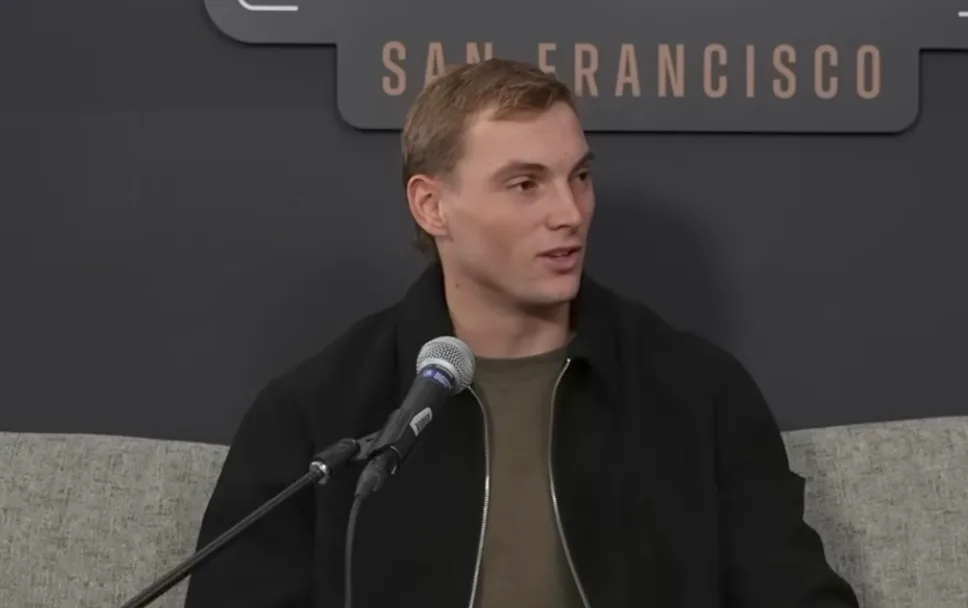
Charlie Dalin, Vendée Globe Champion Who Raced With Cancer, Dead At 42
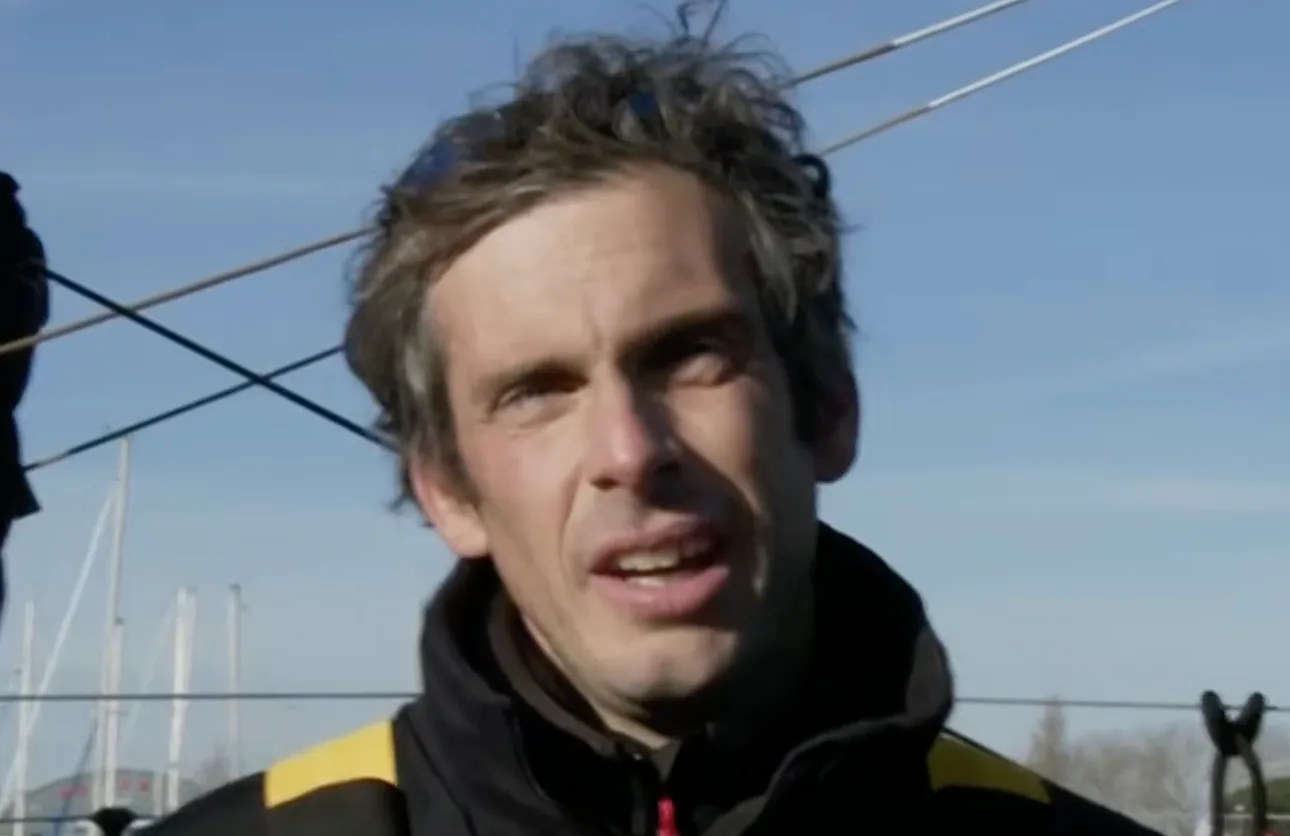
Charlie Dalin died on Thursday. He was 42 years old. He had gastrointestinal cancer, which he was diagnosed with in 2023, which he told no one about before getting in a boat in Les Sables-d'Olonne, France in late 2024, sailing alone around the entire world, south past Africa, south past Australia, around Cape Horn, and returning to Les Sables-d'Olonne in January 2025 having set a new course record by nearly ten days.
Vendée Globe organizers announced his death Thursday. French President Emmanuel Macron paid tribute to what Dalin had been: "An extraordinary sailor, a rare example of courage, a guiding light on the open sea."
The Vendée Globe is the most extreme solo sailing race on Earth. No assistance. No stops.
The three great capes, Good Hope, Leeuwin, Horn, all to be rounded at the bottom of the world where the Southern Ocean is the coldest, the roughest and the most unforgiving body of water the planet has.
In the 2024-25 edition, Dalin completed it in less than 65 days, approximately 64 days, 19 hours, 22 minutes and 49 seconds, nearly ten days faster than the previous record of 74 days set by Armel Le Cléac'h in 2016-17.
He did it knowing he had cancer. He did it without telling anyone he had cancer. He told the world after he had already won.
The Race He Was Owed
The 2024-25 Vendée Globe was not Charlie Dalin's first attempt. In the 2020-21 edition, he crossed the finish line first, physically arrived in port before any other boat, and did not win the race.
During the Southern Ocean crossing, the boat of fellow competitor Kevin Escoffier sank. Dalin was nearby. He diverted from his race course to assist in the rescue operation for Escoffier and then resumed sailing.
The rules of the Vendée Globe carry a time penalty for safety assistance rendered during the race, a provision designed to make the decision to help another competitor a racing decision as well as a human one, to prevent the penalty from being so severe that skippers would not help sailors in distress.
Dalin's penalty was 16 hours. He had arrived in port approximately 2 hours and 31 minutes ahead of Yannick Bestaven. Bestaven's accumulated time credits left him with a corrected finishing time ahead of Dalin. Bestaven won the 2020-21 Vendée Globe on the numbers. Dalin had arrived first and lost.
The specifics of that outcome are the specific reason the 2024-25 victory mattered beyond the record time. Dalin crossed the finish line first in 2021 and went home without the trophy.
He spent four years preparing to cross the finish line first again. He did it while carrying a cancer diagnosis he had received two years into that preparation, while building a boat, while training, while keeping the knowledge of what was inside him away from every person who would have told him to stop.
He did not stop. He won. He set the fastest time in the race's history. Then he told the world he had been sick the whole time.
What Is The Vendée Globe?
Most people who have not followed sailing do not know the Vendée Globe, and the people who do follow it tend to describe the race in terms that sound like exaggeration until you examine the specifics. A single sailor. A 60-foot boat.
The entirety of the world's southern ocean. No assistance from any other vessel. No stopping. No repairs from outside the boat. If something breaks on the boat, you fix it yourself with what is on board.
If you cannot fix it, you manage the situation until you can get back to port. Several boats do not finish every edition. Boats sink. The sailing is at the edge of what a human being can endure alone for two months.
The Vendée Globe starts and finishes in Les Sables-d'Olonne on the Atlantic coast of France.
The route goes south to the equator, south past the Cape of Good Hope, east across the bottom of the Indian Ocean below Australia, east past Cape Horn at the tip of South America and then north back up the Atlantic to France.
The Southern Ocean, the band of water between roughly 40 and 60 degrees south latitude, circling the globe with no land to interrupt the wind and waves, is where the race is won and where boats are lost.
The weather systems that develop in the Southern Ocean are among the most severe on the planet. There is no shelter and no help.
Charlie Dalin went around it alone in 64 days and 19 hours and some minutes while his body was fighting gastrointestinal cancer. He was faster than anyone who had ever done it.
Macron And What France Lost
The French President's tribute captured the specific dimension of what Dalin represented beyond the athletic achievement. "A rare example of courage, a guiding light on the open sea."
The courage referenced is not the courage of the race alone, it is the courage of having chosen to do the race knowing what he knew, having kept that knowledge private, having gone alone into the Southern Ocean at the bottom of the world with cancer in his body and a record in his sights and coming back.
He was 42 years old. He had won the most extreme solo sailing race in history and had set a record that may stand for another decade. He did it under circumstances that no one knew about until it was finished.
Vendée Globe organizers announced his death Thursday. The race he defined will continue in four years. The record he set will be there for the next generation of sailors to aim at.