Supreme Court Will Decide Whether Alaska Can Seize An 82-Year-Old Pilot's $95,000 Over A Six-Pack
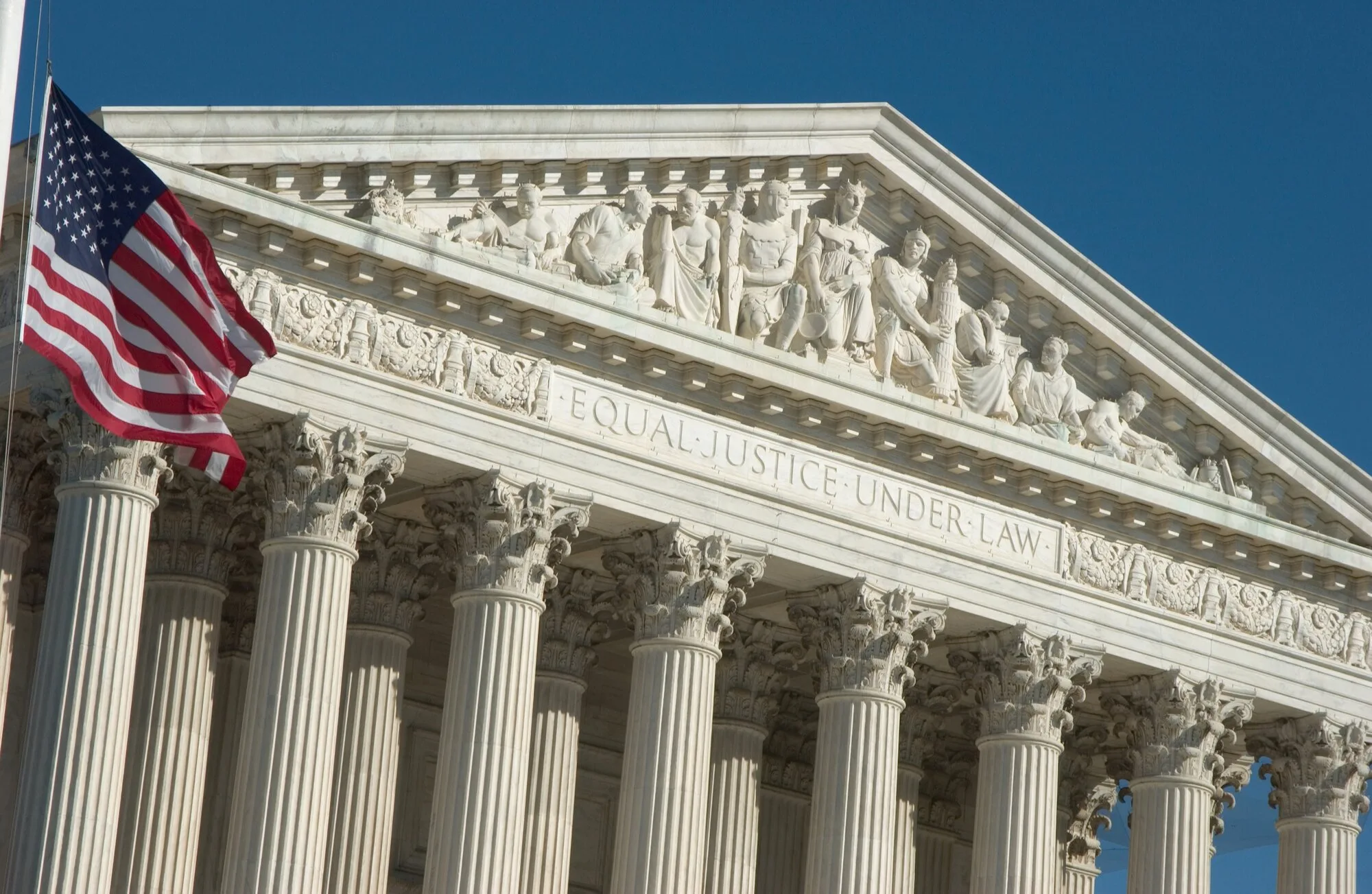
The Supreme Court agreed Monday to hear Jouppi v. Alaska, a case that began 14 years ago, bounced through Alaska's courts twice and now presents the nation's highest court with one of the most striking asset forfeiture questions in recent memory. Can a state seize a $95,000 airplane because a passenger on board brought a six-pack of Budweiser into a village where alcohol is prohibited?
The pilot is Kenneth Jouppi, now 82, who in 2012 flew a passenger from Fairbanks to Beaver, Alaska, a remote village with dry laws making it a crime to transport alcohol there. State troopers searched his plane before takeoff, found the beer the passenger was carrying for her husband and charged Jouppi with a misdemeanor.
He was convicted. Alaska then sought to forfeit his 1969 Cessna under criminal forfeiture statutes on the theory that it was an instrument of the crime.
Jouppi says he knew about the dry laws but considered it invasive and demeaning to search his passenger's bags. No law required him to do so.
The trial court initially ruled the forfeiture excessive. The Alaska Supreme Court reversed and upheld the seizure.
The U.S. Supreme Court took the case unanimously, without explanation. Jouppi's attorneys at the Institute for Justice argue the confiscation violates the Eighth Amendment's Excessive Fines Clause, that losing a $95,000 plane is a constitutionally disproportionate punishment for transporting a misdemeanor quantity of alcohol.
The case could have broad implications for civil and criminal asset forfeiture laws nationwide. Oral arguments are expected this fall.
"I'm in my 80s now, and I've been fighting this for over a decade because I see it as my duty to ensure that the Bill of Rights actually means something," Jouppi said.