Interstellar Space Just Produced Its First Confirmed Sugar
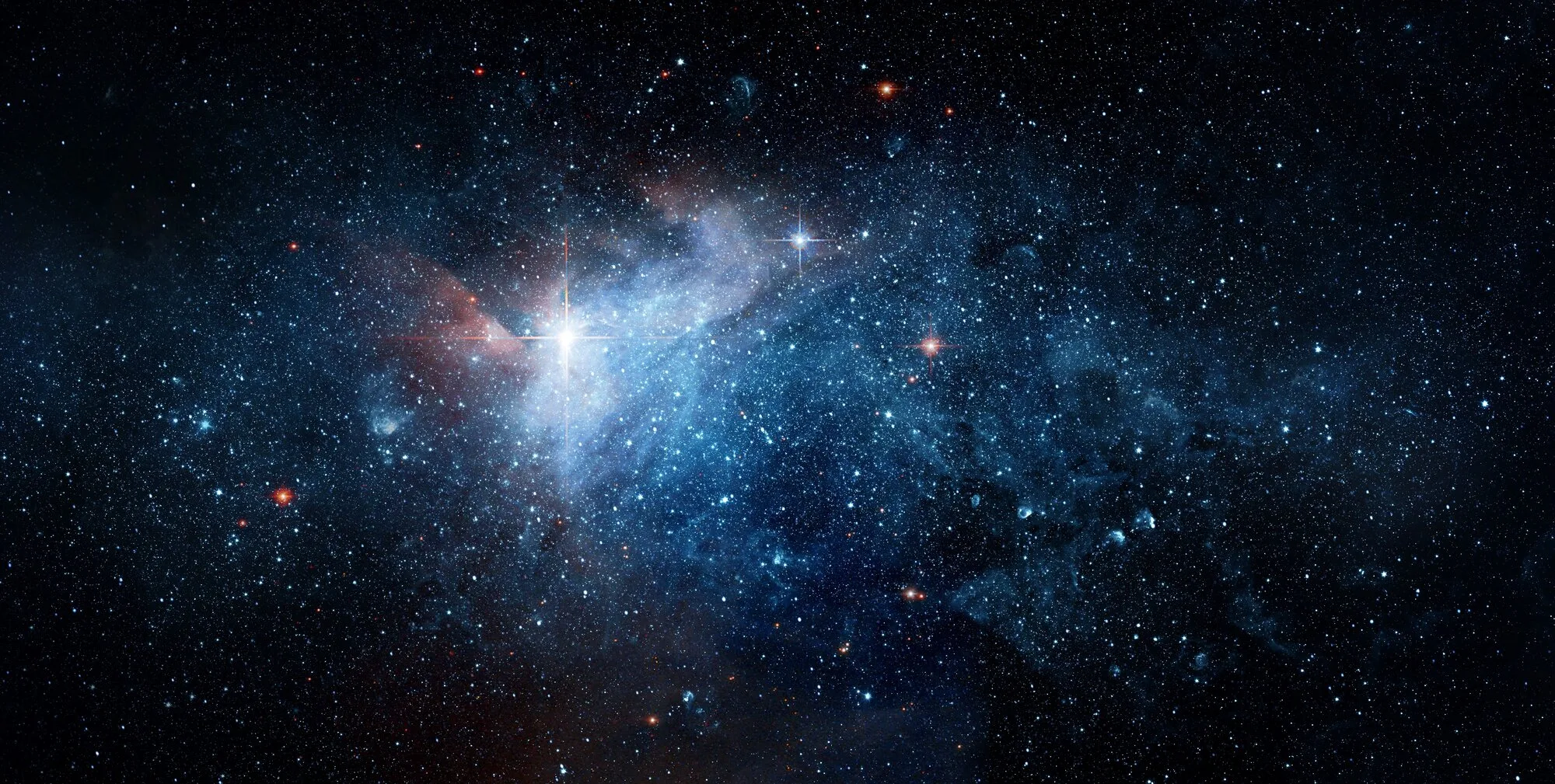
Astronomers have detected erythrulose, a four-carbon sugar found in raspberries, kiwis and other red fruits, floating in a giant molecular cloud of gas and dust near the center of our galaxy, approximately 26,745 light-years from Earth.
The discovery, published Monday in Nature Astronomy, marks the first time a true sugar has been confirmed in interstellar space and raises new questions about how the building blocks of life might form long before any planet exists to host it.
The detection was made using two radio telescopes, one at the Yebes Observatory north of Madrid and the other at the IRAM facility in the Sierra Nevada in southern Spain, both trained on a molecular cloud called G+0.693-0.027.
Lead author Izaskun Jiménez-Serra of the Center for Astrobiology in Madrid called the finding unexpected because prevailing astrochemistry theory holds that interstellar molecules grow through sequential addition of carbon atoms.
Erythrulose does not follow that pattern, it appears to have formed through a different chemical pathway that researchers are still working to understand.
Sugars matter to the origin of life because they are both energy storage molecules and structural components of DNA and RNA.
Finding one in interstellar space does not prove life exists elsewhere, it means the chemistry that could eventually lead to life may begin far earlier, in the cold molecular clouds where stars and planets are still forming.
Scientists have previously detected simple sugars related to this class of molecule in meteorites. Erythrulose in a galactic molecular cloud is a different order of finding.